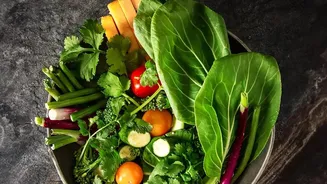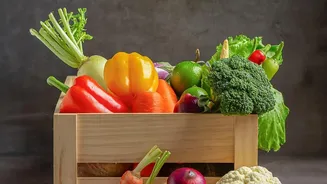







Why Completely Avoiding Vegetables is a Mistake
When news of a foodborne illness breaks, the instinct to avoid certain foods is understandable. However, implementing a blanket ban on all vegetables in your household is often a counterproductive overreaction. Vegetables are packed with essential vitamins,
minerals, and fibre that are crucial for a strong immune system, good digestion, and overall health. Skipping them can lead to nutritional deficiencies and increase the long-term risk of chronic diseases like heart disease and diabetes. Studies have shown that inadequate fruit and vegetable consumption is linked to millions of deaths worldwide. Furthermore, such bans are often not based on sound science and can create unnecessary fear, while a more targeted and informed approach to food safety offers better protection without sacrificing nutrition.
Start with Smart Selection at the Market
Your first line of defence against contaminants begins at the point of purchase. Whether you are at a local market or a supermarket, be a discerning shopper. Look for produce that is firm, fresh, and free from visible signs of spoilage. Avoid vegetables that are wilted, slimy, mouldy, or have bruises and cuts, as these are signs of decay and can be entry points for bacteria. This is especially important during the monsoon season, when high humidity can accelerate spoilage. Whenever possible, opt for whole vegetables over pre-cut varieties that have been sitting out, as the increased surface area and handling raise the risk of contamination. Taking a moment to inspect your produce carefully can significantly reduce the risk you bring into your home.
The Art of Washing: A Step-by-Step Guide
Proper washing is arguably the most critical step in ensuring your vegetables are safe to eat. The Food Safety and Standards Authority of India (FSSAI) provides clear guidelines. Start by washing your own hands with soap for at least 20 seconds. Then, wash the vegetables thoroughly under clean, running potable water. For produce with firm skins like potatoes and carrots, using a clean vegetable brush to scrub the surface is recommended. Leafy greens such as spinach and coriander require extra attention; separate the leaves and rinse them individually to remove trapped dirt and microbes. While some sources suggest soaking in salt or vinegar solutions to help remove residues and insects, official bodies like FSSAI advise against using soap, detergents, or non-food-grade disinfectants on your produce. A thorough rinse with clean water is the most important and effective method.
Proper Storage to Maintain Freshness and Safety
Once your vegetables are clean, storing them correctly is key to preventing cross-contamination and spoilage. A common mistake is packing them away while still wet. Excess moisture creates a damp environment that encourages bacterial and fungal growth. Gently pat vegetables dry with a clean cloth or paper towel before storage. FSSAI recommends storing leafy greens in the refrigerator, wrapped in a paper towel to absorb excess moisture, and using breathable or perforated bags instead of airtight plastic ones to allow for air circulation. Keep raw vegetables separate from cooked foods inside your refrigerator to prevent cross-contamination. Avoid overstuffing the fridge, as good airflow is necessary to maintain freshness. By following these storage rules, you preserve both the safety and nutritional value of your produce.
Cooking: The Final Safety Net
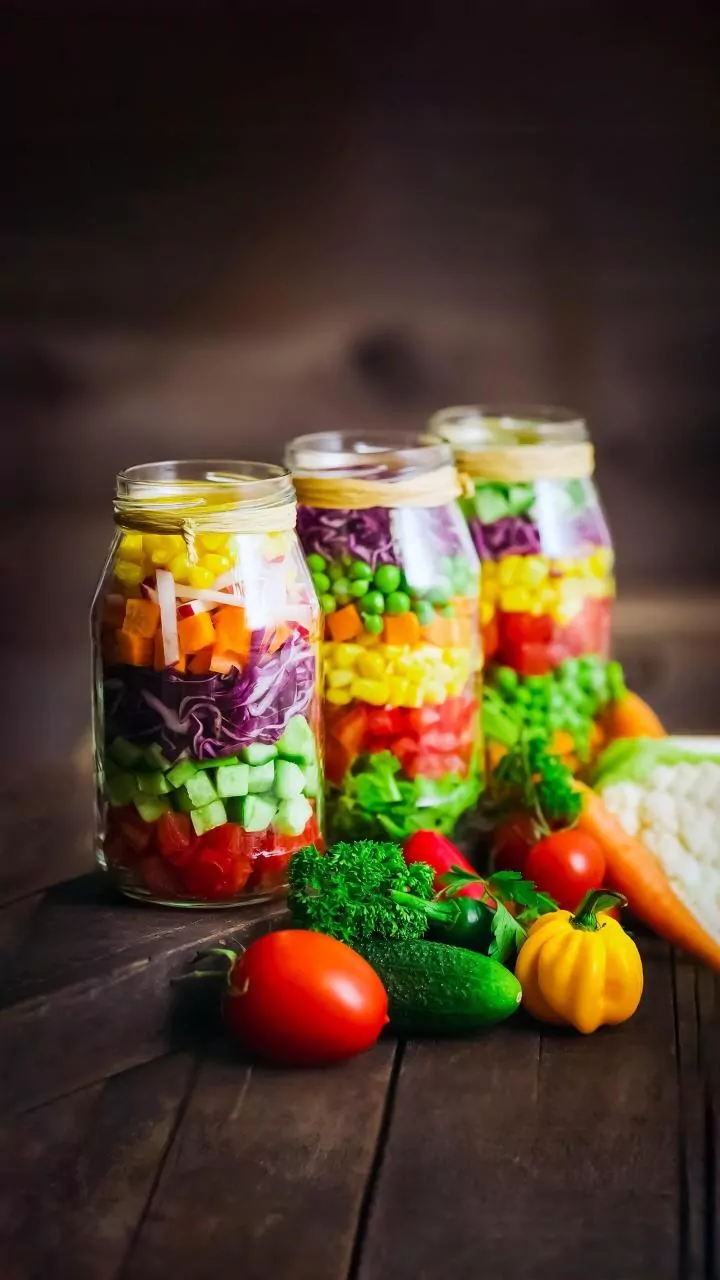
While washing and proper handling remove a significant amount of contaminants, cooking provides a final, powerful layer of protection. Heat is highly effective at killing harmful microorganisms like bacteria and viruses that may have survived the washing process. This is particularly important during high-risk periods like the monsoon or for individuals with compromised immune systems. Steaming or cooking vegetables thoroughly is a great way to ensure they are safe to consume. If you enjoy raw salads, be extra diligent with your washing routine and consider sourcing your produce from trusted vendors. By combining smart shopping, meticulous washing, proper storage, and thorough cooking, you can confidently enjoy the immense health benefits of vegetables year-round without worry.