




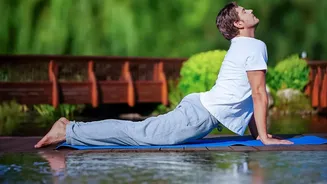
The Gentle Embrace of Aqua Yoga
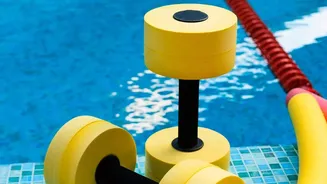
Aqua yoga is exactly what it sounds like: practicing traditional yoga poses in the water, typically a shallow, warm pool. The practice leverages the natural properties of water—buoyancy and resistance—to create a unique fitness experience. The water's
buoyancy supports your body weight, which significantly reduces the impact and stress on joints like your knees, hips, and spine. This makes it an exceptionally gentle yet effective workout. It's particularly beneficial for individuals with arthritis, joint pain, limited mobility, or those recovering from injury. The warmth of the water helps relax muscles, making stretches feel deeper and more accessible, while the water itself provides gentle, consistent resistance that helps build strength without strain.
The Dynamic Challenge of Paddleboard Yoga
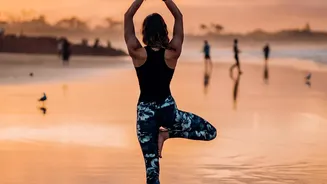
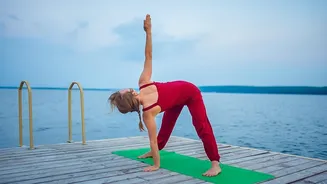
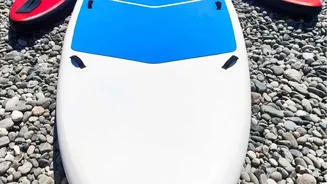
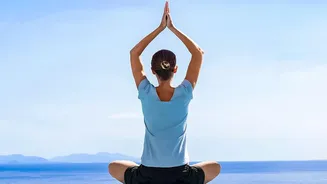
Paddleboard yoga, often called SUP yoga, takes the practice to open water on a stand-up paddleboard. Instead of a stable mat in a studio, your platform is a board floating on a lake, calm sea, or bay. This introduces an element of instability that completely transforms the practice. Every pose, from a simple downward dog to a more complex warrior pose, requires constant engagement of your core muscles to maintain balance. This constant micro-adjustment makes SUP yoga an incredible workout for building core strength, enhancing stability, and sharpening focus. You are not just holding a pose; you are actively balancing against the subtle movements of the water, which recruits smaller stabilizing muscles often overlooked in land-based exercises.
Support vs. Stability: The Core Difference
The fundamental difference between the two practices lies in their relationship with stability. Aqua yoga is defined by support. The water offloads your weight, making you feel lighter and reducing gravitational pull, which allows for a greater range of motion with less pain. This environment is nurturing and therapeutic, ideal for those who need to protect their joints. In contrast, SUP yoga is defined by its test of stability. The unstable surface of the board forces you to find your centre of gravity and actively maintain it. Your core becomes the anchor for every movement. While beginners might spend some time falling into the water, this challenge is precisely what improves proprioception—your body's awareness of its position in space.
Accessibility and Environment
When it comes to accessibility, aqua yoga is the clear winner for beginners and those with physical limitations. The supportive nature of the pool makes it welcoming for all ages and fitness levels, including seniors and pregnant women. Classes are typically held in controlled environments like community pools. SUP yoga, while adaptable for beginners with wider, more stable boards, does have a steeper learning curve. It requires a degree of confidence on the water and access to a suitable, calm body of water. The reward, however, is a deep connection with nature—practicing under the open sky, surrounded by the sights and sounds of the outdoors, adds a meditative and stress-relieving dimension to the workout.
Which Water Workout is Right for You?
Choosing between aqua yoga and SUP yoga depends entirely on your personal fitness goals. Choose Aqua Yoga if: - You have joint pain, arthritis, or are recovering from an injury. - You are new to yoga or exercise and want a gentle, low-impact introduction. - Your primary goal is to improve flexibility and range of motion in a supportive environment. - You prefer the controlled setting of a swimming pool. Choose Paddleboard Yoga if: - You want a challenging, full-body workout that heavily targets your core. - You want to significantly improve your balance, coordination, and focus. - You are comfortable in open water and enjoy the idea of connecting with nature during your workout. - You have some basic fitness and are looking for a fun new challenge.