

The Modern Protein Puzzle
Walk into any gym or browse a health-focused social media feed, and you'll be bombarded with messages about protein. It's the macronutrient of the moment, credited with everything from building muscle to aiding weight loss. This has created a wave of 'protein
anxiety,' leading many to believe that their regular meals are deficient and that expensive, often imported, protein bars and shakes are a necessity. For vegetarians, this pressure can be even more intense, with the long-standing myth that plant-based diets lack adequate protein. Yet, this modern wellness trend overlooks a powerful, time-tested solution that has been a cornerstone of Indian households for centuries: our humble pulses.
The Unsung Heroes: Dals and Legumes
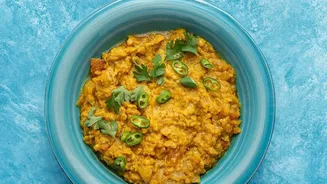
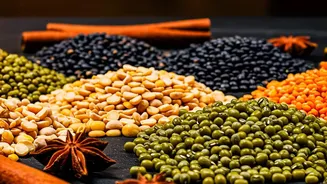
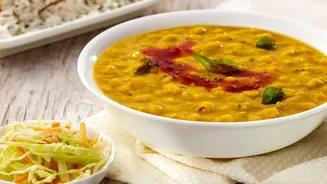
Long before 'plant-based protein' became a buzzword, Indian cuisine was mastering it. Dals (lentils, beans, and peas) are nutritional powerhouses. A single 100-gram serving of uncooked dal, such as moong, masoor, or chana, contains a remarkable 22 to 25 grams of protein. Even after cooking, when they absorb water, a standard bowl (or katori) of dal can provide between 8 to 12 grams of protein. For example, a serving of cooked chana dal or rajma delivers around 9 to 10 grams of protein. Beyond protein, these legumes are rich in dietary fibre, which aids digestion and promotes satiety, and are packed with essential minerals like iron, folate, and magnesium. Their low glycemic index also helps in managing blood sugar levels, making them a fantastic choice for overall health.
The Genius of Food Pairing
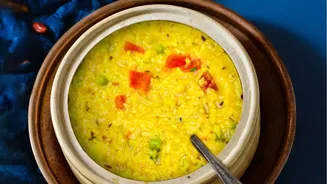
The true genius of traditional Indian meals lies in their inherent understanding of nutritional synergy. Most plant proteins are considered 'incomplete' because they might be low in one or more of the nine essential amino acids our bodies can't produce. Pulses, for instance, are typically low in the amino acid methionine. Grains like rice and wheat, on the other hand, are low in an amino acid called lysine but contain methionine. This is where culinary wisdom shines. The classic combination of dal and rice (dal-chawal) or dal and roti is not just a source of comfort; it's a perfect example of protein complementation. When eaten together, the grain and the pulse fill each other's amino acid gaps, creating a 'complete' protein profile that is just as effective as that from animal sources. This principle is built into countless regional dishes, from South India’s idli and dosa (made from a fermented batter of rice and urad dal) to North India’s beloved rajma-chawal.
Beyond the Everyday Dal
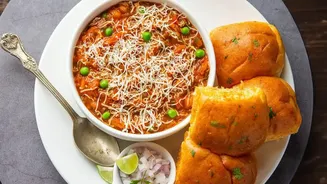
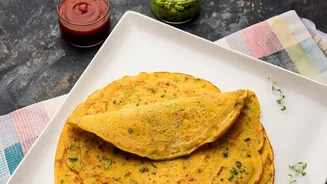
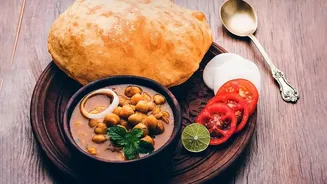
The world of Indian pulses extends far beyond a simple dal tadka. Think of hearty chana masala, where chickpeas take centre stage, or the rich, slow-cooked dal makhani. Breakfasts can be powered by besan chilla (a savoury pancake made from gram flour), which can offer up to 15 grams of protein per serving, or moong dal dosa. Sprouted pulses, used in salads and curries, are another excellent way to boost protein intake. Even snacks can be protein-rich, with options like roasted chana or chaat made from boiled beans and sprouts. These dishes are not just delicious; they are a testament to the versatility of legumes and a practical way to distribute protein intake throughout the day, which improves absorption and utilization by the body.