



Why Your Container Choice Is Crucial
It might be tempting to repurpose that cute jam jar or vintage teacup, but not all containers are created equal. The primary danger is thermal shock. Glass that isn't designed to handle sustained, direct heat can crack or even shatter when a candle burns
down to its final centimetres. This happens because the concentrated heat from the flame creates a significant temperature difference between the hot inner surface and the cooler outer surface of the glass. A sudden fracture can spill hot wax and a live flame, creating a serious fire hazard. This is why simply picking a pretty jar isn’t enough; you must ensure it’s built to withstand the heat for hours at a time.
What to Look for in a Candle Jar
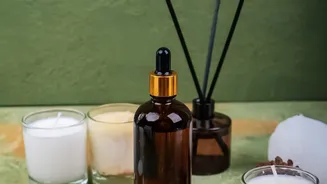
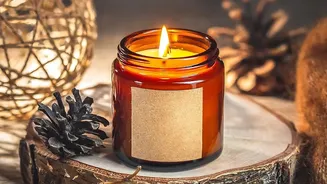
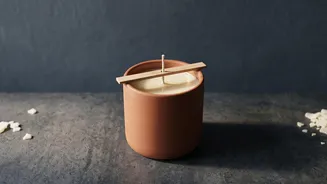
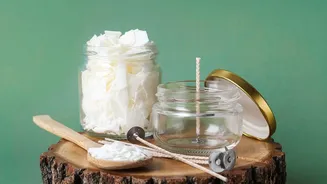
The safest bet is to purchase jars sold specifically for candle making from a reputable supplier. These are manufactured and tested to handle the required heat. If you're evaluating other options, look for specific characteristics. The glass should be thick, especially at the base, to help dissipate heat. Containers made from borosilicate glass (like high-end kitchenware) or tempered glass are excellent choices due to their high resistance to thermal shock. Many canning jars are also suitable as they are designed to withstand high temperatures during the canning process. For ceramics, ensure they are fully glazed on the interior and marked as oven or microwave-safe, which indicates they have been fired at high temperatures and can handle the heat. The container should also be non-porous and non-flammable.
Containers You Should Absolutely Avoid
A list of 'don'ts' is just as important as a list of 'dos'. Steer clear of thin, fragile glass like wine glasses or delicate decorative vases. Any jar with existing cracks, chips, or even air bubbles in the glass should be rejected, as these are weak points that are likely to fail under heat stress. Avoid containers made of flammable materials like wood or plastic, for obvious reasons. Also, be wary of repurposed food jars that aren't specifically rated for heat, as they may have microscopic weaknesses. Finally, avoid containers with irregular shapes, such as those that are narrow at the top and wide at the bottom, as this can lead to uneven burning and excessive heat buildup in the lower portion.
The Alternative: Using Candle Moulds
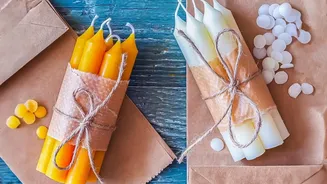
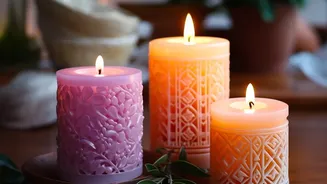
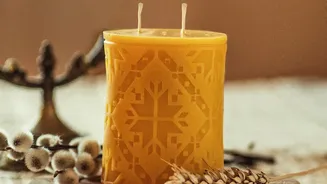
If you want to move beyond container candles, moulds are your answer. These are used to create freestanding pillar candles, votives, and other decorative shapes. The key difference is that the candle is removed from the mould once it has set, so the mould itself is not exposed to a flame. Moulds come in various materials. Silicone moulds are flexible, durable, and excellent for creating intricate designs. Polycarbonate and other plastic moulds are lightweight and popular for beginners, though they may be less durable over time. Metal moulds are very durable and are often used for classic shapes like pillars and tapers. When using a mould, the focus shifts from the container's heat resistance to ensuring you have a stable, heat-resistant surface to place the finished candle on when you burn it.
Essential Candle Making Safety Tips
Choosing the right container is paramount, but it's part of a broader safety-first mindset. Always use a thermometer to monitor your wax temperature; overheated wax can be a fire risk. Never leave melting wax unattended on a heat source. When making the candle, ensure your wick is the correct size for your container's diameter to prevent the flame from becoming too large and overheating the jar. Keep your work area clear and protect surfaces. When you burn your finished creation, always place it on a stable, heat-resistant surface, away from drafts, pets, children, and flammable items like curtains. And never leave a burning candle unattended.