







From Evening Snack to Morning Staple
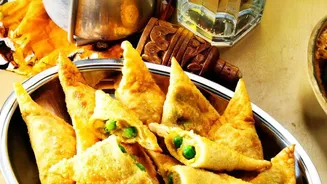
For generations, the samosa has been the undisputed king of Indian snacks. Traditionally, this deep-fried pastry, stuffed with spiced potatoes and peas, was an evening indulgence. It was the treat you shared with colleagues after work or enjoyed with family
on a lazy Sunday afternoon. But in the fast-paced landscape of modern Indian urban centres, the rules are changing. Walk through the busy streets of cities like Delhi or Mumbai during the morning rush, and you will see countless commuters grabbing a hot samosa for their first meal of the day. This shift isn't a planned culinary movement; it's an organic change driven by the realities of city life.
The Ultimate Convenience Food
The primary driver behind the samosa’s rise as a breakfast food is pure convenience. Urban work life often starts early, leaving little time for a traditional, home-cooked breakfast. Studies on urban eating habits show that a significant number of city dwellers skip or have a nutritionally inadequate breakfast due to time constraints. The samosa offers a perfect solution. It is portable, requires no cutlery, and is readily available from countless street vendors and sweet shops that now open early to cater to the morning crowd. For someone rushing to catch a local train or navigating dense traffic, a samosa is a quick, filling, and affordable way to fuel the day ahead. It’s a complete, handheld meal that can be eaten while walking or waiting.
A Journey Through History
While its modern role is evolving, the samosa itself is a well-travelled immigrant. Its origins trace back to the Middle East, where it was known as 'sanbusaj' in the 10th century. It journeyed to India around the 13th or 14th century, brought by traders and chefs who served in the courts of the Delhi Sultanate. Initially, it was a royal delicacy filled with minced meat, nuts, and spices. Over centuries, it was embraced by the masses and adapted to local tastes, with the vegetarian potato filling becoming the most iconic version after potatoes were introduced to India by European traders. This history of adaptation is a key part of its identity, making its latest transformation into a breakfast food just another chapter in its long, evolving story.
More Than Just Potato and Peas
The breakfast samosa isn't just the classic aloo version. To keep things interesting, vendors are offering a growing variety of fillings. You might find paneer samosas, lentil-stuffed samosas, or even sweet and savoury options. In some cities, you can find everything from chowmein and pasta-filled samosas to fusion flavours like cheese and corn. These innovations cater to a younger, more experimental generation while still providing the comforting, familiar format of the crispy pastry. This versatility ensures that the samosa remains relevant and exciting, even for those who eat it regularly.
A Symbol of Urban Adaptation
The transformation of the samosa from an evening snack to a breakfast staple is more than just a food trend; it's a reflection of how Indian cities are evolving. It speaks to the hustle of urban life, where convenience often dictates choices. It highlights the ingenuity of street food vendors who adapt their offerings to meet the needs of their customers. And it showcases the enduring appeal of traditional foods, which find new ways to fit into modern lifestyles without losing their essence. The samosa remains a cultural icon, a food that connects people across social classes, whether it's enjoyed in a royal feast or on a busy street corner.