


The Seasonal Spectacle
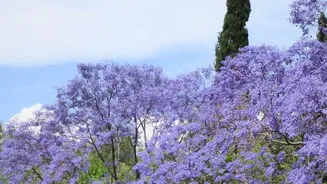
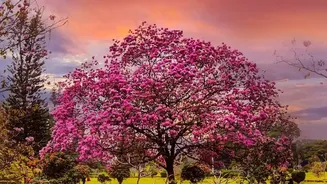
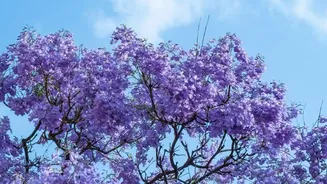
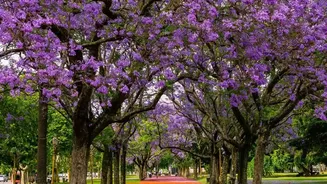
For a few precious weeks, typically from late October through November, parts of Sydney are transformed by the bloom of the jacaranda tree. Though often mistaken for a native, the Jacaranda mimosifolia is actually from South America but has become an iconic
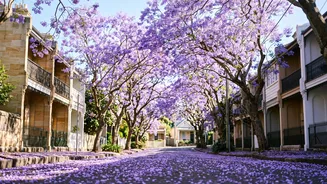
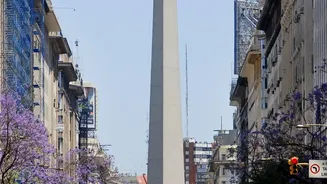
symbol of an Australian spring. Its arrival signals that warmer days are ahead, drawing locals and tourists alike to wander beneath canopies of purple flowers and capture the fleeting beauty. The peak bloom can vary slightly each year depending on the weather, but it reliably creates a city-wide spectacle that has become as anticipated as Japan's cherry blossom season. The fallen petals create a lilac carpet on the footpaths, adding another layer to the magical, photogenic experience.
An Imported Icon
The story of Sydney's jacarandas began in the 19th century. While a popular myth suggests a hospital matron gave seedlings to new mothers, the historical record points to British botanist Allan Cunningham. He first encountered the trees in Rio de Janeiro in 1818 and is believed to have been the first to plant one successfully in Sydney. The first recorded specimen was noted in the Royal Botanic Garden in 1857. However, the trees were difficult to propagate at first, remaining a rare sight for decades. They grew in popularity through the 1930s, becoming a favoured choice for civic beautification projects that shaped the city's suburban landscapes. The town of Grafton, home to Australia's oldest floral festival, the Jacaranda Festival, even gifted mature trees to Sydney, including those that now form the famous Kirribilli tunnel.
Kirribilli's Purple Tunnel
Arguably the most famous and photographed jacaranda spot in Sydney is McDougall Street in the northern suburb of Kirribilli. Here, a row of mature jacaranda trees forms a dense, violet archway over the road, creating a breathtaking tunnel of colour. Its popularity, fuelled by social media, means it draws huge crowds each spring. To manage the influx of visitors vying for the perfect shot, local authorities often implement road closures on weekends during the peak season. For photographers, this means arriving very early in the morning is essential to capture the scene without crowds and in the soft morning light. Afterwards, you can wander down to the harbour for more photo opportunities or visit local cafes celebrating the season.
More Prime Photo Locations
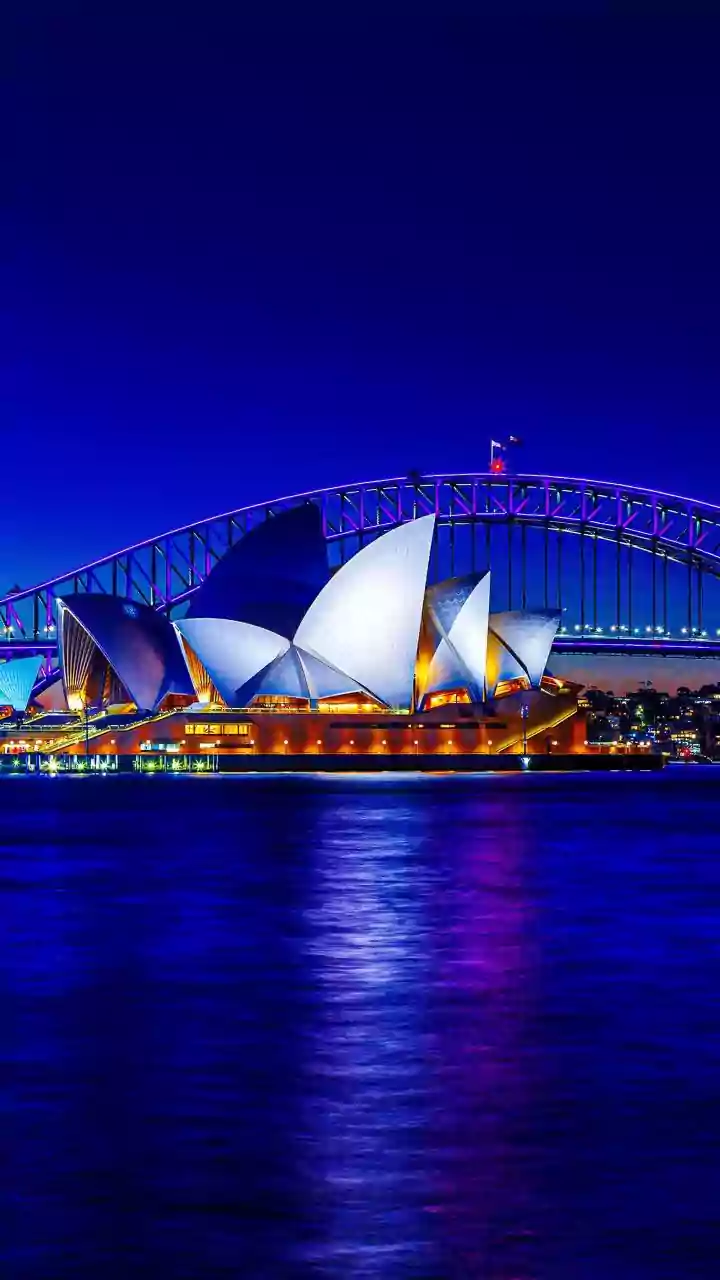
Beyond Kirribilli, Sydney offers a wealth of locations for jacaranda photography. The Royal Botanic Garden boasts some of the oldest jacaranda specimens in Australia, with stunning backdrops of the city skyline and harbour. Circular Quay and The Rocks offer a beautiful contrast, framing the purple blooms against historic sandstone buildings and the iconic Harbour Bridge. In the Eastern Suburbs, Paddington's Oxford Street and the leafy backstreets of Woollahra provide classic streetscape shots. The University of Sydney's main quadrangle is another historic spot, where a famous jacaranda has long been part of university lore, tied to the stress of year-end exams. For those willing to venture further, Lavender Bay, Hunters Hill, and even Parramatta Park offer their own unique and beautiful displays.
Tips for the Perfect Photograph
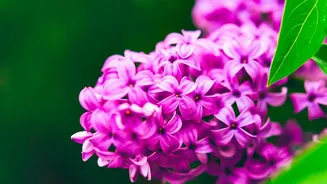
To make your jacaranda photos stand out, timing and technique are everything. Shoot during the 'golden hours'—just after sunrise or before sunset—for soft, warm light that makes the purple flowers pop. Overcast days are also great, as the diffused light provides even exposure and reduces harsh shadows. Experiment with different angles and lenses; use a wide-angle lens to capture the scale of a tree-lined avenue, or a telephoto lens to compress the scene and make the blooms appear denser. Don't just focus on the trees themselves; look for details like individual flowers, fallen petals on the ground, or people interacting with the scene. Using a polarising filter can help deepen the blue of the sky and enrich the purple of the flowers, making your images even more vibrant.