






Understanding the Common Tension Headache
Tension-type headaches are the most common form of head pain among adults. They typically come on slowly and are often described as a constant, dull ache or a feeling of pressure, like a tight band wrapped around your head. The pain is usually mild to
moderate and affects both sides of the head. You might also feel tenderness in your scalp, neck, and shoulder muscles. Unlike migraines, tension headaches usually don't cause nausea, vomiting, or severe sensitivity to light and sound, although some mild sensitivity can occur. They can last anywhere from 30 minutes to a full week, often triggered by stress, fatigue, or muscle strain.
The Soothing Science of Peppermint
The reason peppermint is so often linked with headache relief is its active ingredient: menthol. When applied topically, menthol creates a cooling sensation on the skin. This sensation is believed to help relax muscles and dull pain signals. Some studies have found that applying a peppermint oil solution to the forehead and temples can be surprisingly effective for tension headaches, with some research suggesting its efficacy is comparable to that of paracetamol or acetylsalicylic acid. While peppermint oil shouldn't be ingested, drinking peppermint tea can also contribute to a sense of calm and may help you feel more alert.
How to Make a Peppermint Tea Compress
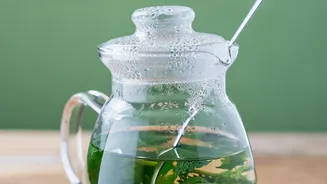
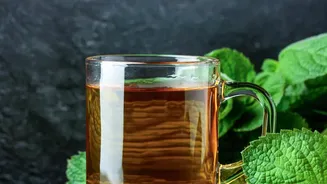
Creating a soothing compress is simple. Start by brewing a strong peppermint tea. Use three to four teabags, or a few tablespoons of dried peppermint leaves, and steep them in hot water for about 10 minutes to create a potent infusion. Allow the tea to cool down until it is a comfortable temperature—it should feel cool and pleasant, not hot. Soak a clean, soft cloth in the tea, wring out the excess liquid, and apply the damp compress to your forehead, temples, or the back of your neck. Lie back and relax, allowing the cooling sensation to work. You can re-soak and reapply the cloth as needed.
The Danger of Self-Diagnosis
While a home remedy is fine for a familiar tension headache, self-diagnosing can be risky. A headache can sometimes be your body's way of signalling a much more serious underlying issue. Mistaking a dangerous condition like a stroke, meningitis, or a brain aneurysm for a simple headache can delay life-saving treatment. Many people are not trained to recognize the subtle links between symptoms or may underestimate the seriousness of what they are feeling. An incorrect self-diagnosis can lead to using the wrong treatments, which at best are ineffective and at worst could allow a serious condition to progress.
Red Flags: When to Seek Immediate Medical Help
Do not attempt to treat a headache at home if it is accompanied by any of these red flag symptoms. Seek emergency care immediately if you experience: A 'thunderclap' headache: This is a severe headache that strikes suddenly and reaches its maximum intensity within seconds to a minute. It is often described as 'the worst headache of your life'. Fever and a stiff neck: This combination, especially with sensitivity to light, can be a sign of meningitis. Neurological symptoms: Weakness, numbness on one side of the body, facial drooping, confusion, slurred speech, or sudden vision changes can indicate a stroke. Headache after an injury: Any head pain that follows a fall, car accident, or blow to the head needs professional evaluation. * A new type of headache after age 50: The sudden onset of a new, severe headache pattern in older adults warrants a doctor's visit to rule out serious conditions.