






How Gentle Movement Helps Your Gut
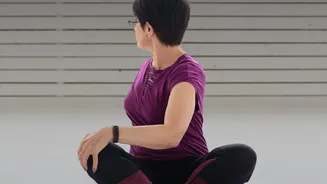
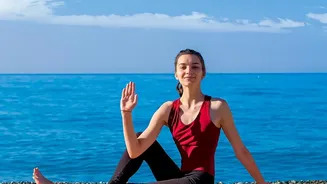
Yoga supports digestion in several key ways. Firstly, it helps activate the parasympathetic nervous system, often called the 'rest and digest' system. When you're stressed, your body is in 'fight or flight' mode, which slows down digestion. The deep breathing
and mindful movement in yoga help shift your body into a relaxed state where it can process food more effectively. Specific poses act like an internal massage for your abdominal organs. Gentle twists and compression can increase blood circulation to the stomach and intestines, stimulate the muscles responsible for moving waste along, and help release trapped gas.
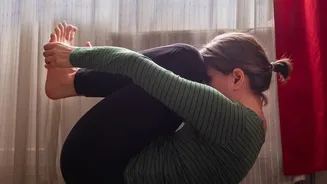
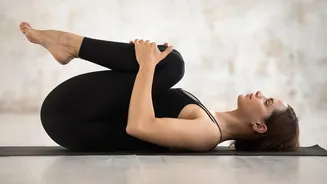
Wind-Relieving Pose (Pawanmuktasana)
As its name suggests, this pose is renowned for its ability to relieve gas and bloating. It applies gentle, targeted pressure to the abdomen, which can help move trapped air through the digestive tract. To practice it, lie on your back with your legs extended. As you exhale, draw both knees toward your chest and wrap your arms around your shins, hugging them gently. You can hold this position for several deep breaths. For a gentle massage effect, try rocking slowly from side to side. This movement helps stimulate both the ascending and descending colon, aiding overall digestive flow.
Supine Spinal Twist (Supta Matsyendrasana)
This restorative twist is excellent for releasing tension in the back while gently compressing the abdominal organs to aid digestion. Start by lying on your back. Hug your right knee into your chest, keeping your left leg extended straight on the floor. Then, guide your right knee across your body to the left side. Extend your right arm out to the side and, if it’s comfortable for your neck, turn your gaze to the right. The key is to keep both shoulders grounded on the mat to get a proper, gentle twist through your torso. This pose calms the nervous system and encourages movement in the digestive tract.
Cat-Cow Pose (Marjaryasana-Bitilasana)
Cat-Cow is a gentle, flowing movement that warms up the spine and massages the abdominal organs. Begin on your hands and knees in a tabletop position, with wrists under shoulders and knees under hips. As you inhale (Cow Pose), let your belly drop towards the mat, lift your chest, and look forward. As you exhale (Cat Pose), round your spine toward the ceiling, tucking your chin to your chest. This continuous movement between the two poses creates a gentle massage for the stomach and intestines, which can help stimulate blood flow and encourage regular bowel movements.
Bridge Pose (Setu Bandhasana)
Bridge Pose helps digestion by creating space and stretching the abdominal muscles while also improving circulation. Lie on your back with your knees bent and feet flat on the floor, hip-width apart and close enough that you can touch your heels with your fingertips. Press into your feet and lift your hips off the floor. This gentle backbend stimulates the abdominal organs without compressing them. It also helps activate the thyroid, which plays a role in metabolism. Hold for a few breaths before slowly rolling your spine back down to the floor.
Beyond the Mat: A Holistic Approach
While these yoga poses are beneficial, they are most effective as part of a broader healthy lifestyle. True digestive wellness requires a holistic approach. Pay attention to your diet by incorporating plenty of fiber from fruits, vegetables, and whole grains, which helps gut microbes flourish. Staying hydrated is crucial for smooth digestion. Furthermore, practice mindful eating by chewing your food thoroughly and avoiding rushed meals. Managing stress through techniques like deep breathing, getting enough sleep, and regular exercise are also essential pillars for maintaining a happy and healthy gut.