
The Challenge of the Dahi Kebab
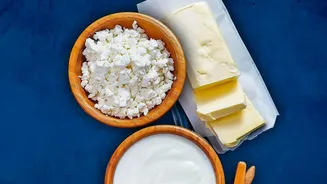
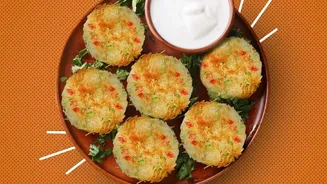
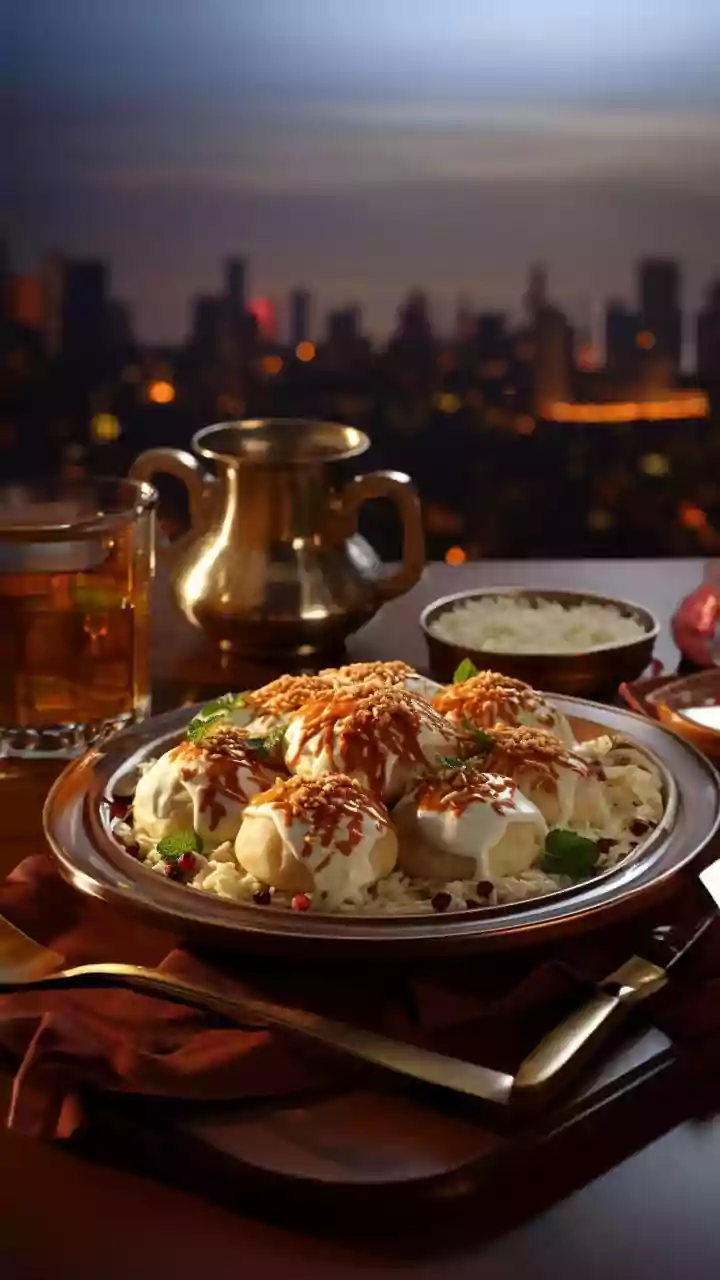
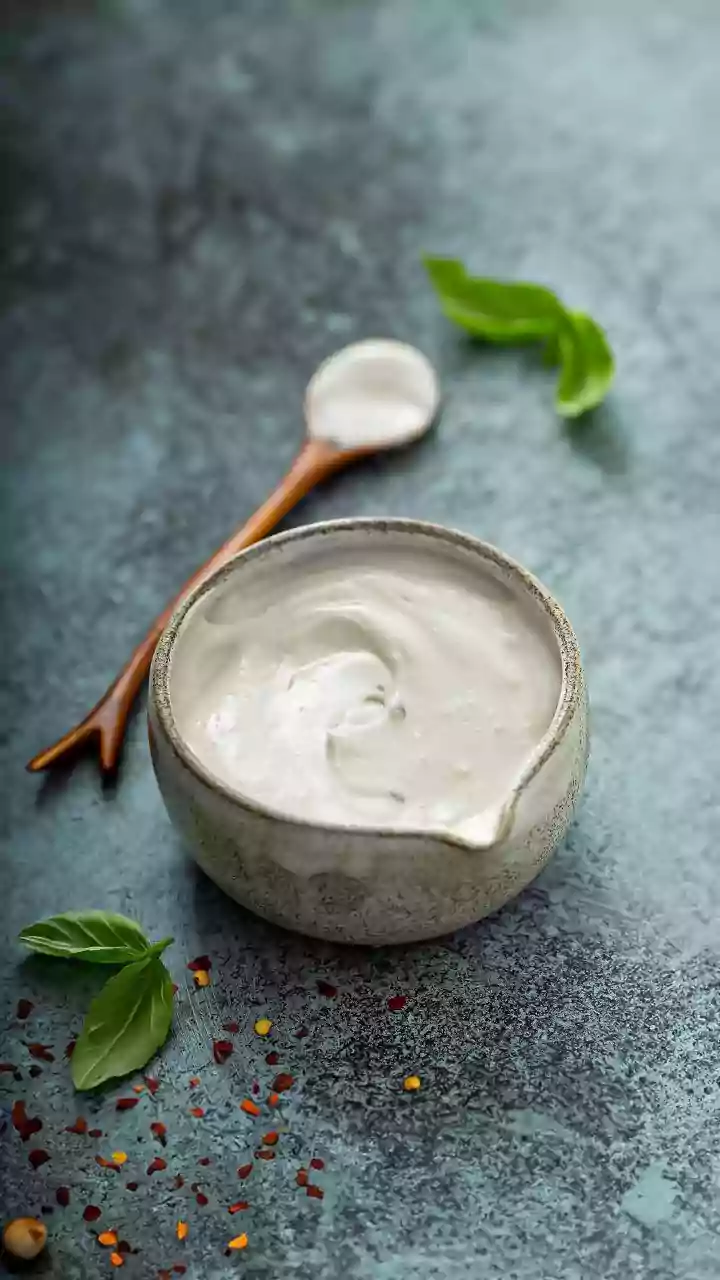
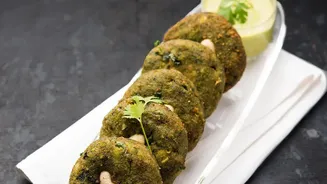
Dahi kebabs, a beloved vegetarian appetiser from North Indian cuisine, are made primarily from hung curd (dahi). This main ingredient is what gives them their signature creamy texture and tangy flavour, but it is also the source of their fragility. The
high moisture content, even in well-strained curd, makes the mixture delicate and prone to breaking. Many home cooks have faced the frustration of carefully shaped patties falling apart the moment they hit the pan or refusing to develop a crisp exterior. Common issues include the kebabs becoming dense, absorbing too much oil, or simply turning into a mushy mess. These problems can make the dish seem daunting, but success often comes down to mastering a few key techniques, starting with the pan.
The Science of the Sizzle
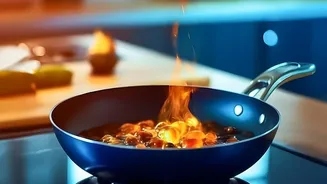
The headline reveals the most crucial secret: your pan must be hot, but not smoking. This isn't just a suggestion; it's a rule governed by food science. When a dahi kebab is placed in a properly heated pan with shimmering oil, the surface proteins and starches undergo the Maillard reaction almost instantly. This process creates a delicious, golden-brown crust that provides structural integrity. A hot pan sears the exterior, preventing the delicate interior from sticking and giving you a firm surface to work with when it is time to flip. More importantly, this quick searing action prevents the kebab, which acts like a sponge, from absorbing excess oil. Frying on a medium to medium-high heat is considered ideal for achieving this perfect balance.
Why Smoking Hot Is Too Hot
If a hot pan is good, a smoking-hot pan must be better, right? Wrong. When oil starts to smoke, it has surpassed its ideal frying temperature. Placing a delicate dahi kebab into smoking oil will cause the exterior, often coated in breadcrumbs or roasted gram flour (besan), to burn before the creamy inside has a chance to warm through. This results in a kebab that is scorched and bitter on the outside but still cool and unset within. High heat can also cause the kebab to crumble when you try to flip it because the crust forms too aggressively and detaches. The key is to find that sweet spot where the oil is hot enough to sizzle and create a crust, but not so hot that it burns the sensitive ingredients and ruins the flavour.
Mastering Your Pan Temperature
So, how do you know when the pan is just right? First, add your ghee or oil to a non-stick or heavy-bottomed pan and place it over a medium flame. Watch the oil closely. You are looking for it to become shimmering and fluid, moving easily across the pan. A common test is to drop a tiny piece of the kebab mixture into the oil; it should sizzle immediately without turning dark brown too quickly. Once the temperature is right, gently place the kebabs into the pan, ensuring you do not overcrowd it, which can lower the oil temperature. Let the kebab cook undisturbed for two to three minutes until a golden crust forms on the base before attempting to flip it gently. This patience is key to letting the crust do its job.
Beyond the Pan: Other Keys to Success
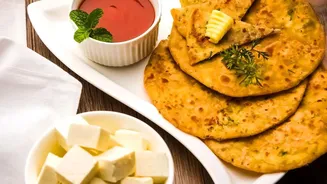
While pan temperature is critical, a few other elements contribute to kebab perfection. The most important is using properly hung curd. The curd should be thick, with as much whey removed as possible, a process that can take 4 to 12 hours. Many recipes recommend using fresh, not sour, curd for the best flavour. A good binding agent is also essential. Roasted gram flour (besan), breadcrumbs, or crumbled paneer all work well to absorb excess moisture and help the kebabs hold their shape. Finally, many chefs recommend chilling the prepared mixture or the shaped patties for at least 30 minutes before frying. This helps the kebabs firm up, making them less likely to break apart when they hit the hot pan.