

An Unexpected Culinary Mashup
In the world of food, fusion is the engine of innovation. Chefs and home cooks are constantly looking for ways to reinvent classic dishes, and Indian sweets are no exception. We’ve seen Rasmalai Tres Leches cakes, Gulab Jamun cheesecakes, and Jalebi cupcakes.
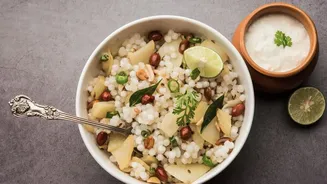
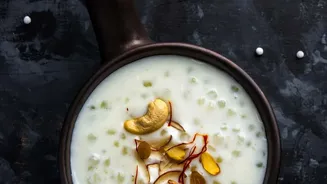
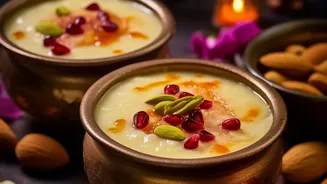
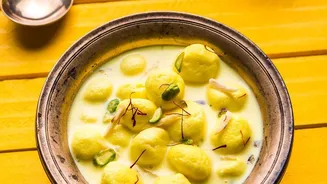
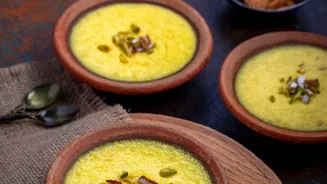
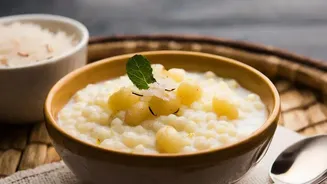
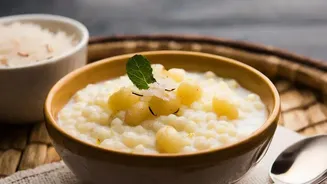
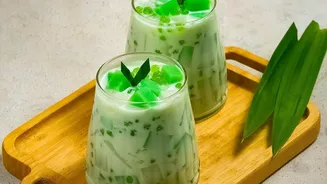
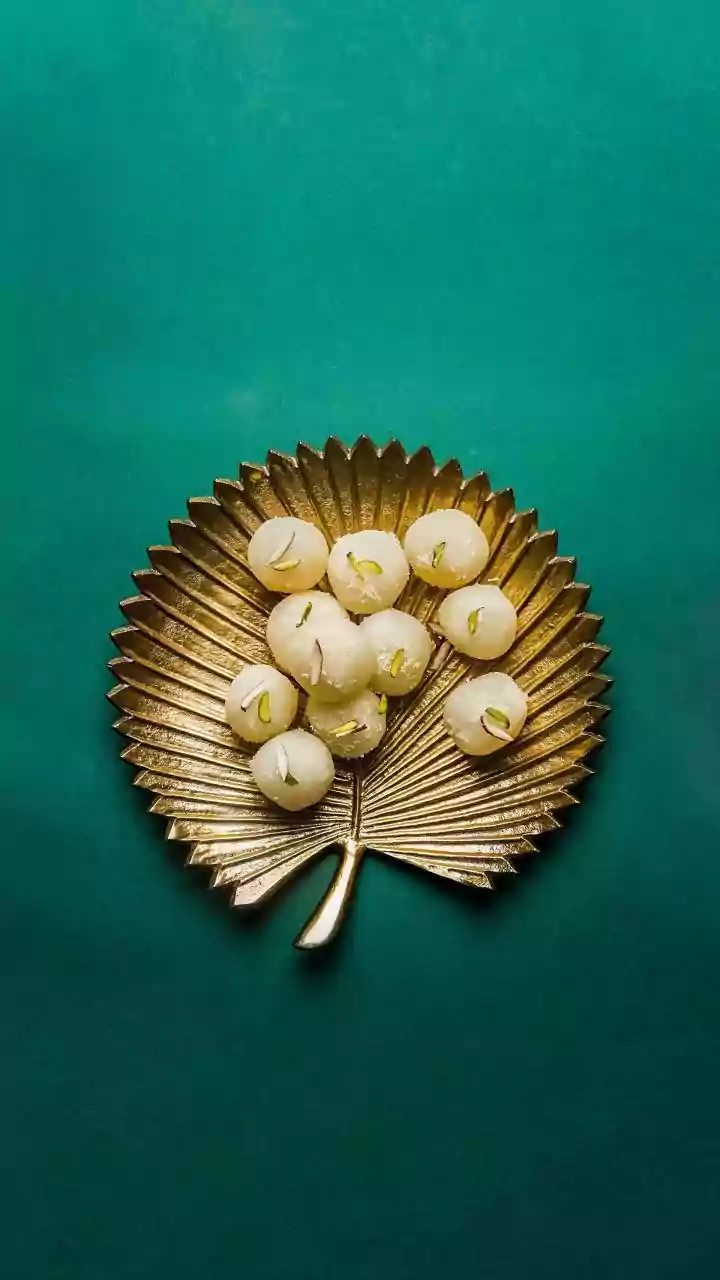
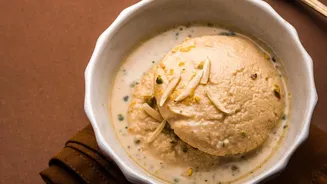
The latest entrant in this creative landscape is the 'Boba Rasmalai' or 'Sago Rasmalai', a dessert that drops the chewy tapioca pearls, famous from bubble tea, into the delicate, milky depths of traditional Rasmalai. This might seem like an odd pairing at first glance. Rasmalai, with its origins in Bengal, is a symbol of celebration in Indian culture, known for its soft, spongy chhena (cheese curd) patties soaked in a fragrant, creamy milk sauce. It's a dessert defined by subtlety and melt-in-the-mouth softness. Boba, on the other hand, is all about a fun, playful, and distinctly chewy texture. The trend appears to be a viral social media creation, a modern twist that brings together two entirely different culinary worlds.
A Playground of Textures
The core of the Rasmalai-tapioca experience lies in texture. Traditional Rasmalai is a symphony of softness; the chhena patties are spongy and porous, designed to soak up the sweetened, cardamom- and saffron-infused milk they swim in. The entire experience is smooth, creamy, and gentle. Introducing tapioca pearls completely disrupts this uniformity, but in a fascinating way. The pearls, made from tapioca starch, have a signature bouncy and chewy quality. When you take a spoonful of Boba Rasmalai, you get the familiar creamy milk and the tender disintegration of the chhena, but this is immediately followed by the springy resistance of the pearls. It creates a surprising contrast in the mouth—a playful dialogue between soft and chewy. For many Asian desserts, texture is not a secondary characteristic but a primary part of the experience, and this fusion leans heavily into that principle. The combination offers a multi-layered mouthfeel that is both familiar and novel, transforming a classic dessert into a more dynamic textural experience.
Why the Flavour Remains Unchanged
While the texture undergoes a radical transformation, the flavour profile of Rasmalai remains largely intact, which is key to the success of this fusion. Tapioca pearls are essentially a blank canvas when it comes to taste. They are made from starch and have very little flavour of their own, making them excellent carriers for the flavours they are soaked in. In bubble tea, they absorb the sweetness of brown sugar syrup; in Rasmalai, they soak up the rich, fragrant milk. The taste remains that of classic Rasmalai: the sweetness of the thickened milk, the aromatic notes of cardamom and saffron, and the nutty garnish of pistachios and almonds. The pearls simply become little bursts of chewiness that release that same beloved flavour. This is crucial because it respects the original dessert's integrity. The innovation doesn't try to reinvent the taste of Rasmalai but instead introduces a new way to experience it, making it an enhancement rather than an alteration.
Gimmick or a Glimpse of the Future?
So, is adding boba to Rasmalai just a fleeting internet trend or a meaningful evolution? The answer likely lies somewhere in between. On one hand, it’s a brilliant example of how global food trends can interact with traditional cuisines to create something fun and accessible, especially for a younger generation accustomed to novel textures like boba. It makes a classic dessert feel modern and exciting. Several restaurants and delivery services have already started offering Rasmalai milk tea with boba, signaling commercial appeal. On the other hand, the sanctity of traditional recipes is something many connoisseurs hold dear. For some, the pure, unadulterated softness of Rasmalai is what makes it special, and any addition is an unwelcome distraction. However, fusion desserts like Rasmalai mousse and Rasmalai trifle have already proven that the flavours of this classic sweet are versatile enough to be adapted into new forms. Ultimately, the boba experiment shows that even the most traditional sweets can find new life and new audiences through creative, if unexpected, pairings.