


A Tale of Two Dumplings
The most compelling evidence for this cross-cultural link lies in two beloved sweets: Japan's mochi and India's modak. Both are essentially sweet, filled dumplings with a starchy, chewy exterior. The classic Indian modak, particularly the steamed version
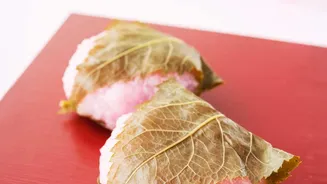
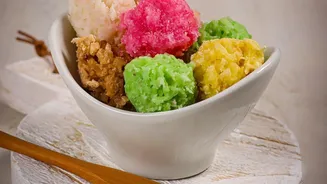
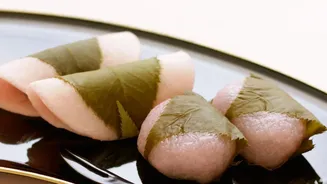
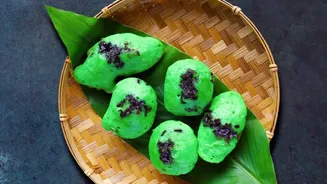
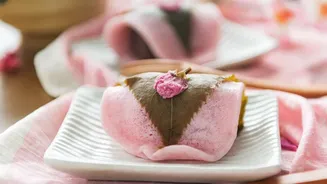
known as ukadiche modak, features an outer shell made from steamed rice flour. This soft, pliable dough is then filled with a sweet mixture of freshly grated coconut and jaggery, often scented with cardamom. The dumpling is meticulously pleated by hand into a distinctive teardrop shape before being steamed. Across Asia, in Japan, we find mochi. Mochi is a broad category of rice cakes made from glutinous rice pounded into a smooth, elastic dough. A very popular variation is daifuku, which is a soft, round mochi filled with a sweet paste, most commonly anko (sweet red bean paste). Like modak, daifuku presents a soft, chewy exterior that gives way to a sweet, flavorful filling. The fundamental concept—a steamed rice flour dough encasing a sweet center—is remarkably parallel.
Shared Ritual and Symbolism
The similarities extend beyond their physical construction. Both mochi and modak hold deep cultural and religious significance, often tied to specific celebrations. In India, modak is famously considered the favorite sweet of the Hindu deity Ganesha, earning him the name Modakapriya, or "one who loves modak". During the festival of Ganesh Chaturthi, it is traditional to offer 21 or 101 modaks as a sacred offering, or prasad. The word 'modak' itself is said to mean a "small part of bliss," symbolizing happiness and the rewards of spiritual devotion. Similarly, mochi is deeply ingrained in Japanese New Year celebrations, known as Oshogatsu. Eating mochi at the start of the year is believed to bring good fortune, prosperity, and longevity. Its sticky texture is also seen as a symbol of strong family bonds, holding everyone together. In both cultures, these sweets are not just desserts; they are integral parts of rituals that celebrate faith, family, and good fortune.
Texture as a Shared Language
The focus on a soft, chewy texture is a key pillar of this connection. In many Western dessert traditions, the primary textural contrasts are between creamy, crispy, and cakey. However, both Japanese and Indian cuisines place a high value on the specific mouthfeel of chewiness. For both mochi and modak, the satisfaction comes from the delightful resistance of the rice dough. This textural appreciation is a sophisticated culinary trait, showing that the experience of eating is about more than just taste. It’s about the entire sensory journey. While the idea of a sweet, chewy dumpling might seem unusual to some, for hundreds of millions across Japan and India, it represents comfort, celebration, and a cherished culinary art form.
Different Flavors, Convergent Forms
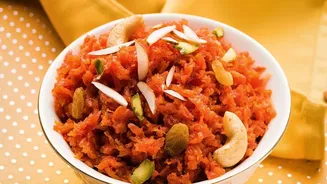
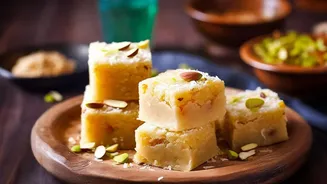
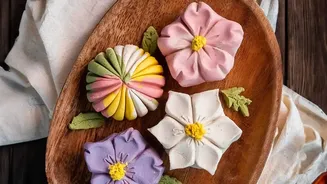
It is important to note that this comparison is one of form, not of direct historical influence or identical flavor profiles. The typical Indian modak bursts with the warmth of jaggery, coconut, and cardamom, while a classic Japanese daifuku offers the more earthy, subtle sweetness of red bean paste. Japanese sweets, or wagashi, are generally plant-based, often dairy-free, and designed to be less sugary to complement green tea. Indian mithai, on the other hand, frequently incorporates rich milk solids (khoya), ghee, and a more pronounced sweetness suited for festive indulgence. The link, therefore, isn't about shared recipes but about a kind of culinary convergent evolution. Two distinct cultures, using their own local ingredients and flavor philosophies, independently arrived at a similar structural solution for a perfect, handful-sized sweet: a soft, steamed outer layer protecting a delicious, sweet filling.