






The Numbers Behind the Comeback
The evidence for this comeback is compelling. Maruti Suzuki, the country's largest carmaker, reported that first-time buyers accounted for a remarkable 54% of its sales between April and August 2026. This is a sharp increase from 42% during the same period
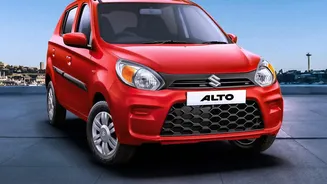
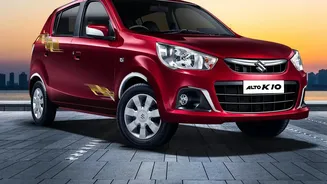
a year earlier, representing one of the most significant jumps since the pandemic. This isn't an isolated event. Other major players like Tata Motors have also seen their share of first-time buyers rise by 6-7% over the past year. The trend is most visible in the sales of smaller, more affordable cars. For instance, Maruti's mini-segment, which includes the Alto and S-Presso, saw sales nearly double in the April-August period.
What's Fuelling This Change?
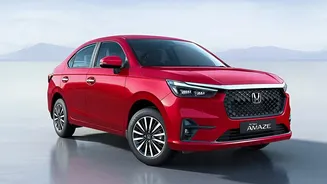
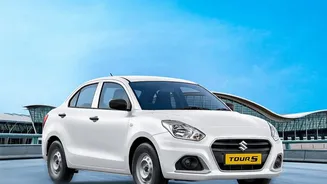
A key catalyst for this resurgence is a major tax policy change. In 2025, the government rationalised the Goods and Services Tax (GST), reducing the rate on smaller cars (less than 4 metres in length) from 28% to 18%. This move significantly improved the affordability of entry-level vehicles, bringing them back within the reach of a larger segment of the population. Rahul Bharti, a senior executive at Maruti Suzuki, noted that "GST 2.0 has enabled the return of the first-time car buyers, broadening the base of the market." This renewed affordability has given fresh momentum to India's journey towards mass motorisation.
Meet the New Wave of Buyers
The profile of the new Indian car buyer is evolving. There's a strong indication that many are upgrading from two-wheelers, a classic sign of growing prosperity and aspiration. Carmakers have anecdotally reported seeing more two-wheeler helmets in their showrooms, pointing to this crucial shift. Furthermore, demand from rural and semi-urban areas has been a significant driver. In June 2026, passenger vehicle registrations in rural markets grew faster than in urban centres. These buyers are often practical, prioritising fuel efficiency and reliability. The comeback of hatchbacks like the WagonR, Swift, and Baleno in top-selling charts reflects this preference, even as the larger SUV craze continues unabated.
Maruti's Enduring Advantage
Maruti Suzuki's leadership in this comeback is no accident. The company has long dominated the small car segment, and its extensive portfolio of affordable, fuel-efficient models like the Alto, S-Presso, and WagonR is perfectly positioned to capture this returning demand. The company's vast dealership and service network, which penetrates deep into smaller towns and rural India, provides an unmatched level of accessibility and trust for first-time owners. The recent GST revision amplified this advantage, making its core products even more attractive and helping the company consolidate its market share, which stood at over 41% in the first quarter of fiscal year 2027.
A Bellwether for the Economy
The return of the first-time car buyer is more than just good news for the auto industry; it's a positive signal for the broader Indian economy. A purchase as significant as a car indicates rising consumer confidence and increased disposable income. The trend suggests that after a period of economic uncertainty and purchase delays, households are feeling more secure about their financial future. This broadening of the market base fuels production, creates jobs, and has a ripple effect across ancillary industries. As Hyundai Motor India's MD & CEO, Tarun Garg, noted, these developments have enhanced affordability and accessibility, enabling more Indian families to realise their dream of vehicle ownership.