

Why the Winter Season is Prime Time
The period from November to April is widely considered the best time to visit Kaziranga. Following the heavy monsoon floods that close the park from May to October, this window offers pleasant and dry weather, with temperatures ranging from a cool 10°C
to a comfortable 25°C. The post-monsoon landscape is vibrant, and as the season progresses, the tall elephant grass is either cut back or burned under controlled conditions by park authorities. This practice not only encourages fresh growth but also significantly improves visibility, making it easier to spot animals, especially from February to April. This is the peak season for wildlife sightings, safaris, and birdwatching, as migratory birds also flock to the park during these cooler months.
Choosing Your Safari: Jeep vs. Elephant
Kaziranga offers two distinct safari experiences: the wide-ranging Jeep safari and the intimate elephant-back safari. The Jeep safari is the most popular choice, covering a larger area of 15-20 km across different zones and lasting for about two hours. This makes it ideal for first-time visitors who want to maximize their chances of seeing a variety of animals and landscapes. In contrast, the elephant safari offers a unique, elevated perspective. Lasting for about an hour, it takes you through dense grasslands where jeeps cannot venture, often resulting in incredibly close encounters with rhinos. These safaris typically run only in the early morning in the Western (Bagori) and Central (Kohora) ranges. For a comprehensive experience, many travellers opt to do both.
Exploring the Four Safari Zones
The park is divided into four main safari zones, each with its unique character. The Central Range (Kohora) is the most popular, offering a classic Kaziranga experience with a high density of rhinos and elephants against a backdrop of grasslands and wetlands. The Western Range (Bagori) also boasts a very high concentration of rhinos and is a favoured spot for elephant safaris. For birdwatchers, the Eastern Range (Agoratoli) is a paradise, known for its migratory waterfowl and wild water buffalo. The Burapahar Range offers a quieter, more rugged experience with hilly terrain and is the best place to spot the Hoolock Gibbon, India's only ape species.
The Wildlife You'll Encounter
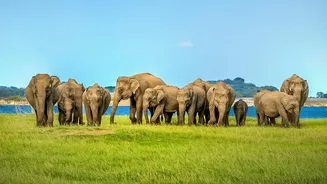
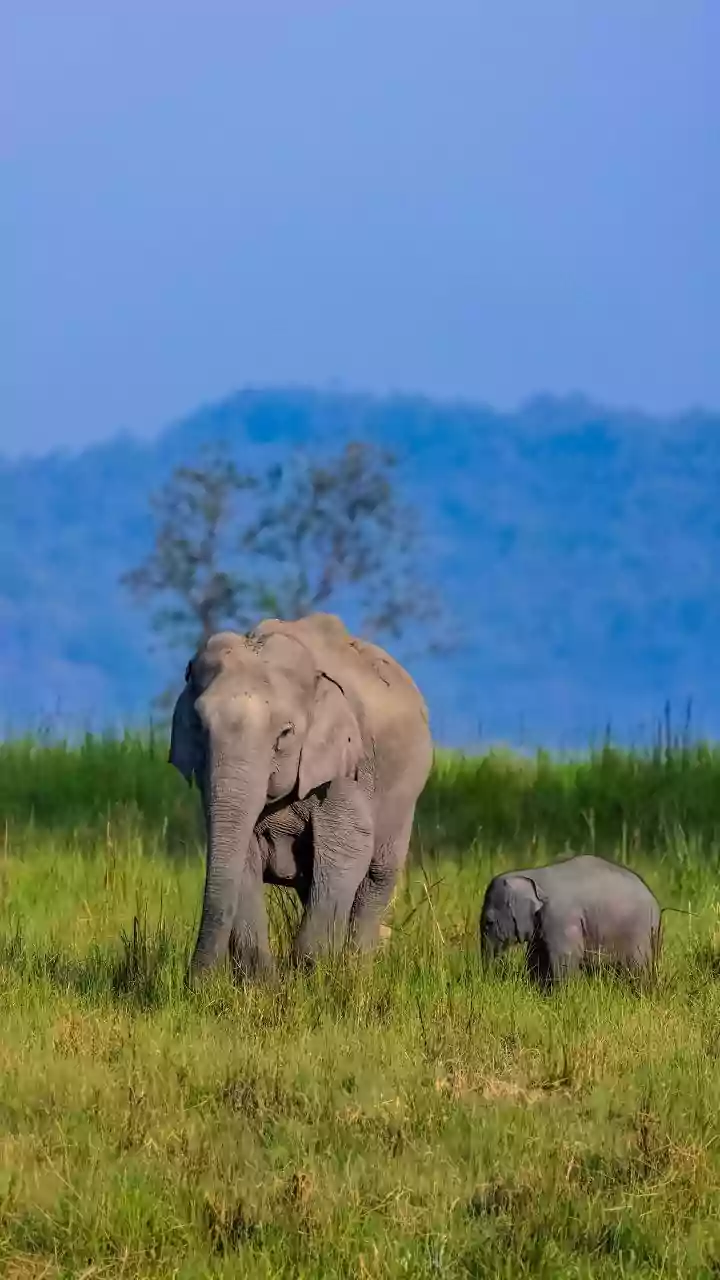
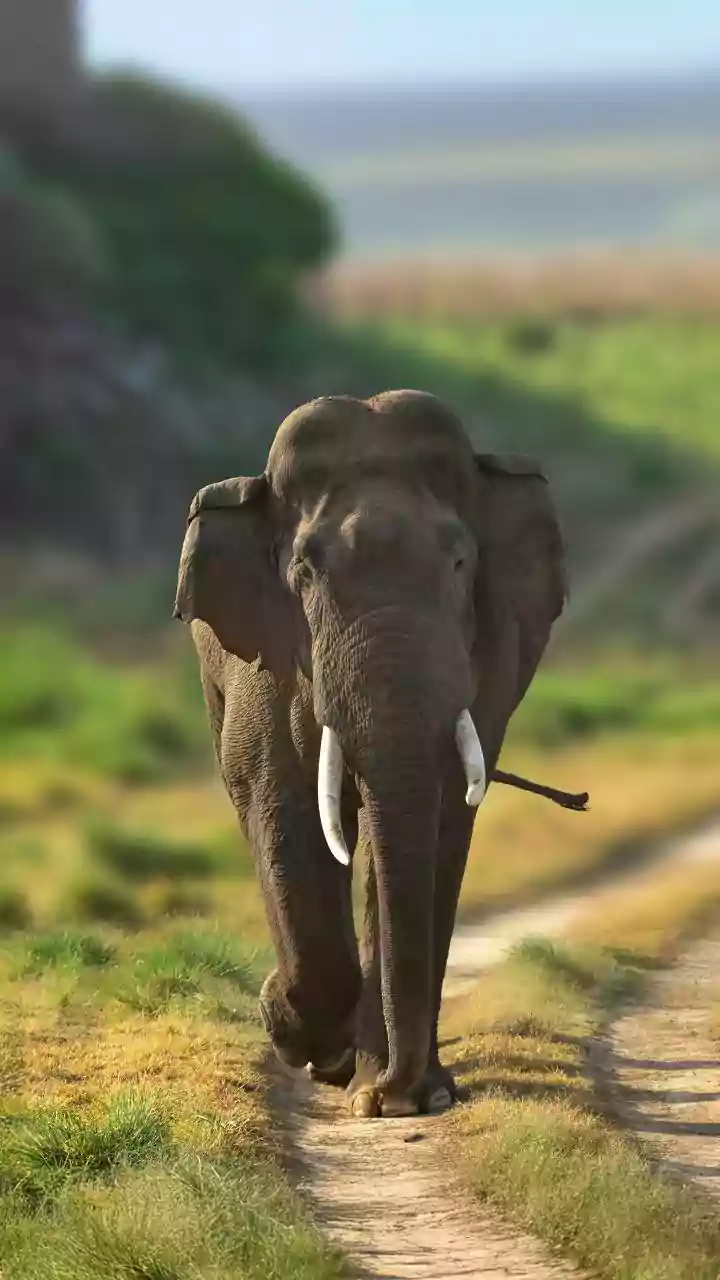
Kaziranga is globally famous for protecting nearly two-thirds of the world's great one-horned rhinoceros population. These magnificent creatures are the park's main attraction and are readily spotted. But the biodiversity doesn't stop there. Kaziranga is also home to one of the highest densities of Bengal tigers in the world, though they remain elusive. You can expect to see large herds of Asian elephants and wild water buffalo, as well as Eastern swamp deer (barasingha). Other residents include sloth bears, hog deer, sambar, otters, and a stunning variety of over 500 resident and migratory bird species.
Planning Your Trip: Booking and Logistics
Given the park's popularity during the peak season from December to March, it's crucial to book your safaris and accommodation well in advance. Jeep safaris for all zones can be booked online through the official Government of Assam's Sewa Setu portal. Elephant safari seats are limited and sell out quickly, so they should be secured as soon as your travel dates are fixed. You will need to provide a valid government-issued photo ID for booking. As for getting there, the nearest airport is Jorhat (97 km), though Guwahati (217 km) offers better connectivity. The closest railway station is Furkating (75 km). From these points, you can hire a taxi or take a bus to reach Kaziranga.