



The Viral Sensation Taking Over Feeds
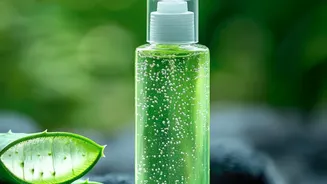
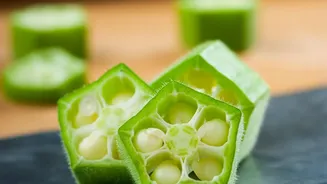
If you've scrolled through social media lately, you may have seen videos of people applying a slimy, translucent goo to their faces, claiming it’s a secret to flawless skin. This is okra water, a simple concoction made by soaking sliced okra pods in water.
The process releases a thick, gel-like substance called mucilage. This 'plant mucin' is being hailed as a natural, budget-friendly alternative to popular skincare ingredients like hyaluronic acid and even snail mucin. The appeal is obvious: it’s an all-natural, single-ingredient remedy that promises intense hydration and a soothing sensation, tapping into the growing desire for simple, clean beauty routines. The visually satisfying, gooey texture makes for compelling content, helping the trend spread rapidly online.
The Claim: A Soothing, Hydrating Miracle
Advocates for okra water rave about its immediate effects. The gel’s high water content and cool temperature can feel incredibly soothing on the skin, temporarily reducing the appearance of redness and irritation. The mucilage itself acts as a humectant, drawing moisture to the surface of the skin and creating a temporary plumping effect, giving a dewy, 'glass skin' look. Okra as a vegetable is rich in antioxidants and vitamins like A and C, which are known to be beneficial for skin health, supporting tissue repair and collagen production. Users report that applying the gel leaves their skin feeling soft, smooth, and intensely hydrated, much like a store-bought hydrating mask. These anecdotal accounts are powerful and are the primary driver of the trend's popularity.
The Reality: A Temporary Fix, Not a Lasting Solution
While okra water feels hydrating, dermatologists and scientists caution that the evidence for any long-term benefits is purely anecdotal. The key issue is molecular size. While okra contains beneficial vitamins and antioxidants, the large polysaccharide molecules in the mucilage are too big to penetrate the skin's barrier effectively. This means they sit on top of the skin, providing surface-level hydration that washes away without delivering nutrients to the deeper layers where they could stimulate collagen or make lasting changes. Scientific research on the topical application of okra water is extremely limited. While the mucilage can form a temporary film that locks in moisture, it doesn't offer the targeted, lasting results of professionally formulated skincare products.
The Risks of This DIY Skincare Trend
Making your own skincare at home, especially with fresh produce, comes with risks. Homemade okra water lacks preservatives, making it a breeding ground for bacteria, mold, and other microbes, even when stored in the fridge. Applying a contaminated batch to your face can lead to breakouts, irritation, or even skin infections. Furthermore, while okra is generally safe, some individuals may have an allergy or sensitivity to it, which could cause contact dermatitis. People prone to kidney stones should also be cautious, as okra contains oxalates. Relying on unproven DIY trends can also mean you neglect using products with proven efficacy, potentially delaying the effective treatment of underlying skin concerns like acne or eczema.
What Dermatologists Recommend Instead
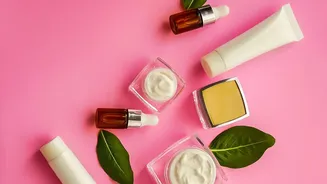
If you're seeking the soothing, hydrating benefits promised by okra water, experts recommend turning to scientifically-backed ingredients that are formulated for stability and skin penetration. For hydration, look for products containing hyaluronic acid, glycerin, and ceramides. These ingredients are proven to attract and lock in moisture, supporting a healthy skin barrier. For soothing properties and antioxidant benefits, ingredients like niacinamide, green tea extract, and Centella asiatica (cica) are excellent, well-researched choices. These ingredients are found in professionally formulated serums, moisturisers, and masks that are tested for safety and efficacy, ensuring you get reliable results without the risks associated with DIY concoctions. As the skincare world trends toward science-backed simplicity, trusting proven formulations is a safer and more effective long-term strategy.