







The Two Faces of Fibre
Dietary fibre is a type of carbohydrate that our bodies can't digest, and it plays a vital role in our health. It's broadly split into two main categories. The first is 'intrinsic' or 'intact' fibre, which is naturally present in plant-based foods like
fruits, vegetables, whole grains, and legumes. The second is 'functional' or 'isolated' fibre. This kind is extracted from its natural source or synthetically made and then added to processed foods to increase their fibre content. While both types are counted under 'Total Fibre' on a nutrition label, their effects on the body can be quite different.
Why Whole Food Fibre Is the Gold Standard
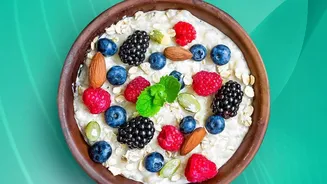
Fibre from whole foods is the undisputed champion for your health. When you eat an apple or a bowl of dal, you're getting more than just fibre. That fibre comes packaged with a host of essential vitamins, minerals, antioxidants, and other plant compounds (phytonutrients). This natural matrix works together to support good health. Intact fibres, both soluble (dissolves in water) and insoluble (does not dissolve), aid digestion, help control blood sugar spikes, can lower cholesterol, and promote a feeling of fullness. Diets rich in naturally occurring fibre are consistently linked to better long-term health outcomes.
Decoding Added Fibres on Labels
When you see 'Now with More Fibre!' on a packet of biscuits or a sweetened yoghurt, it's often due to added isolated fibres. These are ingredients that food manufacturers use to fortify their products. Common names to look for on the ingredients list include inulin (often from chicory root), polydextrose, maltodextrin, guar gum, and pectin. While these functional fibres must be proven to have a physiological health benefit to be classified as fibre, they don't bring along the rich nutritional package of whole foods. Some can help with regularity or act as prebiotics to feed good gut bacteria, but they are often added to products that are otherwise low in nutrients and high in sugar or refined flour.
Does the Source Really Matter?
In short, yes. While added fibres aren't necessarily 'bad' and can help people increase their overall intake, they shouldn't be your primary source. Relying on fibre-fortified processed foods means you miss out on the synergistic benefits of whole foods. For example, the natural fibre in an orange comes with Vitamin C and other antioxidants. A juice with added fibre like maltodextrin might have the grams, but it lacks the complete nutritional profile and won't necessarily help with blood sugar control in the same way. Furthermore, some people find that high amounts of certain isolated fibres can cause gas and bloating. The goal should always be to get the majority of your daily 25-35 grams of fibre from a variety of whole plant foods.
How to Be a Savvy Shopper
Becoming a fibre detective is simpler than it sounds. First, always read the ingredients list, which in India is listed in descending order by weight. Look for whole foods at the top. Words like 'whole wheat,' 'oats,' 'bajra,' 'ragi,' 'lentils,' 'chickpeas,' or the names of fruits and vegetables are your best indicators of natural fibre. Be skeptical of products that lead with refined flour ('maida') and then list an isolated fibre like 'inulin' or 'polydextrose' further down. A high fibre claim on the front of the package means less if the ingredients list is full of sugar and refined starches. A food is considered a 'high source' of fibre if it provides 20% or more of your daily value per serving.