




The artificial intelligence boom is reshaping our world, but this digital revolution has a voracious appetite. The massive data centres that power AI are consuming electricity at a staggering rate, creating a global challenge for energy grids.
An Unprecedented Thirst for Power
The scale
of electricity consumption by data centres, particularly those running AI applications, is hard to overstate. According to the International Energy Agency (IEA), data centres, AI, and cryptocurrencies together accounted for about 2% of global electricity use in 2022. That figure is projected to potentially double by 2026. Projections suggest that global data centre electricity consumption could soar from an estimated 460 terawatt-hours (TWh) in 2022 to over 1,000 TWh by 2026 — an amount roughly equivalent to the entire electricity consumption of Japan. A single query on an advanced generative AI model uses significantly more electricity than a conventional web search. This explosive growth is driven by the need for immense computational power to both train large AI models and run them for users. As industries from finance to healthcare integrate AI, the demand for these energy-intensive data centres is creating immense pressure on electricity grids worldwide, forcing a search for powerful, reliable, and clean energy sources.
Nuclear Power's Renewed Relevance
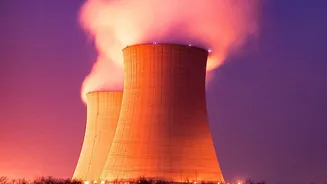
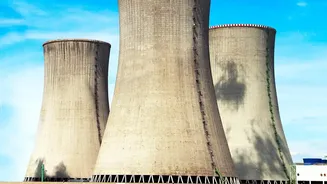
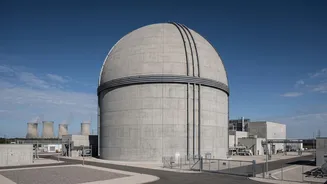
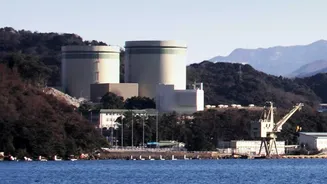
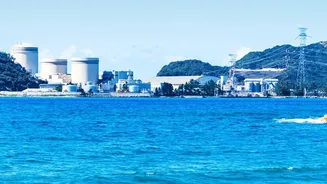
In the quest for a solution, nuclear energy is re-entering the conversation. While traditionally associated with large-scale national power grids, its ability to provide constant, carbon-free power makes it an attractive option for the 24/7 operational needs of mega data centres. Unlike solar and wind, which are intermittent, nuclear reactors provide a stable and predictable baseload power supply. This reliability is critical for AI infrastructure that cannot afford downtime. Recognizing this, major technology companies are now actively exploring advanced nuclear technologies, including small modular reactors (SMRs), to power their operations. These companies are not just looking to secure a stable power supply; they are also driven by ambitious corporate goals to decarbonize their operations. This has led to direct investment and partnerships, such as Microsoft's agreement with Helion, a fusion energy startup backed by OpenAI's Sam Altman, to supply power by 2028.
The IAEA's Projections for a Nuclear Future
The International Atomic Energy Agency (IAEA), the world's central forum for nuclear cooperation, has taken note of these trends. For the first time, its 2026 annual report extended its projections to 2060, painting a picture of significant potential growth. In a recent address, IAEA Director General Rafael Mariano Grossi stated that the use of nuclear power could more than triple by 2060, driven specifically by overall electrification, the needs of AI-powered data centres, and tech companies' demand for reliable, carbon-free energy. In its high-case scenario, the IAEA projects that global nuclear capacity could rise from 377.1 gigawatts (GWe) in 2025 to 1,284 GWe by 2060. A significant portion of this new capacity is expected to come from SMRs, which are smaller, factory-built reactors that may be better suited for powering specific industrial sites or data centre campuses.
Challenges on the Nuclear Path
Despite the promising synergy, pairing nuclear power with data centres is not a simple plug-and-play solution. A major hurdle is the mismatch in timelines. Data centres can be planned and built in just a few years, whereas traditional nuclear power plants take over a decade to construct and license. Furthermore, nuclear energy involves high upfront costs, complex regulatory hurdles, and persistent public concerns regarding safety and the long term storage of radioactive waste. Even the more flexible SMRs are a nascent technology facing their own challenges in achieving commercial viability and regulatory approval. The IAEA acknowledges these issues, stressing that realizing its high growth projections will require sustained investment, streamlined construction, and robust supply chains. The simplistic idea of a dedicated reactor for every data centre is unlikely; a more integrated approach involving grids and other energy sources will be necessary.
Implications for India's Digital Ambitions
For a nation like India, with a booming digital economy and ambitious AI development goals, this global conversation is highly relevant. India is already investing in both AI infrastructure and its domestic nuclear power program, including the development of SMRs. The soaring energy demands of data centres present both a challenge to the country's grid and an opportunity for its nuclear sector. As global tech giants set a precedent by investing in nuclear solutions, it provides a potential roadmap for how India could power its own digital expansion cleanly and reliably. The key will be to align the long term planning of the energy sector with the fast paced growth of the technology industry. Ensuring a stable, low carbon energy supply will be crucial for India to maintain its competitive edge in the global AI race and achieve its broader economic and climate objectives.