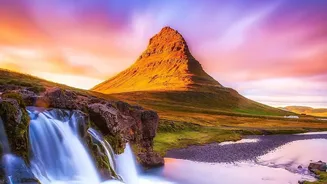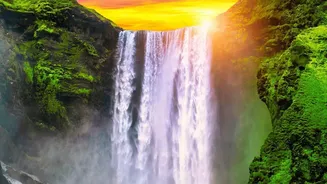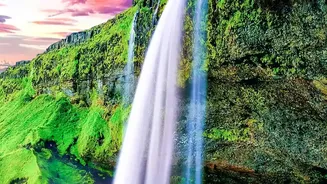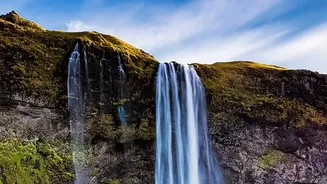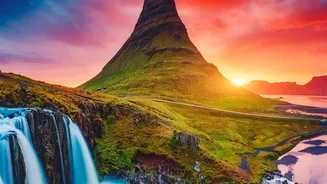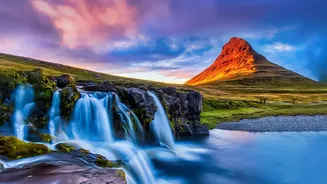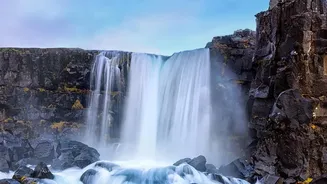




Gullfoss: The Golden Giant
One of Iceland's most iconic and visited waterfalls, Gullfoss is a star of the famous Golden Circle route. The Hvitá river plunges down in two dramatic stages, creating a powerful spectacle and constant spray. In the summer, you can walk along a path
to get incredibly close to the edge, feeling the thunderous roar of the water. On sunny days, the mist often creates beautiful rainbows, giving the waterfall its name, which translates to 'Golden Falls'. Its accessibility from Reykjavik makes it a perfect first stop on any Iceland itinerary.
Seljalandsfoss: Walk Behind the Curtain
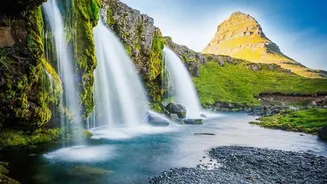
Have you ever dreamed of walking behind a waterfall? At Seljalandsfoss, you can do just that. Located on the South Coast, this 60-metre tall cascade has a pathway that leads you into a small cave behind the falling water. This unique perspective offers incredible photo opportunities, but be prepared to get wet from the spray—a waterproof jacket and pants are essential. It's especially magical during the summer months when the midnight sun casts a beautiful glow. A short walk from Seljalandsfoss is the hidden gem Gljúfrabúi, tucked away inside a canyon.
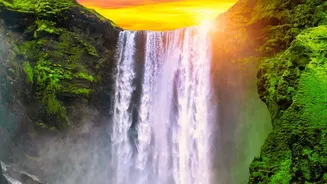
Skógafoss: The Powerful Icon
Just a short drive from Seljalandsfoss, Skógafoss is another South Coast marvel. This perfectly rectangular waterfall drops 60 metres with immense force, creating a huge amount of mist that often produces single or even double rainbows on sunny days. You can walk right up to its base to feel its power or climb a staircase of over 500 steps to the top for a breathtaking bird's-eye view of the cascade and the coastline beyond. Its sheer size and photogenic nature make it one of the most famous waterfalls in the country.
Dettifoss: Europe’s Most Powerful
Located in Northeast Iceland, Dettifoss is a display of raw, untamed nature. It is reputed to be the most powerful waterfall in Europe, with a colossal volume of water crashing into the Jökulsárgljúfur canyon. The ground literally trembles as you approach it. The landscape here is more rugged and lunar-like compared to the green pastures of the South Coast. Access can be more challenging, especially outside of the summer months, but the awe-inspiring sight is a reward for the adventurous traveller.
Planning Your Trip From India
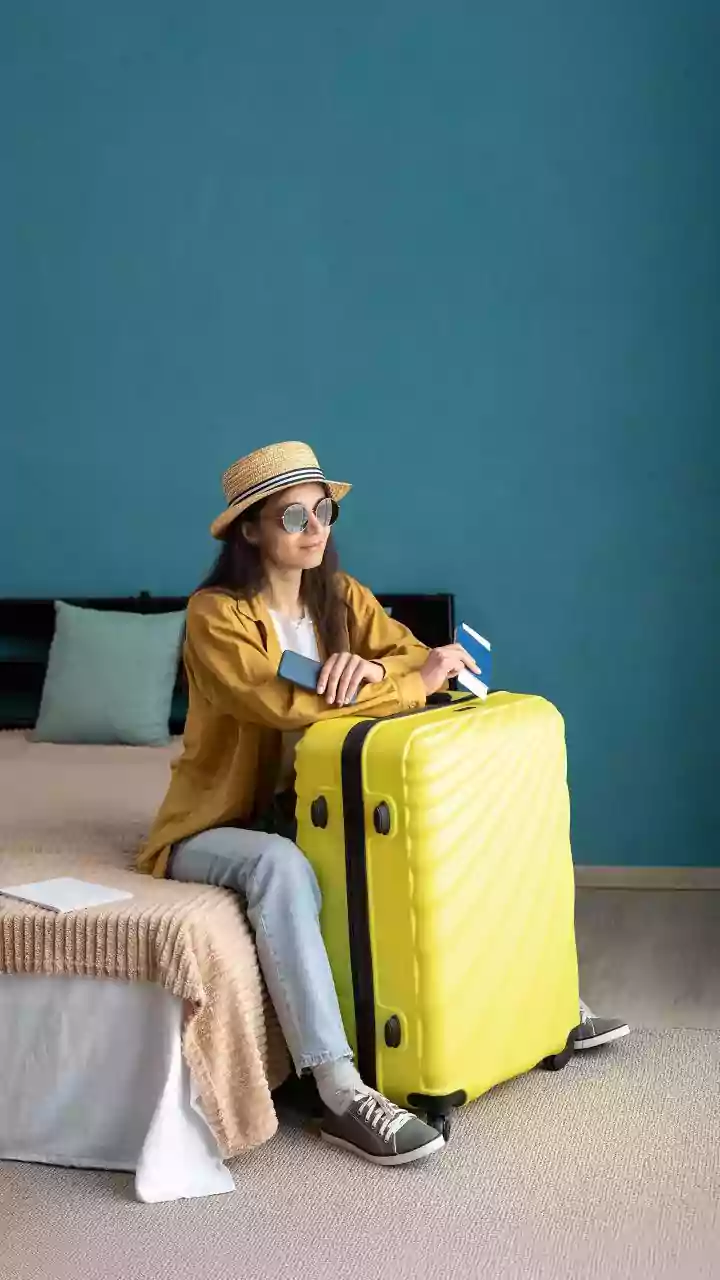
Indian passport holders require a Schengen Type C short-stay visa to visit Iceland. Since there are no direct flights, your journey will include a layover in a European city like Paris, Helsinki, or London. When applying for your visa, you must do so through the embassy of your main destination in the Schengen Area. You will need to provide confirmed flight bookings, hotel reservations, and travel insurance with a minimum coverage of €30,000. It's best to apply at least a few months in advance through an official VFS Global centre.
Getting Around and Driving Tips
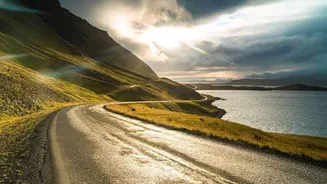
The best way to see Iceland's waterfalls is by renting a car and driving the famous Ring Road. Indian driving licenses are valid if they are in English. However, driving in Iceland is very different from India. Always keep your headlights on, never stop on the road for photos (use designated pullouts), and be prepared for rapidly changing weather. Wind can be extremely strong, so always hold your car door firmly when opening it. Check road conditions on websites like road.is before setting out each day, especially outside of the summer.
Food for Indian Travellers
While traditional Icelandic cuisine is heavy on lamb and fish, finding vegetarian food is surprisingly easy, especially in Reykjavik. The city has a growing number of dedicated vegan and vegetarian restaurants like Vegan World Peace, Mama Reykjavik, and Loving Hut. Most restaurants across the country offer at least one vegetarian option. For those on a self-drive trip, stocking up on groceries at stores like Krónan in Reykjavik is a great idea, as options can become more limited in smaller towns and rural areas.