



A Global Gathering in Bengaluru
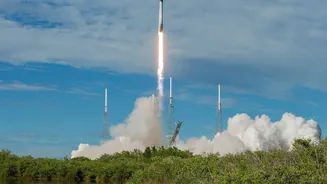
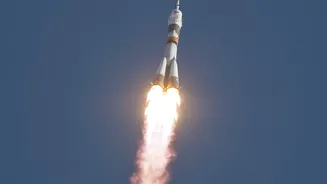
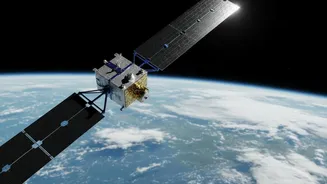
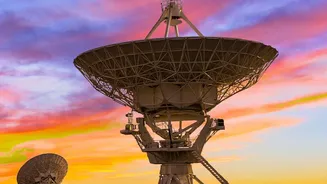
The second edition of the International Conference on Spacecraft Mission Operations (SMOPS-2026) recently concluded in Bengaluru, bringing together a global confluence of space agencies, scientists, and industry leaders. Jointly organized by the Indian
Space Research Organisation (ISRO), the Astronautical Society of India (ASI), and the International Academy of Astronautics (IAA), the conference's theme was "Innovative Operations for Smart and Sustainable Space Mission Management - Next Generation." Discussions moved beyond theoretical designs to the practical challenges of modern space missions, including the management of large satellite constellations, interplanetary missions, and the growing congestion in Earth's orbit. ISRO Chairman Dr. V. Narayanan emphasized the need for global collaboration to find innovative solutions for these complex problems, setting a clear tone for the event's focus on sustainability.
The Growing Problem of Space Junk
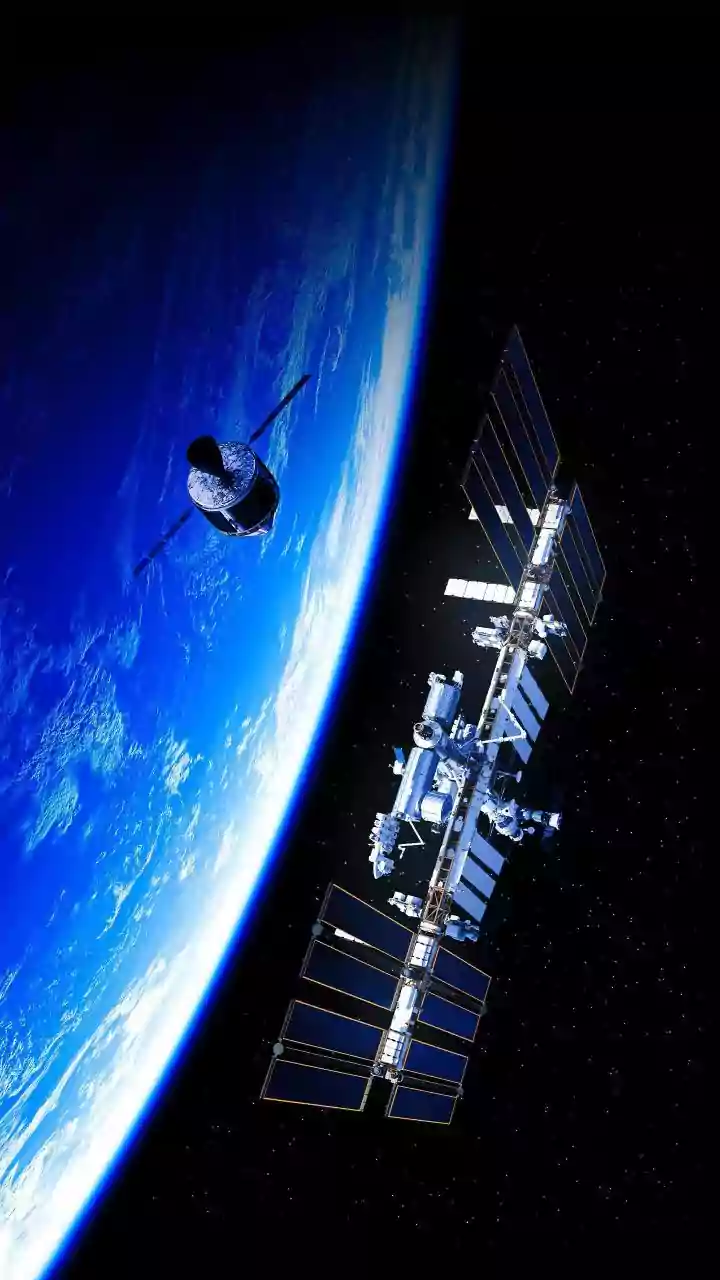
The final frontier is getting cluttered. Decades of satellite launches, rocket stages, and mission-related debris have created a hazardous belt of 'space junk' orbiting our planet. This debris can range from large, defunct satellites to tiny fragments of metal travelling at incredible speeds. The primary concern is the risk of collision, which can damage or destroy operational satellites vital for communication, navigation, weather forecasting, and national security. A catastrophic collision could trigger a chain reaction, known as the Kessler syndrome, creating even more debris and potentially rendering certain orbits unusable for generations. As of March 2026, India itself has 129 trackable pieces of debris in orbit, a relatively small number but one that underscores the global nature of the challenge.
India's Proactive Push for Sustainability
India is not just acknowledging the problem; it is actively developing solutions. A key initiative is the 'Debris Free Space Mission' (DFSM), which aims for all Indian space activities, both governmental and private, to achieve zero debris creation by 2030. To support this, ISRO has established the System for Safe and Sustainable Space Operations Management (IS4OM), a dedicated body to monitor space traffic and mitigate collision risks. In 2025, India performed 17 collision avoidance manoeuvres to protect its satellites. Furthermore, ISRO is pioneering technologies for post-mission disposal, such as deliberately de-orbiting the final stage of its PSLV-C56 rocket to drastically reduce its orbital lifetime from over 25 years to less than a month. These actions demonstrate a clear shift towards responsible space stewardship.
Pioneering Technologies for a Cleaner Orbit
Beyond mitigation, ISRO is working on advanced technologies for active debris removal and on-orbit servicing. The SpaDeX (Space Docking Experiment) mission, which achieved a milestone in 2025, successfully demonstrated autonomous rendezvous, docking, and undocking capabilities. These are crucial precursor technologies for future missions that could refuel, repair, or safely de-orbit other satellites. Additionally, studies are underway for using robotic arms for these complex tasks. Another significant effort is the development of greener propulsion systems, like hydrogen peroxide-based fuels, to replace toxic conventional propellants, further reducing the environmental impact of space missions. These technological strides position India at the forefront of creating a sustainable orbital environment.
Leading by Example on the World Stage
India's commitment extends to international cooperation. As an active member of the Inter-Agency Space Debris Coordination Committee (IADC), ISRO contributes to developing and revising global mitigation guidelines. By proactively taking steps like the controlled re-entry of the Megha-Tropiques satellite and moving other decommissioned satellites to 'graveyard orbits,' India shows its alignment with international best practices. The SMOPS-2026 conference itself served as a platform to foster this global dialogue, with participation from major agencies like NASA, ESA, and JAXA. This approach underscores a strategic vision: to not only advance India's own space ambitions but also to secure its role as a responsible and leading power in the global space community.