


Highways That Shrink the Map
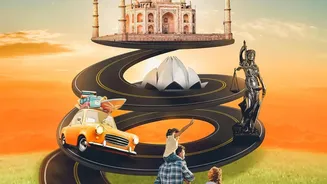
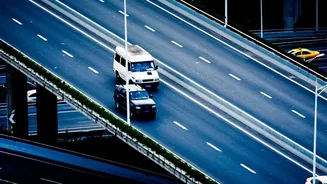
Not long ago, a weekend trip from Delhi to Dehradun meant a gruelling six-hour drive, with traffic jams eating into precious holiday time. Today, that same journey can take as little as two and a half hours. This is the magic of India's rapidly expanding
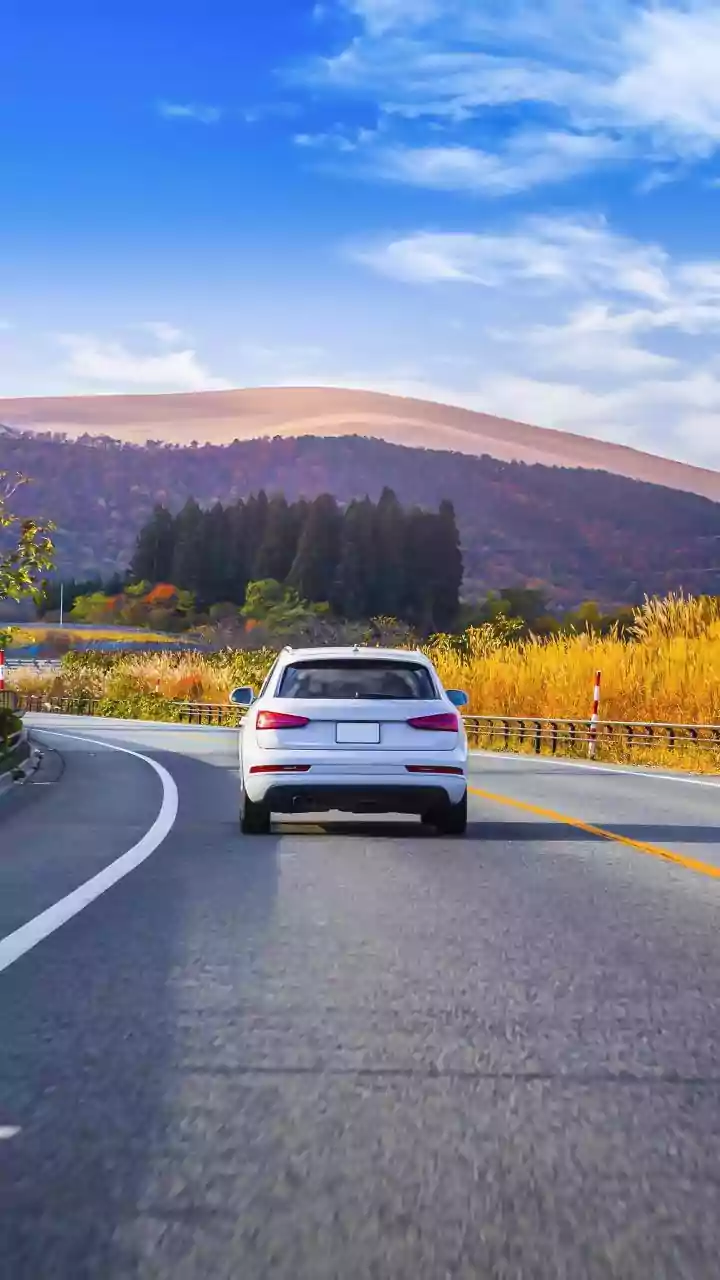
expressway network. Projects like the Delhi-Mumbai Expressway, Ganga Expressway, and Bengaluru-Mysuru Expressway are drastically cutting travel times between major cities. A journey that once seemed too long for a three-day weekend is now comfortably within reach. This physical connectivity is the first piece of the puzzle. It puts more destinations on the 'weekend getaway' map, encouraging travellers to look beyond the usual over-crowded spots and explore new territories. The result is not just faster travel, but a fundamental change in our perception of distance.
The Vande Bharat Effect
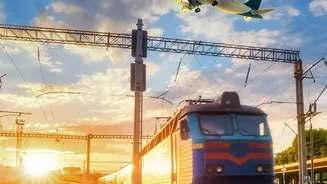
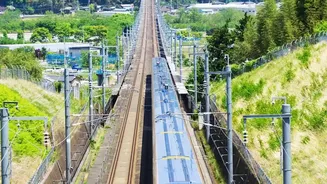
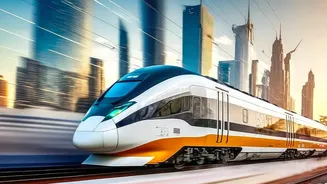
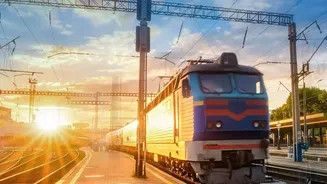
It's not just roads that are getting an upgrade. Indian Railways' Vande Bharat Express trains are revolutionising inter-city travel. Offering speeds and comfort that compete with air travel for short to medium distances, these semi-high-speed trains are making weekend trips more convenient and less stressful. Routes connecting major hubs like Delhi to Varanasi or providing access to pilgrimage and tourist sites in Katra are proving immensely popular. For many, the ability to bypass airport queues and road traffic makes the train an attractive choice. It's now possible to visit UNESCO World Heritage sites like the Taj Mahal or the temples of Khajuraho on a quick, comfortable rail journey, changing the calculus for cultural tourism. This network expansion is opening up previously underserved destinations, making them viable options for short, spontaneous trips.
The 'Work from Anywhere' Weekend
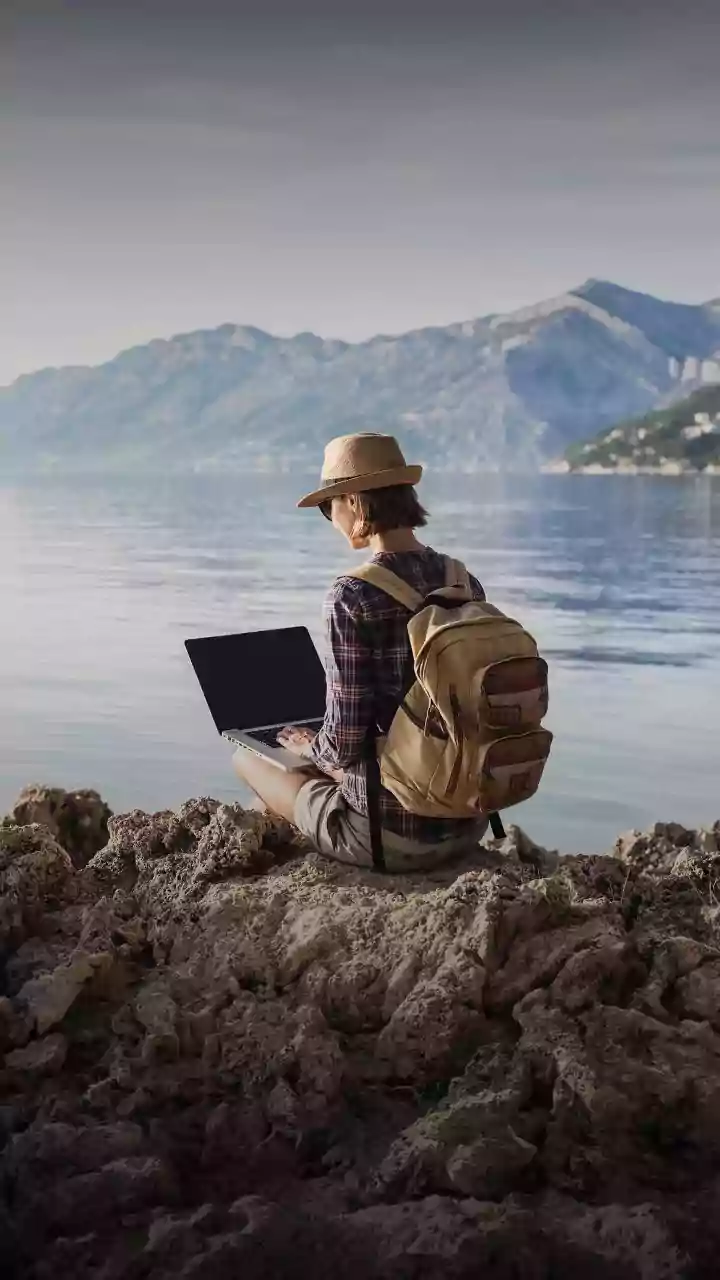
Perhaps the biggest change agent is digital connectivity. The rollout of 5G and the advent of satellite internet services mean that a reliable, high-speed connection is no longer confined to major cities. This has given rise to the 'workcation' or the 'flexi-travel' trend. Instead of taking a full day off, professionals can now extend their weekends by travelling on a Thursday evening and working remotely from their destination on Friday. A recent survey found that nearly half of workers planned to extend a holiday by working remotely in 2026. Homestays in the hills and beachside cottages that once promised a 'digital detox' are now marketing their high-speed Wi-Fi. This flexibility allows travellers to escape the peak rush of Friday evenings and Sunday nights, spreading out their journeys and enjoying longer, more relaxed stays.
Exploring the Unexplored
The convergence of better roads, faster trains, and ubiquitous internet is creating a new travel landscape. With the ability to work from almost anywhere, travellers are no longer tethered to traditional tourist hotspots. Satellite internet providers are poised to bridge the digital divide in rural and remote areas, bringing reliable connectivity to places where terrestrial infrastructure is lacking. This opens up a world of possibilities for discovering lesser-known destinations. A quiet village in the mountains or a secluded coastal hamlet can now be a temporary office. This trend not only provides a richer experience for the traveller but also helps distribute tourist traffic more evenly, easing the pressure on overburdened destinations and boosting local economies in emerging travel spots. The freedom to roam, powered by technology, means the next long weekend could be an adventure far from the beaten path.