







Embrace Local Powerhouses
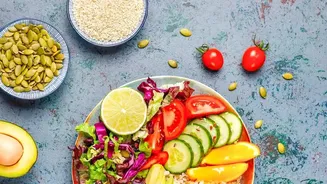
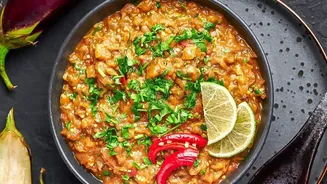
Forget imported quinoa and avocados; the real heroes of nutrition are often the most familiar and affordable. Indian markets are brimming with nutrient-dense foods that form the foundation of a healthy diet. Lentils and pulses like moong, masoor, and chana
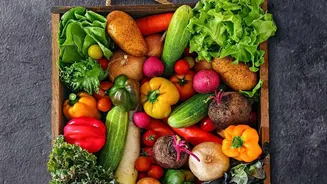
dal are excellent sources of protein and fibre, keeping you full and energized. Seasonal vegetables, from leafy greens like spinach in the winter to gourds in the summer, are packed with vitamins and minerals at a lower cost. Millets such as bajra and jowar, once called 'poor man's staples', are now celebrated for being rich in fibre and antioxidants. Pairing these with affordable fruits like bananas and guava ensures you get a wide spectrum of nutrients without straining your wallet.
The Art of the Balanced Thali
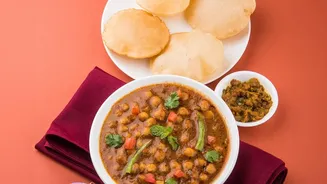
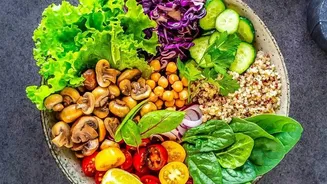
The traditional Indian thali is a natural guide to balanced eating, but modern habits have often skewed our proportions towards excessive carbohydrates. To realign your plate for optimal health, follow a simple visual rule recommended by nutritionists: fill half of your plate with vegetables. This could be a generous serving of sabzi, a fresh salad, or a combination of both. The remaining half should be divided equally between protein and carbohydrates. For the protein quarter, think dal, sprouts, paneer, or eggs. The final quarter is for carbohydrates like rotis or a small bowl of rice. This structure, recommended by institutions like the National Institute of Nutrition (NIN), ensures you get adequate fibre and micronutrients while managing calorie intake.
Mastering Portion Control, Simply
‘How much’ you eat is just as important as ‘what’ you eat. Portion control isn’t about complex calorie counting but about being mindful of quantities. You can use your hand as a simple guide: a fist-sized serving for vegetables or cooked rice, a palm-sized portion for protein like dal or paneer, and a thumb-tip for oils or ghee. Simple habits can make a huge difference. Using smaller plates and bowls can psychologically trick your brain into feeling satisfied with less food. Serving food in the kitchen instead of placing large dishes on the dining table helps prevent mindless second helpings. Eating slowly and without distractions like the TV allows you to better recognise your body's fullness cues, preventing overeating.
Smart Shopping and Cooking Habits
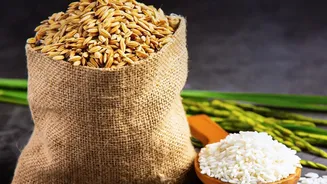
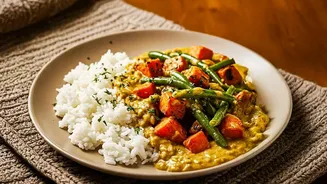
A healthy, budget-friendly diet starts before you even cook. Planning your meals for the week is a powerful strategy to reduce impulse buys and food waste. When you go shopping, stick to a list. Prioritise buying seasonal produce from local mandis, as it's fresher and cheaper. Buying staples like grains and pulses in bulk can also reduce the cost per kilogram. At home, adopt cooking methods that preserve nutrients and save money. Batch cooking dals or chopping vegetables for a few days in advance saves time. Simple dishes like khichdi, poha, or dal-rice are not only quick and easy but also incredibly nourishing. Re-purposing leftovers, like using leftover dal as a filling for parathas, further stretches your budget and reduces waste.