


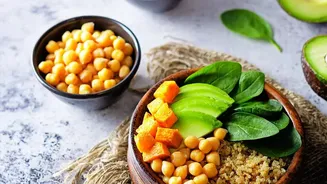


The Common Pitfall: The 'Junk Food' Vegetarian
It’s an easy trap to fall into. You cut out meat, but replace it with an abundance of refined carbohydrates like white bread, pasta, processed snacks, and cheese-heavy dishes. While technically vegetarian, this way of eating can leave you feeling sluggish
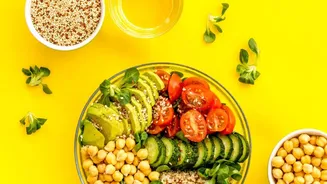
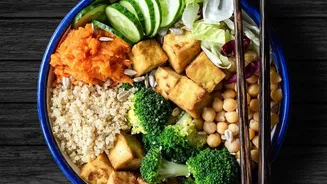
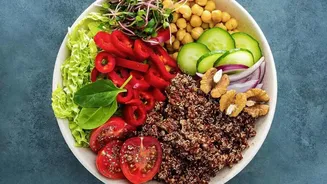
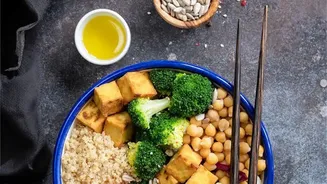
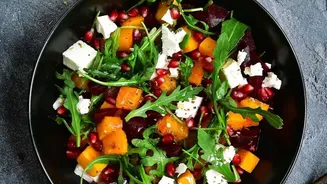
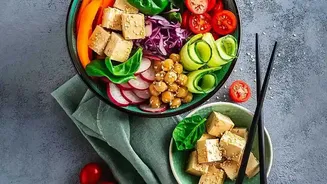
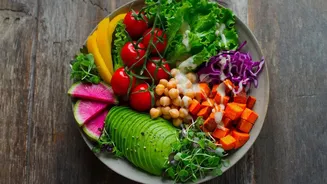
and lead to nutritional gaps. A truly healthy vegetarian diet is rich in a variety of whole foods—fruits, vegetables, whole grains, legumes, nuts, and seeds. The goal is to build a vibrant plate full of colour and nutrients, not just fill the space that meat once occupied.
Protein: Your Body's Essential Building Block
Protein is crucial for muscle repair, immune function, and overall health. Many people worry about getting enough protein on a vegetarian diet, but it’s a myth that it's difficult. India’s traditional cuisine is filled with excellent protein sources. Lentils (dal), chickpeas (chana), kidney beans (rajma), and various other pulses are staples that provide a strong protein foundation. Other fantastic sources include paneer, tofu, soy chunks, quinoa, and dairy products like milk and yogurt. Including a source of protein in every meal helps maintain energy levels and keeps you feeling full and satisfied.
Iron and Vitamin B12: The Energy Nutrients
Feeling tired is a common complaint among new vegetarians, and the culprits are often low levels of iron and vitamin B12. Iron is vital for transporting oxygen in your blood. Plant-based (non-heme) iron is found in lentils, chickpeas, beans, tofu, spinach, and quinoa. To boost absorption, it's helpful to pair these foods with a source of vitamin C, such as tomatoes, bell peppers, or a squeeze of lemon juice. Vitamin B12, which is essential for nerve function, is found almost exclusively in animal products. For vegetarians, it's important to consume B12 through dairy products, eggs, or fortified foods like breakfast cereals, plant-based milks, and nutritional yeast. For some, especially vegans, a B12 supplement may be a reliable option to prevent deficiency.
Healthy Fats and Omega-3s: Fuel for Your Brain
Fats are not the enemy; your body needs them for hormone production and absorbing certain vitamins. The focus should be on unsaturated fats and essential fatty acids like omega-3s, which are crucial for brain health. While fatty fish is a well-known source, vegetarians can find omega-3s in plant-based foods. Flaxseeds, chia seeds, and walnuts are excellent sources. You can easily add them to your morning oatmeal, yogurt, or smoothies. Using a variety of healthy oils for cooking, such as olive or avocado oil, and including nuts and seeds in your diet ensures you get the healthy fats your body requires.
Calcium and Vitamin D: The Bone Health Duo
Strong bones depend on an adequate intake of calcium and vitamin D. Dairy products like milk, yogurt, and paneer are rich in calcium. For those who avoid dairy, fortified plant milks (like soy or almond), leafy greens such as spinach, and ragi are good alternatives. Vitamin D can be a challenge to get from food alone, as its primary sources are animal-based. Our bodies naturally produce vitamin D when exposed to sunlight, but many people still fall short. Fortified foods like milk, plant milks, and some cereals can help. In some cases, a supplement might be recommended to ensure optimal levels, especially for those with limited sun exposure.
Putting It All Together: Building a Balanced Plate
Thinking about a balanced plate can make meal planning simpler. A good rule of thumb is to fill half your plate with a colourful variety of vegetables. One quarter should be a quality protein source, like dal, beans, or tofu. The final quarter should be a complex carbohydrate like brown rice, quinoa, or whole-wheat roti. This simple formula ensures you're getting a mix of macronutrients and micronutrients at every meal. By focusing on diversity and whole foods, you move beyond simply cutting meat to truly embracing a nourishing and sustainable vegetarian lifestyle.