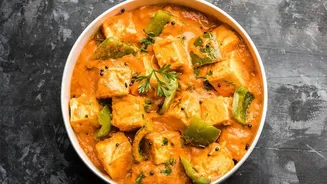



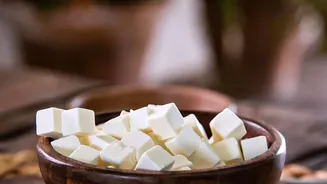
What Exactly is Analogue Paneer?
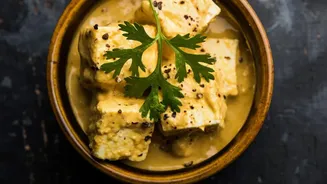
Analogue paneer, sometimes called 'synthetic paneer', is an imitation product designed to look and feel like traditional dairy paneer. However, its composition is fundamentally different. While real paneer is made by curdling fresh milk, analogue versions
are typically crafted from a mix of vegetable fats (like palm oil), skimmed milk powder, starches, emulsifiers, and stabilisers. This process allows manufacturers to create a product that mimics the appearance and texture of paneer at a much lower cost and with a significantly longer shelf life. The key difference lies in the fat source: genuine paneer uses milk fat, whereas analogue products rely on vegetable oils.
Why Does It Exist?
The rise of analogue paneer is largely an economic story. With the booming popularity of paneer in restaurants, cloud kitchens, and catering businesses, demand has often outstripped the supply of affordable, high-quality dairy paneer. Analogue products offer a cost-effective solution for businesses, with prices sometimes less than half that of their dairy-based counterparts. The FSSAI has noted that the popularity of these substitutes is driven by lower costs and ease of manufacturing. The issue isn't necessarily the existence of these products, but the lack of transparency; problems arise when they are sold or served as genuine paneer without clear labelling, misleading consumers.
Nutritional Differences: A Tale of Two Blocks
The ingredient swap has significant nutritional consequences. Real paneer, made from fresh milk, is a powerhouse of high-quality protein and calcium. Analogue paneer, on the other hand, generally has a lower protein content and a different fat profile. It's often higher in carbohydrates due to added starch and contains fats from vegetable oils, which can include unhealthy trans fats if hydrogenated oils are used. This means it lacks many of the vital nutrients, like calcium and vitamins, found in traditional paneer. Some experts note that while it may not be entirely unsafe, regular consumption can lead to a higher intake of processed ingredients and unhealthy fats.
How to Spot the Difference in Your Kitchen
Becoming an informed consumer is your best defence. There are several simple tests you can do at home. Real paneer has a soft, slightly crumbly or grainy texture, while analogue versions can feel rubbery, elastic, or overly smooth. A taste test can also be revealing: real paneer has a mild, milky flavour, whereas a substitute might taste bland, oily, or have a chemical aftertaste. One of the most reliable methods is the iodine test. Boil a small piece of the paneer, let it cool, and add a few drops of iodine solution. If it turns blue or black, it confirms the presence of starch, a common ingredient in analogue paneer.
Regulatory Scrutiny and What It Means
Food safety authorities have taken notice. The Food Safety and Standards Authority of India (FSSAI) has clarified that any product sold as 'paneer' must be made exclusively from milk. Selling a cheese analogue under the name 'paneer' is a violation of the law. In response to widespread mislabelling, states like Maharashtra, Gujarat, and Chhattisgarh have recently banned the manufacture and sale of improperly labelled analogue paneer, citing public health and consumer protection. These crackdowns signal a growing recognition that this is not just a labelling issue but a matter of consumer rights and food safety. Regulators are pushing for mandatory disclosures on menus and packaging so consumers can make an informed choice.