







A New Chapter in Overnight Travel
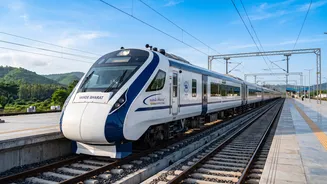
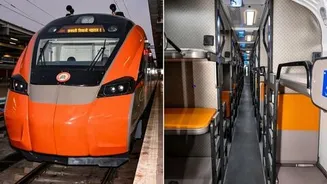
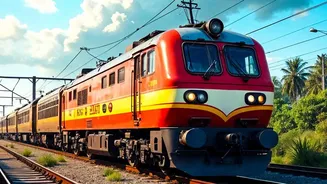
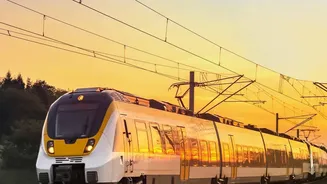
The Vande Bharat Sleeper is Indian Railways' latest offering, designed to provide a faster, more comfortable alternative to long-distance overnight trains like the Rajdhani Express. These fully air-conditioned, self-propelled trainsets are built for semi-high-speed
travel, aiming to connect cities between 800 and 1,200 km apart. The first services began in early 2026, with routes like Howrah-Kamakhya and Bengaluru-Mumbai already operational. Each 16-coach train accommodates 823 passengers across AC First, AC 2-Tier, and AC 3-Tier classes, promising modern amenities like better berths, improved lighting, CCTV cameras, and bio-vacuum toilets.
Understanding the 'No RAC' Policy
For decades, Indian train travellers have relied on the Reservation Against Cancellation (RAC) system. It allows two passengers to share a single side-lower berth, offering a way to board a train even without a fully confirmed seat. The Vande Bharat Sleeper does away with this entirely. The Railway Board has mandated that only passengers with fully confirmed berths will be allowed to board. There will be no RAC, no partially confirmed tickets, and while waitlists may appear during booking, a waitlisted ticket does not grant permission to travel on these specific trains. This policy shift is designed to ensure an uncrowded and premium experience for every paying passenger.
Why This Change Was Made
The decision to eliminate RAC is a deliberate move to position the Vande Bharat Sleeper as a high-end service, competing more with airlines than with traditional trains. The primary goal is to prevent the overcrowding that often occurs on other long-distance services and guarantee that every passenger has their own dedicated berth. By ensuring an 'airline-like' environment, the railways aim to attract travellers who prioritize comfort, cleanliness, and punctuality. This exclusivity is a core part of the product, justifying a fare structure that is reportedly 20-30% higher than equivalent Rajdhani journeys. The policy ensures that the premium amenities and enhanced comfort are not diluted by excess passengers.
How Your Booking Strategy Must Adapt
The new rules fundamentally change how you should approach booking a Vande Bharat Sleeper. Last-minute travel plans become significantly more difficult. These trains also have no Tatkal or Premium Tatkal quotas, which are popular for urgent travel needs. All berths are available under the general quota from the moment the Advance Reservation Period (ARP) opens, which is typically 60 days in advance. Since fares are fixed and do not follow a dynamic pricing model, there is no price advantage to waiting. The key takeaway for travellers is to plan well in advance. If you want a berth on these popular new trains, booking as early as possible is the only reliable strategy.
The Pros and Cons for Passengers
For passengers who secure a ticket, the benefits are clear. You are guaranteed a comfortable, individual berth on a modern, high-speed train without the typical crowding. The journey promises to be quieter, cleaner, and more pleasant. However, the downside is a significant loss of flexibility. The absence of RAC and Tatkal quotas removes the safety net for travellers with uncertain plans or last-minute needs. If a train is fully booked, there is no alternative way to get on board. While passengers with waitlisted tickets can get a refund if their seat does not get confirmed, they cannot board the train, which means having a backup travel plan is essential.