




The cancellation of three of Taylor Swift’s Vienna concerts in August 2024 sent shockwaves through the music world. Now, a new interview with a former intelligence chief has brought the foiled terror plot back into focus.
A Plot to Cause Mass Casualties
In August 2024, Austrian authorities,
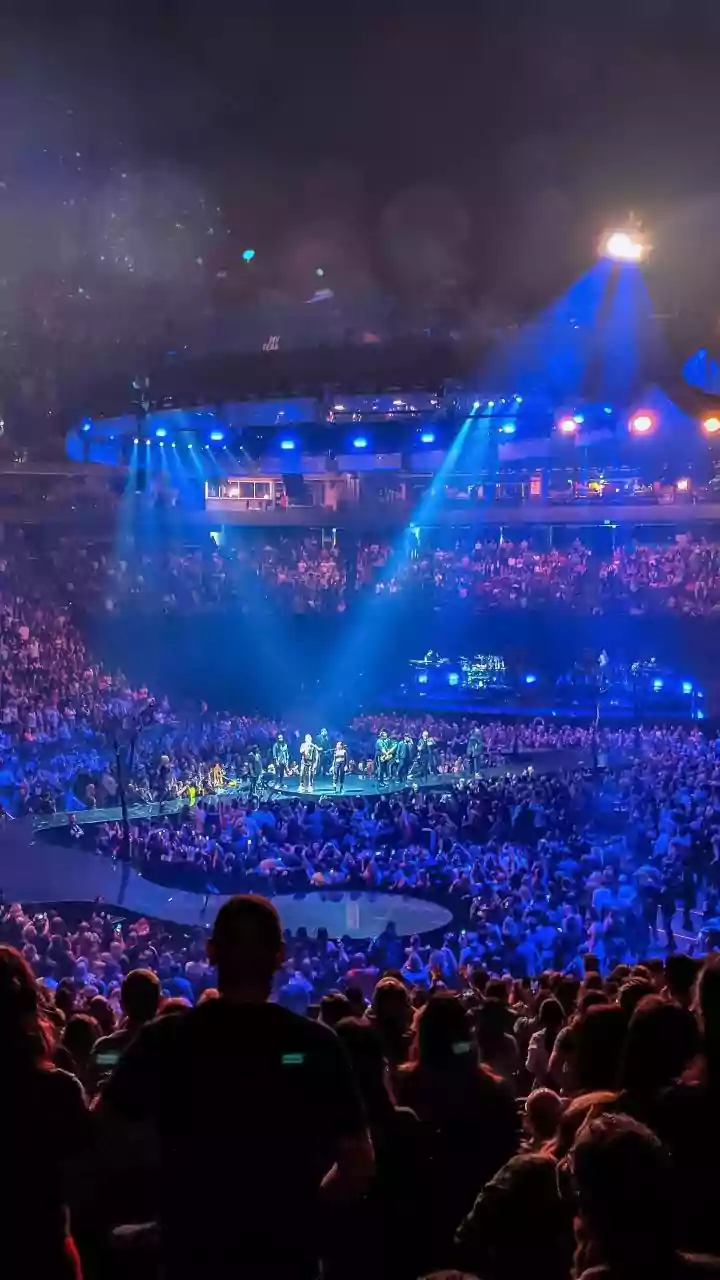
acting on intelligence, arrested several suspects who were planning a significant attack on Taylor Swift's 'Eras Tour' concerts in Vienna. The plot, linked to ISIS sympathizers, was extensive and involved plans for using knives, a vehicle, and homemade explosives to attack the estimated 200,000 fans expected over three nights. The suspects, some as young as 17, had been radicalized online. Investigators discovered weapons and bomb-making materials, confirming the seriousness of the threat. The concerts were immediately cancelled, a decision that Swift later said left her with 'a new sense of fear' but also gratitude that they were 'grieving concerts and not lives'.
The Bombshell Interview
This week, the story took a new turn when David Barnea, the former head of Israel's Mossad intelligence agency, gave a new interview. Speaking at a conference, Barnea revealed for the first time the extent of Mossad's involvement in foiling the attack. He explained that while Austrian authorities first identified a threat, they shared the information with Mossad. His agency then used its 'unique capabilities' to process the intelligence, map the terror network, and ultimately enable the arrests that prevented what he called the 'mass murder of potentially hundreds of young men and women'. Previously, credit had largely been given to Austrian and US intelligence agencies, making Barnea's revelations a significant new piece of the puzzle.
Questions Over Prior Security
Barnea’s interview inadvertently raises uncomfortable questions about concert security protocols. The headline mentions a review of 'earlier security work', and this incident highlights the complex, multi-layered nature of modern event safety. While the international cooperation between Austria, the US, and Israel was ultimately successful, the plot's advanced stage at the time of discovery is a cause for concern. Experts point out that large venues are considered 'soft targets'. Security is no longer just about bag checks and crowd control at the gates; it involves extensive intelligence work long before the first fan arrives. The Vienna plot underscores a reliance on national intelligence agencies to stop threats that may originate far from the concert venue itself.
A Wider Industry Under Review
This incident, much like the tragic attacks at the Bataclan in Paris and the Ariana Grande concert in Manchester, forces a reckoning for the entire live entertainment industry. Security is a growing concern for promoters, venues, and artists alike. The threat landscape has evolved from organized groups to lone actors radicalized online, making threats harder to predict. As a result, the industry is constantly reassessing its approach. This includes everything from physical security measures like metal detectors and a visible security presence to cybersecurity to protect ticketing data and logistical information. The goal is to create a layered defence that can deter and detect threats at every possible stage, from online chatter to the venue's perimeter.
What This Means for Fans
For the millions who attend concerts, this news can be unsettling. However, it also serves as a reminder of the extensive, often invisible, security operations in place to ensure their safety. Fans may notice more visible security, stricter bag policies, and more thorough screening processes at future events. While these measures can sometimes feel inconvenient, they are a direct response to evolving threats. The Vienna plot was a chilling reminder of the potential dangers, but it was also a story of successful prevention through international cooperation. For attendees, the key takeaway is to remain aware of their surroundings and report any suspicious activity to security personnel, as public vigilance is a crucial part of any comprehensive safety plan.