



A Soothing Home Remedy
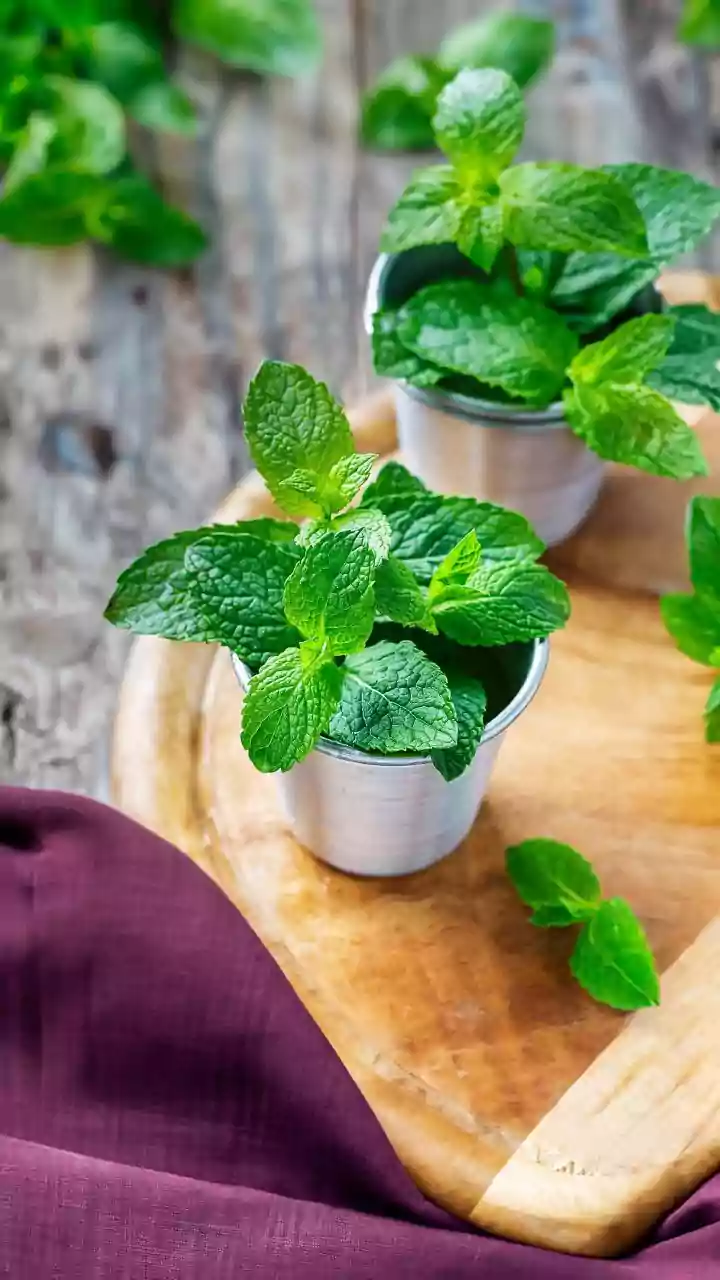
The idea is simple: a soft cloth soaked in warm peppermint tea, applied to the forehead and temples. Peppermint has been used for centuries to address ailments, and its role in headache relief is particularly well-known. The main active ingredient, menthol,
creates a cooling sensation on the skin. This sensation is believed to help relax tense muscles in the head and neck, which are often the culprits behind tension-type headaches. The aroma itself can also be calming, providing a moment of peace during a painful episode.
How to Make a Peppermint Compress
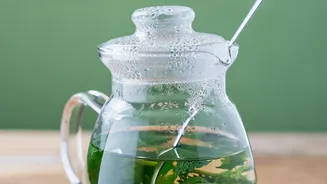
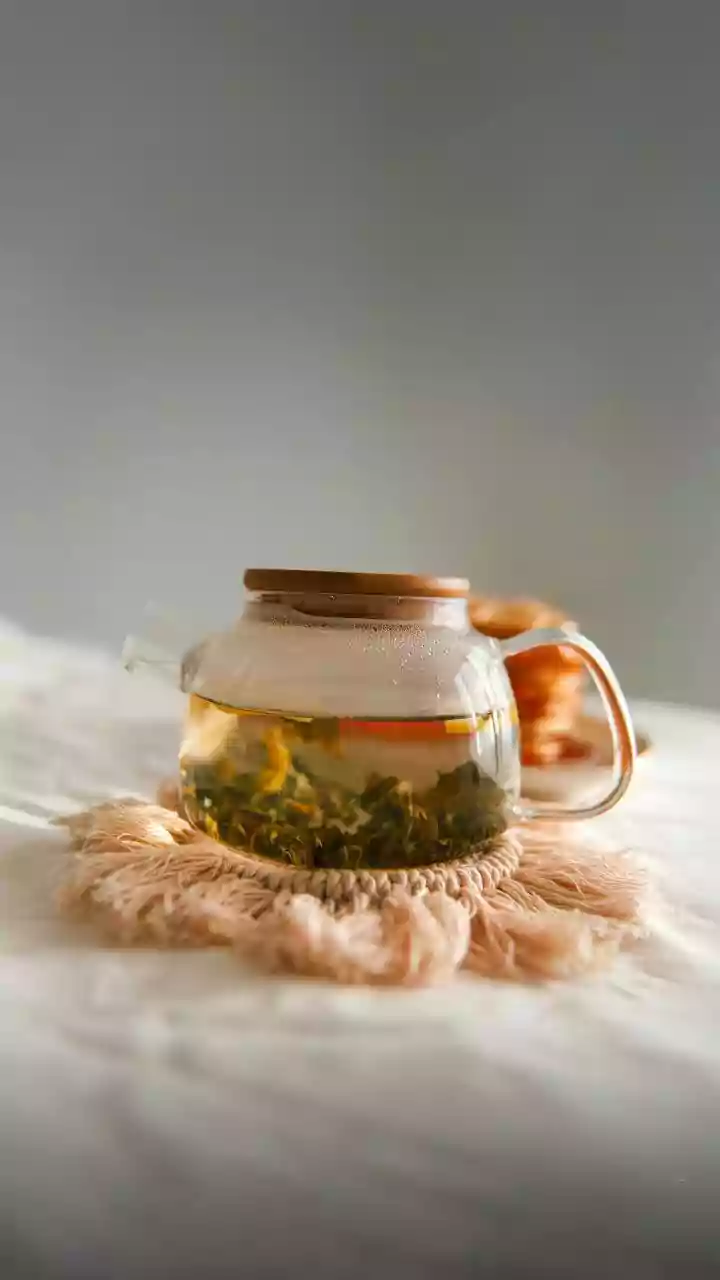
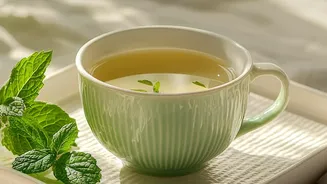
Creating your own peppermint tea compress is straightforward. Start by brewing a strong cup of peppermint tea, using two or three tea bags (or a few tablespoons of loose leaves) and letting it steep for about 10 minutes. Allow the tea to cool down until it's a comfortable temperature to apply to your skin. Soak a clean, soft cloth, like a flannel washcloth, in the tea, and wring out the excess liquid. Find a quiet place to lie down, then apply the damp cloth to your forehead, temples, or the back of your neck. Relax for 10 to 15 minutes, breathing deeply. You can repeat this as needed.
Does It Actually Work?
There's promising science behind this folk remedy. Research has shown that topical applications of peppermint oil, which contains a high concentration of menthol, can be effective for tension headaches. Some studies have found its efficacy comparable to common over-the-counter pain relievers like paracetamol or aspirin for treating tension-type headache pain. The menthol activates cold-sensing receptors in the skin, which can help block pain signals from reaching the brain. While a tea compress is more dilute than a concentrated oil, it can still provide mild relief and a comforting experience.
Not All Headaches Are the Same
Here's the crucial part: a peppermint compress is best suited for tension headaches, often described as feeling like a tight band around the head. But there are many other types of headaches. Migraines, for instance, often involve severe, throbbing pain on one side of the head, accompanied by nausea or sensitivity to light and sound. Cluster headaches cause excruciating, piercing pain, usually around one eye. Other headaches can be caused by sinus issues, exertion, or even as a symptom of another underlying condition. Using a remedy designed for muscle tension may not be effective for these other types, which is why identifying your specific headache is so important.
Identifying Your Headache Triggers
True, long-term headache management comes from understanding your personal triggers. Keeping a simple diary can help you spot patterns. Common triggers for primary headaches include stress, poor or irregular sleep, dehydration, and skipping meals. For some, specific foods like processed meats containing nitrates, aged cheeses, or alcohol can be a cause. Hormonal fluctuations, changes in the weather, strong odours, and even poor posture can also play a significant role. Once you identify what precedes your headaches, you can take proactive steps to avoid or manage those triggers.
When Natural Remedies Aren't Enough
While gentle solutions are appealing, they are not a substitute for medical advice. You should see a doctor if your headaches become more frequent or severe, don't improve with over-the-counter medication, or interfere with your daily life. It's especially important to seek immediate medical attention for a headache that is sudden and severe (often called the 'worst headache of your life'), or is accompanied by fever, a stiff neck, confusion, weakness, vision changes, or trouble speaking. These can be signs of a more serious condition that requires urgent care.