




A Journey Back in Time
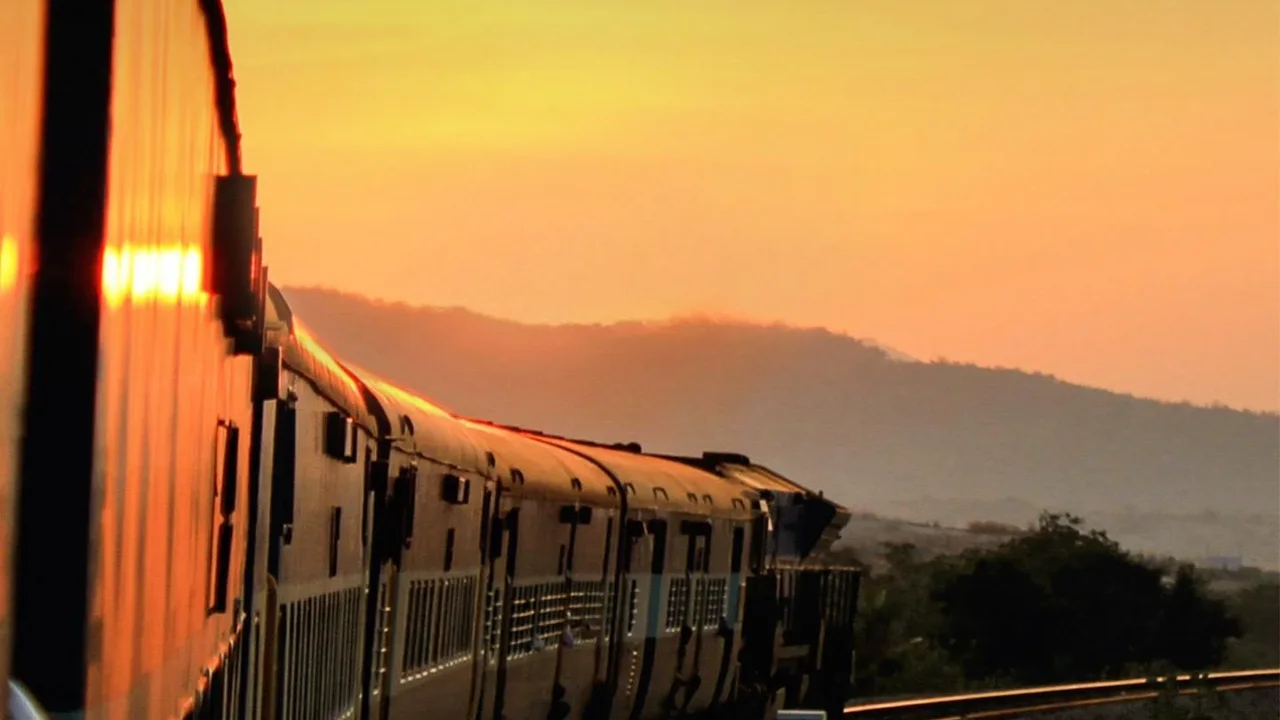
The adventure begins at Kalka, where the narrow-gauge track separates from the main Indian rail system, immediately signaling a departure from the ordinary. Boarding one of the charming, diminutive coaches feels like stepping into a bygone era. The train,
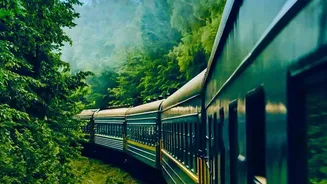
officially part of the UNESCO World Heritage Mountain Railways of India, starts its gentle but determined climb from 656 meters, beginning a five-to-six-hour ascent into the Shivalik hills. The leisurely pace, averaging around 20-25 km/h, is a deliberate feature, not a flaw. It invites passengers to trade efficiency for immersion, offering up-close views of village life, terraced fields, and dense forests that would be a blur from a car window.
An Engineering Marvel for an Empire
The railway's story is deeply entwined with the British Raj. In 1864, Shimla was declared the official summer capital, forcing the colonial administration to undertake a gruelling annual migration from Calcutta. To ease this journey, the railway was commissioned. Construction began in 1898 and the line was inaugurated in November 1903 by Lord Curzon. Led by chief engineer Herbert Septimus Harington, the project was a monumental feat of engineering. Workers, using mostly manual tools, carved a 96-kilometre path through formidable terrain, a testament to their ingenuity and perseverance that remains awe-inspiring over a century later.
Through Tunnels and Across Gorges
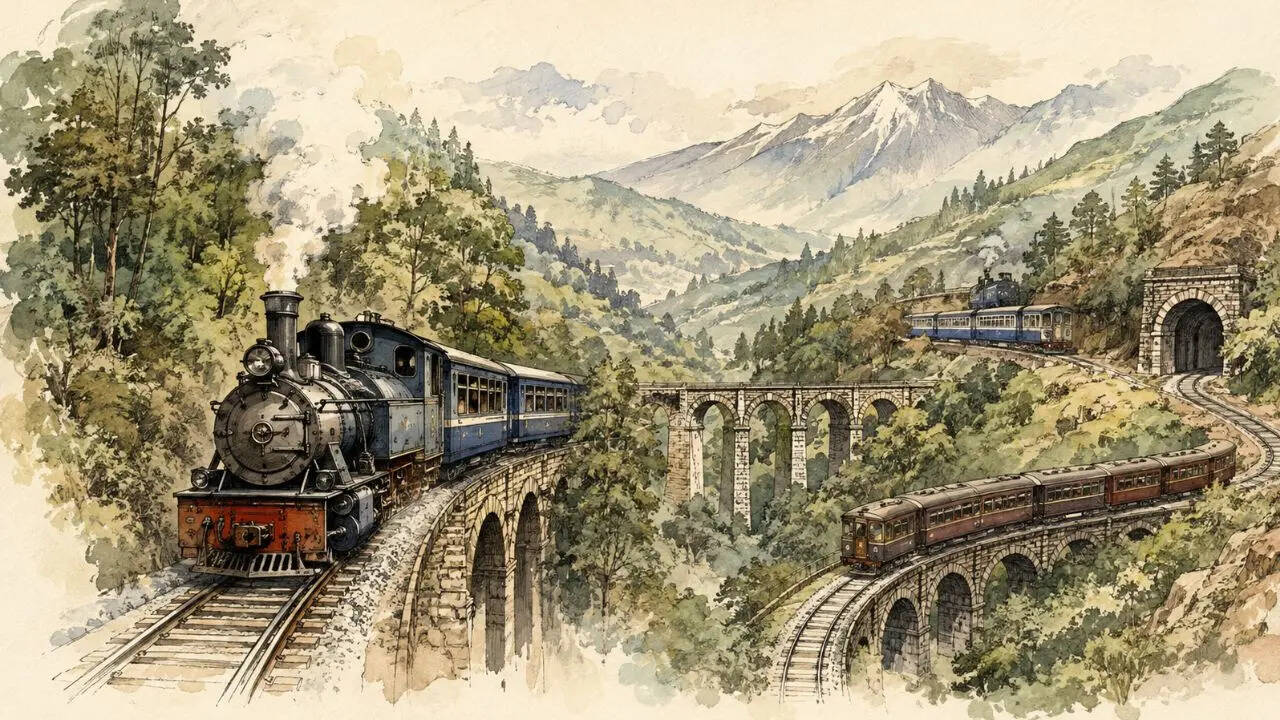
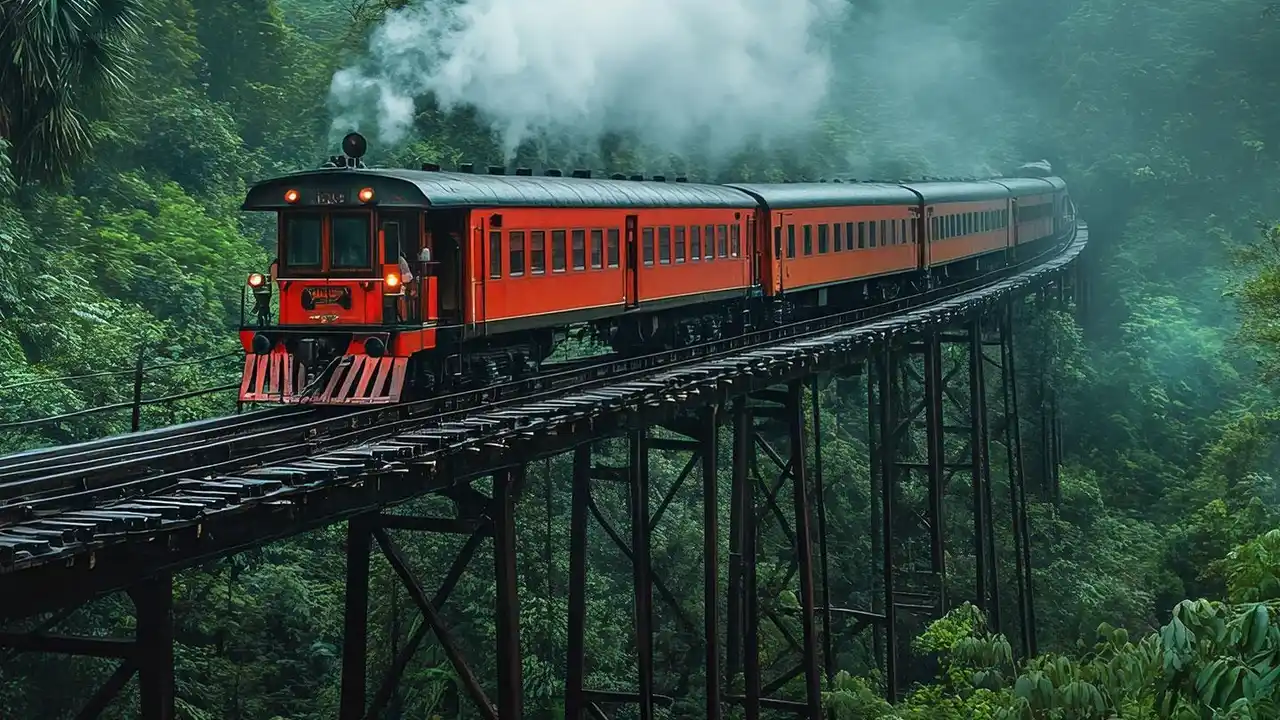
The route's most celebrated features are its architectural wonders. The train navigates over 800 bridges and through more than 100 tunnels, each with its own story. The longest and most famous is Tunnel No. 33 near Barog station. It stretches over a kilometre and is a perfectly straight tunnel, an incredible accomplishment for its time. Its history is also tinged with tragedy; it is named after Colonel Barog, the original engineer who, after a miscalculation in alignment, abandoned the project in despair. The current tunnel was completed by H.S. Harington with the help of a local sage named Bhalku. Equally impressive are the multi-arched gallery bridges, like Bridge No. 541 and No. 226, which resemble ancient Roman aqueducts as they gracefully span deep valleys.
A Living Heritage Site
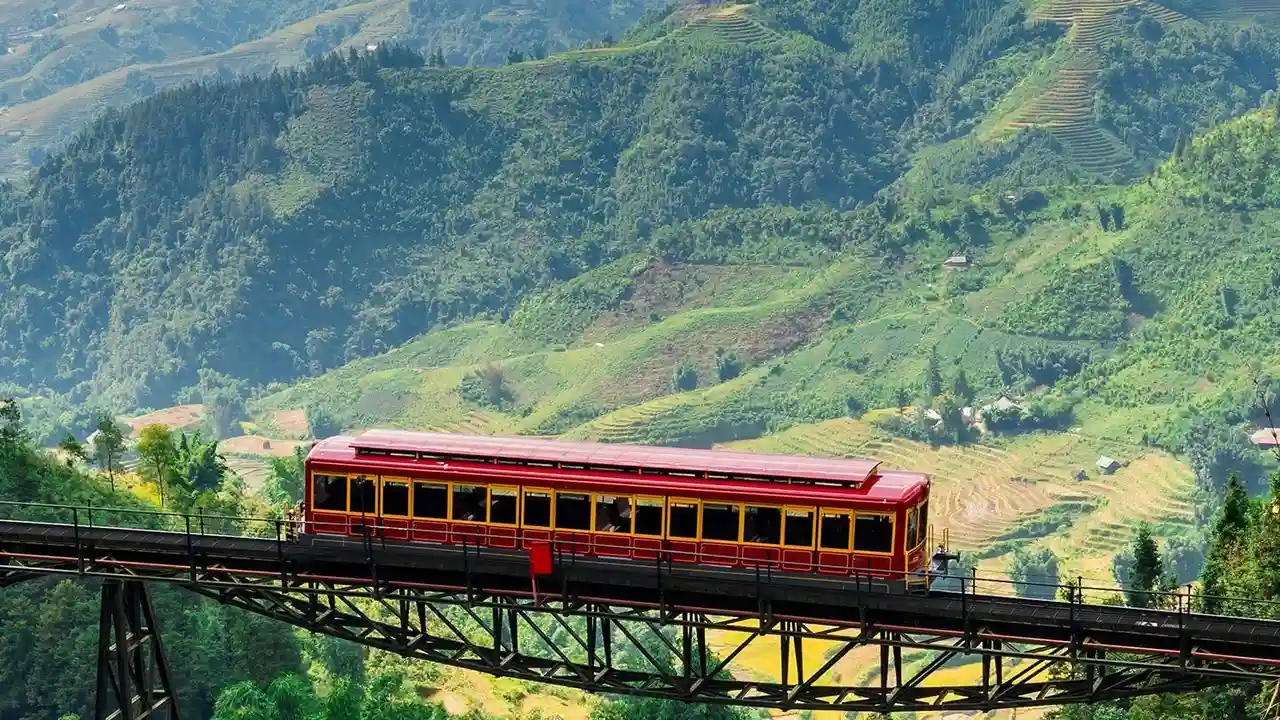
On July 8, 2008, UNESCO officially recognized the Kalka-Shimla Railway as a World Heritage Site, citing it as an outstanding example of a hill passenger railway that is still operational. This isn't a relic preserved in amber; it's a living, breathing part of the local infrastructure. The line continues to serve communities along its 18 stations, transporting residents, goods, and, of course, curious travelers. While the historic charm is meticulously maintained, there have been modern upgrades. The introduction of Vistadome coaches with glass roofs and wider windows offers passengers panoramic views of the stunning Himalayan scenery, blending heritage with enhanced comfort. Recent safety upgrades, such as new air-brake systems, have also been implemented to ensure the line's continued viability.
The Soul of the Journey
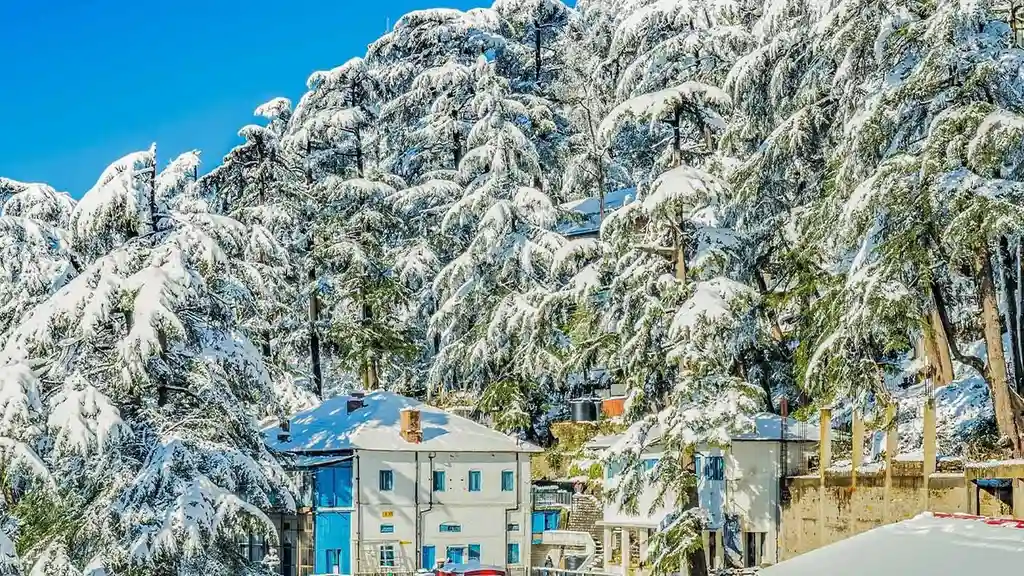
More than the numbers of tunnels or bridges, the journey's soul lies in its unhurried rhythm. The train winds through more than 900 curves, passing through quaint stations like Dharampur, Solan, and Barog, where life seems to move at a different pace. As the train climbs higher, the air cools and the landscape transforms from scrubby foothills to fragrant pine and deodar forests. The journey to Shimla, the 'Queen of Hills', is not just about reaching the destination at 2,076 meters, but about the transition itself. It is a rare opportunity to disconnect, to watch the world unfold slowly, and to appreciate an engineering and cultural legacy that has stood the test of time.