







From Italian Royalty to Your Face Cream
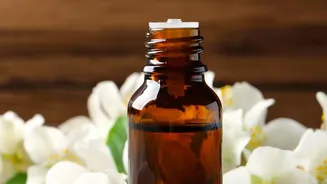
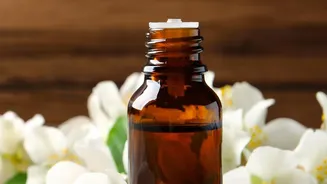
Neroli oil is an essential oil extracted from the blossoms of the bitter orange tree, also known as Citrus aurantium var. amara. Though the tree is native to Southeast Asia, it was introduced to the Mediterranean centuries ago, where it thrived. The oil gets
its elegant name from a 17th-century Italian princess, Anne Marie Orsini of Nerola. She famously loved the scent, using it to perfume her gloves and bathwater, which helped popularize it among European nobility. The extraction process itself is incredibly labour-intensive; it involves steam distilling thousands of delicate white flowers to produce even a small amount of oil, which is why it has always been considered a precious and luxurious ingredient.
The Science of the Scent
The distinct aroma of neroli—a mix of sweet, floral, and citrus notes—comes from its complex chemical makeup. Key components include linalool, linalyl acetate, and limonene. Linalool, which often makes up the largest portion of the oil, is a compound widely studied for its calming and sedative properties. This is the scientific reason behind neroli's most celebrated benefit: its ability to promote relaxation. Limonene contributes to the fresh, citrusy aspect of the scent. It's this specific blend of natural compounds that gives neroli its therapeutic potential, making it more than just a pretty fragrance.
A Genuine Tool for a Stressed-Out Mind
Of all the claims made about neroli, its effect on stress and anxiety is the most supported by evidence. When inhaled, compounds like linalool can interact with the body's nervous system. Several small studies have shown that aromatherapy with neroli oil may help reduce levels of cortisol, the body's primary stress hormone. One study involving postmenopausal women found that inhaling neroli oil helped relieve some of their symptoms, including lowering blood pressure and reducing feelings of stress. While it is not a cure for anxiety or depression, using neroli oil in a diffuser or inhaling it from a cotton ball can be a genuinely effective way to create a sense of calm and support emotional well-being.
What Can It Realistically Do for Your Skin?
In skincare, neroli is often marketed with grand promises of reversing ageing. The reality is more modest, but still useful. Scientific studies indicate that neroli oil possesses antimicrobial, antifungal, and antioxidant properties. Its antimicrobial nature may help reduce the bacteria that contribute to acne breakouts, making it a plausible spot treatment when properly diluted. The antioxidants it contains can help protect the skin from damage caused by environmental stressors, which is a real, tangible benefit for long-term skin health. Some sources also suggest it can help stimulate skin cell regeneration, which may improve the appearance of scars and fine lines over time, but think of it as a supportive ingredient, not a miracle worker.
How to Use It Without the Hype
To get the most out of neroli oil, it’s important to use it safely. Essential oils are highly concentrated and should never be applied directly to the skin. For topical use, it must be diluted in a 'carrier oil' like jojoba, sweet almond, or even olive oil. A safe dilution is typically a few drops of essential oil per ounce of carrier oil. Before applying it more widely, always do a patch test on a small area of skin to check for irritation. For its calming mental benefits, simply add a few drops to an essential oil diffuser or put a drop on a handkerchief to inhale when you need a moment of peace.