



The Science of Unstable Ground
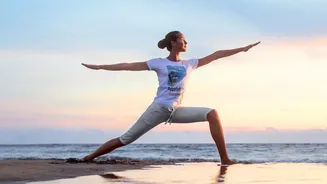
Practicing Tai Chi on a flat, solid floor is predictable. Your body knows what to expect. But take that same practice to the beach, and everything changes. The shifting, uneven surface of sand creates a constant stability challenge. This environment forces
your body to make thousands of tiny, rapid corrections to maintain balance. This process is known as proprioception—your body's ability to sense its own position in space. Training on an unstable surface like sand enhances this sense, making your movements more coordinated and your reflexes more efficient. Every slow, deliberate step in a Tai Chi form becomes an intense conversation between your feet and your brain.
A Deeper Core and Lower Body Workout
The constant need to stabilize on sand activates muscles that are often underused during conventional exercise. While Tai Chi is already known for building core strength, the beach amplifies this effect significantly. The deep stabilizing muscles of your abdomen, back, and hips have to work overtime to keep you upright as the ground shifts beneath you. Likewise, the smaller muscles in your ankles, feet, and calves are called into action, building resilience and strength from the ground up. This not only leads to better muscle tone but can also help prevent common injuries like ankle sprains by making these areas more robust.
Enhancing the Mind-Body Connection
Tai Chi is often described as 'meditation in motion' because of its focus on mindful movement and breath. The added challenge of a sandy surface can actually deepen this meditative state. Because you can't rely on a stable foundation, you are forced to be more present and focused on each and every movement. This heightened awareness can quiet the mental chatter and foster a stronger connection between mind and body. Paired with the natural, rhythmic sounds of the waves and the fresh ocean air, the practice becomes a holistic experience, reducing stress and promoting mental clarity.
Tips for Your First Beach Practice
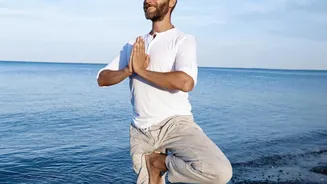
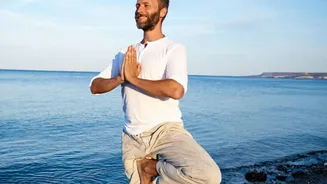
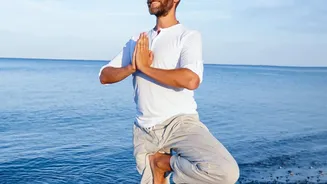
Ready to give it a try? Start slowly and mindfully. Begin on the firmer, wet sand near the water's edge, which offers more support than deep, soft sand. It’s best to practice barefoot to maximize the sensory feedback from your feet. Focus on foundational stances and slow, controlled weight shifts before moving into more complex forms. It’s important not to lock your knees and to allow for a natural, slight bend in your standing leg. If you feel unstable, widen your stance or reduce the range of motion. The goal is to feel challenged, not overwhelmed. Always listen to your body; if you feel pain, stop immediately.
More Than Just a Workout
The benefits of taking your practice to the shore extend beyond muscle engagement and balance. Being outdoors in a natural environment has its own well-documented positive effects on well-being. Exposure to fresh air and sunlight boosts Vitamin D levels and can improve your mood. The calming sounds of the ocean can help synchronize your breathing, enhancing relaxation and focus. Combining the physical rigour of an unstable surface with the mental calm of a natural setting transforms your Tai Chi session from a simple exercise into a comprehensive wellness practice for body and mind.