




The Expressway Effect
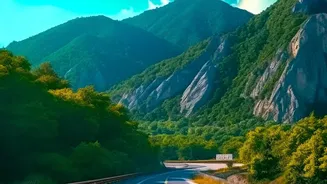
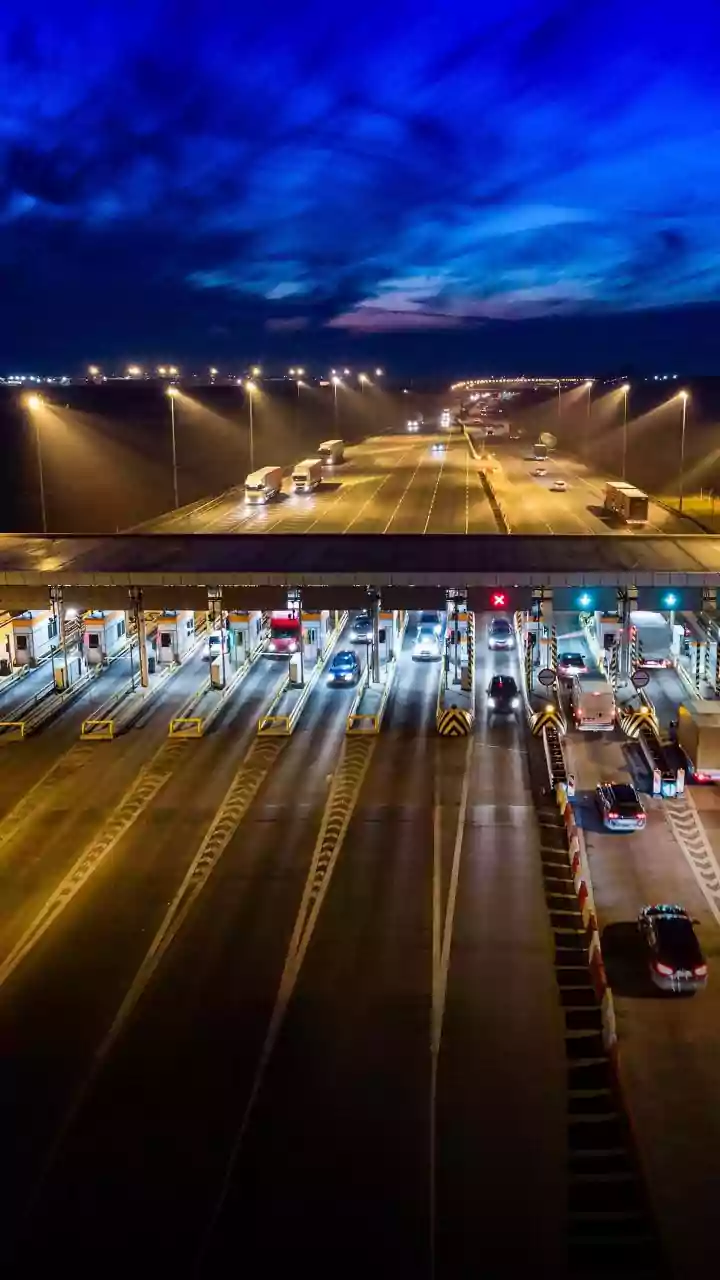
The single biggest catalyst for this change is India's rapidly expanding road network. Over the last decade, a massive push in constructing expressways and national highways has dramatically cut down travel times and made previously remote regions accessible.
Corridors like the Delhi-Mumbai Expressway and the Ganga Expressway are not just feats of engineering; they are economic and cultural arteries that are reshaping the country's travel map. A journey that once took a gruelling 24 hours might now be completed in 12, making weekend trips to lesser-known destinations a viable option for many. This improved connectivity means travellers can now comfortably explore destinations that were once considered too difficult or time-consuming to reach by car.
The Rise of the 'Workation'
The pandemic-induced shift to remote and hybrid work has fundamentally altered how many Indians approach travel. The 'workation' — a portmanteau of work and vacation — has moved from a niche concept to a mainstream trend, especially among young professionals. Armed with laptops and reliable internet, a growing number of people are swapping city apartments for longer stays in the hills or by the sea. This isn't about a one-week holiday; it's about spending weeks or even months working from a scenic location, be it a quiet homestay in Uttarakhand or a cafe in a Goan village that isn't on the main tourist drag. This trend fuels the need for routes that lead to peaceful, connected, and inspiring environments rather than just crowded attractions.
Beyond Sightseeing to Soul-Searching
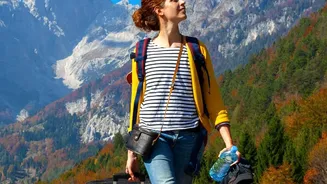
Today’s road-tripper is often looking for more than just a checklist of sights. There is a growing appetite for authentic, experiential travel. Instead of five-star hotels, many now seek out family-run homestays, local culture, and sustainable experiences. Social media, while often blamed for over-tourism, has also played a role in popularising offbeat destinations like Ziro Valley in Arunachal Pradesh or the serene tea gardens of Munnar. Travellers are increasingly drawn to the 'road less travelled,' seeking unique stories and a genuine connection with the places they visit, a trend that naturally leads them away from the heavily commercialised holiday routes. Searches for such offbeat destinations have seen a significant spike post-pandemic, indicating a clear shift in traveller preference.
A New Lifeline for Small-Town India
This diversification of travel routes has a profound economic impact. When a road-tripper bypasses a major tourist hub in favour of a smaller village, their spending directly benefits the local community. This new wave of domestic tourism supports homestay owners, small cafe operators, local artisans, and guides in areas previously untouched by tourist revenue. The improvement of rural roads under schemes like the Pradhan Mantri Gram Sadak Yojana (PMGSY) has been instrumental, connecting villages and enabling local economies to thrive by linking them to larger markets and, now, a new stream of curious travellers. This creates sustainable local employment, reducing the need for migration to cities and helping preserve regional culture.