




The Vise of Economic Sanctions
At the heart of the US strategy is a sweeping sanctions regime designed to cripple Iran's economy and force it to alter its foreign and nuclear policies. These sanctions are not a new tool, but their recent application has been particularly intense, targeting
everything from Iran's vital oil exports to its access to the international financial system. On July 29, 2026, the US Treasury's Office of Foreign Assets Control (OFAC) designated firms tied to what it called an IRGC-backed extortion scheme in the Strait of Hormuz. A day later, it sanctioned a global support network for Mahan Air, an Iranian airline accused of transporting weapons and personnel for the Islamic Revolutionary Guard Corps (IRGC). These actions aim to cut off funding for Iran's military and regional proxies. While the stated goal is to bring Tehran to the negotiating table, the sanctions have also had a profound impact on the country's economy and its civilian population, creating a high-stakes environment where any diplomatic misstep has severe consequences.
The Flashpoint of Global Shipping
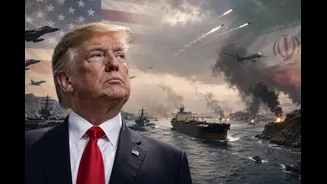
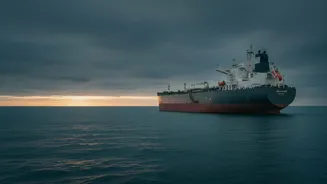
The Strait of Hormuz, a narrow waterway through which a significant portion of the world's oil flows, has become a primary arena for Iran's pushback against US pressure. When sanctions tighten, tensions in the strait often escalate. In recent days, maritime security has been on high alert. On August 2nd and 3rd, 2026, multiple commercial vessels reported incidents near the Omani coast, including threats, explosions, and warning shots. One cargo vessel reported being struck by an unknown projectile on August 3rd. These events follow a pattern where Iran uses its strategic position to harass or interfere with commercial shipping, demonstrating its ability to disrupt global trade in retaliation for economic pressure. This creates a perilous cycle: sanctions lead to maritime incidents, which in turn can provoke a military response and further derail any diplomatic efforts. While Iran denies direct talks with the US, it has confirmed negotiations with Oman over managing passage through the strategic strait.
The Ticking Clock of Nuclear Enrichment
The third and most critical element is Iran's nuclear program. After the US withdrawal from the 2015 Joint Comprehensive Plan of Action (JCPOA), Iran began progressively breaching the deal's limits on its nuclear activities. This includes enriching uranium to 60%, a level very close to the 90% needed for a nuclear weapon and far beyond what is required for civilian power generation. This advancement significantly shortens the 'breakout time'—the period it would take for Iran to produce enough weapons-grade material for a bomb. The International Atomic Energy Agency (IAEA) has repeatedly raised concerns, stating that without full access and cooperation from Iran, it cannot provide assurance that the country's nuclear program is exclusively peaceful. Although the U.S. Intelligence Community assesses that Iran is not currently building a weapon, its advanced capabilities mean it is better positioned to do so if it chooses. This nuclear progress provides Tehran with powerful leverage but also raises the stakes for regional rivals and the international community, making the possibility of military conflict a constant threat.
An Interlocked Impasse
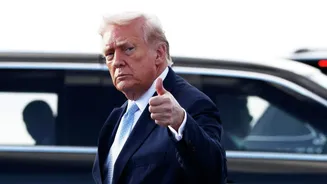
These three issues—sanctions, shipping, and enrichment—do not exist in isolation. They are deeply interlocked in a cycle of escalation. For example, the US imposes new sanctions to punish Iran for its nuclear advancements. In response, Iran might harass shipping in the Strait of Hormuz or announce a further increase in its uranium enrichment. This creates an environment where diplomatic overtures are fraught with mistrust and conflicting signals. In early August 2026, US President Donald Trump spoke of new talks being Iran's 'last chance,' while Tehran denied any direct negotiations were planned with Washington. A Memorandum of Understanding from June 2026 appears to have collapsed following renewed Iranian attacks on shipping and subsequent US sanctions relief revocation. Each side is using its leverage in one area to counter pressure in another, resulting in a dangerous stalemate where neither is willing to back down first. Any potential resolution would require a comprehensive approach that addresses all three concerns simultaneously, a diplomatic feat that remains elusive.