







What is Blood-Sugar Variability?
You have likely experienced the rollercoaster: the energy spike after a sugary treat followed by a slump that leaves you feeling tired and irritable. This is blood-sugar variability in action. It refers to the fluctuations in your blood glucose levels
throughout the day. While some fluctuation is normal as your body processes food and uses energy, large, rapid swings are not ideal. These dramatic peaks and valleys can affect your mood, energy, and concentration in the short term. Over time, high glycemic variability is considered a risk factor for developing metabolic issues. The goal isn't to have a flat line, but rather gentle, rolling hills, indicating your body is managing its energy supply smoothly and efficiently.
Why Steel-Cut Oats Are Different
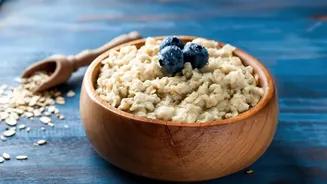
Not all oats are created equal. The difference between steel-cut, rolled, and instant oats lies in the processing. Steel-cut oats are whole oat groats that have simply been chopped into a few pieces with steel blades. This minimal processing leaves the grain largely intact. Rolled oats are steamed and flattened, while instant oats are pre-cooked, dried, and rolled even thinner. This structural integrity is key. Because they are less processed, steel-cut oats take longer for your body to break down. This slower digestion leads to a more gradual release of glucose into the bloodstream, which is reflected in their lower glycemic index (GI) score of around 53-55, compared to instant oats, which can be as high as 83.
The Power of Soluble Fiber
The secret weapon in steel-cut oats is a type of soluble fiber called beta-glucan. When you eat steel-cut oats, this fiber dissolves in water and forms a thick, gel-like substance in your digestive tract. This gel physically slows everything down—it slows the emptying of your stomach and the rate at which carbohydrates are absorbed into your bloodstream. This process is what helps prevent the sharp blood sugar spikes that can come from more refined carbohydrates. The high fiber content not only helps with blood sugar control but also contributes to feeling full and satisfied, which can help manage overall calorie intake.
Building a Truly Balanced Bowl
While steel-cut oats provide a fantastic carbohydrate base, eating them alone is only half the battle. To create a truly blood-sugar-friendly meal, you need to build a balanced bowl. Adding protein and healthy fats is crucial because they further slow down digestion and the absorption of glucose. Pairing carbohydrates with these other macronutrients flattens the glucose curve, preventing spikes and promoting stable energy for hours. This is why a bowl of plain oats will have a different effect on your body than a bowl of oats topped with ingredients that provide fat and protein. The combination is what creates a complete, stabilizing meal.
Smart Toppings and Add-Ins
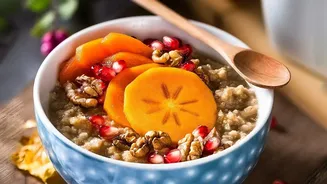
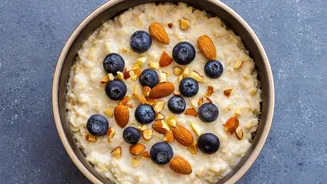
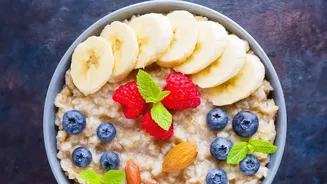
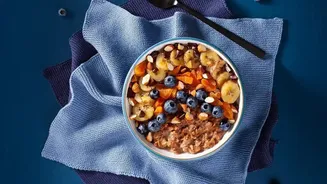
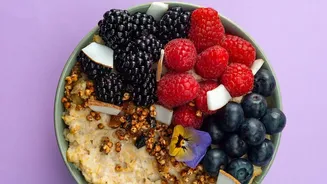
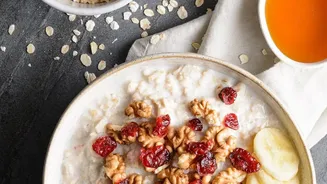
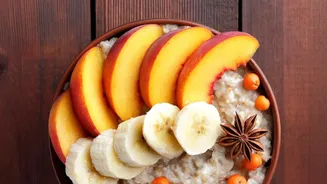
Transform your oatmeal from a simple carb to a balanced meal with the right additions. For protein, consider stirring in a scoop of Greek yogurt, a tablespoon of nut butter, or a sprinkle of protein powder. For healthy fats, top your bowl with a handful of walnuts, almonds, chia seeds, or flax seeds. These also add extra fiber. Berries are an excellent choice for a touch of sweetness, as they are low on the glycemic index and packed with even more fiber and antioxidants. Try to avoid piling on sugars like maple syrup or brown sugar, which can counteract the blood-sugar benefits. A dash of cinnamon can add flavor and has been shown to have a positive effect on blood sugar regulation.