


From Last Post to First Stop
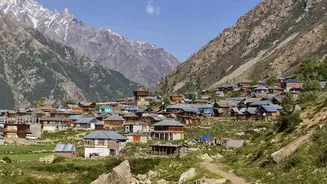
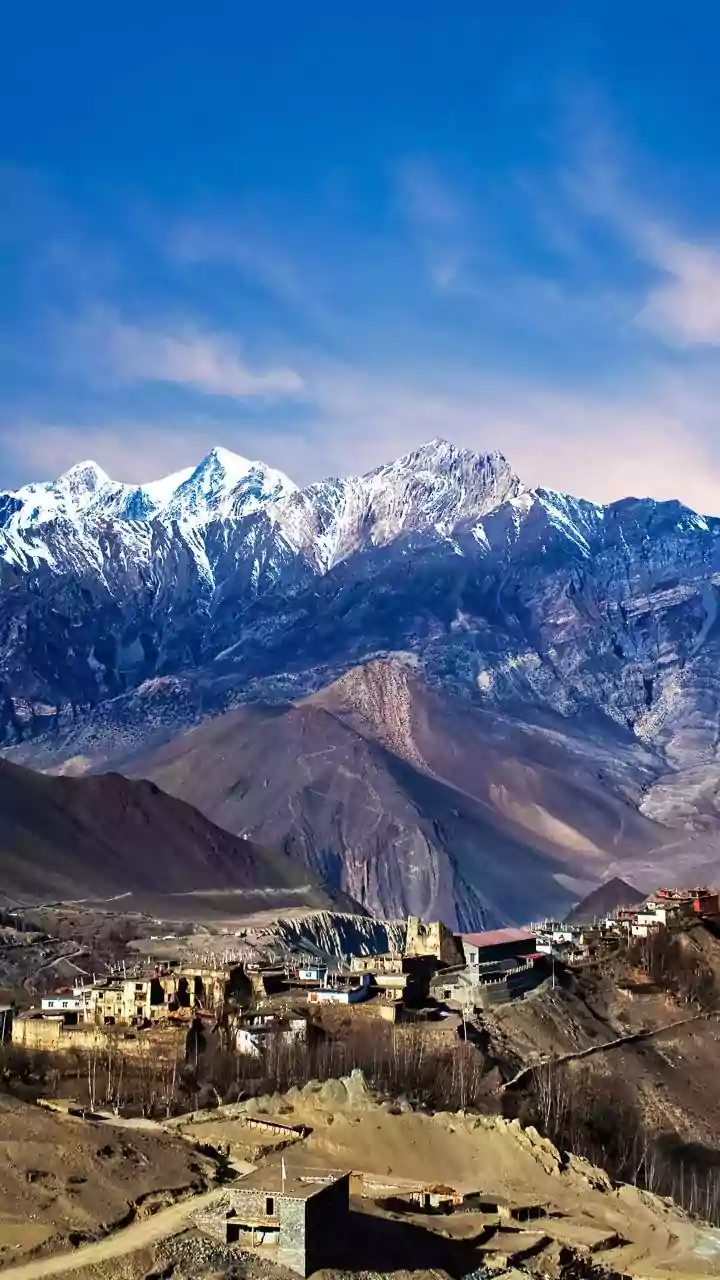
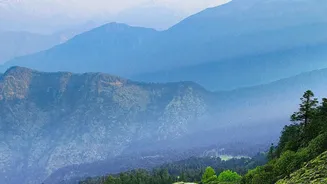
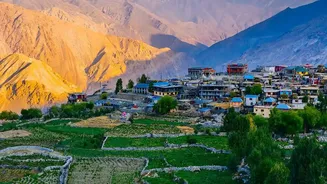
For decades, Mana was known as ‘the last Indian village’, a remote settlement at an altitude of over 10,000 feet, just a few kilometres from the Badrinath shrine. It was a geographical endpoint, a quiet home to the Bhotiya community with deep mythological
roots connected to the Mahabharata. It’s believed to be where the sage Vyasa dictated the epic. But a simple yet powerful rebranding, championed by Prime Minister Narendra Modi, changed everything. By calling it the ‘first Indian village’, the narrative shifted from an ending to a beginning. This masterstroke in marketing transformed Mana into a must-visit patriotic and spiritual destination, igniting a tourism boom that the village had never experienced before. Suddenly, a trip to Badrinath felt incomplete without continuing to the ‘first’ village, where India’s story begins.
The Double-Edged Sword of Popularity
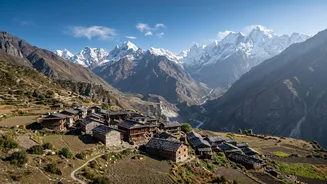
The new-found fame has been an economic blessing for many residents. What was once a village with a simple daily routine has rapidly transformed into a bustling commercial hub. Locals report that dozens of traditional stone houses have been converted into homestays, shops, and cafes to cater to the endless stream of tourists. This has created new employment opportunities, especially for women who sell handmade woollens and local products. However, this uncontrolled growth comes at a steep price. The very charm that draws people to Mana—its tranquillity and pristine Himalayan setting—is under threat. Recent incidents, including a viral video of tourists carelessly throwing waste into the sacred Saraswati River, have sparked national outrage. It highlighted a growing problem of pollution and a lack of civic sense among visitors, putting immense pressure on the village’s fragile ecosystem and limited resources.
An Authenticity Dilemma
With the explosion of commerce, Mana is grappling with an identity crisis. The core question is whether its unique culture is being celebrated or simply commodified. The Bhotiya people, with their distinct customs and traditions, have long been the stewards of this land. Now, their way of life is increasingly dictated by the tourist season. While the economic benefits are undeniable, there is a growing concern that the village is losing its soul, with authentic cultural experiences being replaced by transactional ones. The quiet lanes resonating with local life are now crowded with vehicles and visitors seeking the perfect photo opportunity at ‘India’s Last Tea Shop’. This tension between preserving a centuries-old heritage and chasing the tourist rupee is a dilemma that many residents are navigating daily. The risk is that Mana becomes a caricature of itself, a themed attraction rather than a living, breathing community.
A National Test Case
Mana’s challenges are not unique; they are a microcosm of a larger national strategy. The village is a key part of the Indian government's 'Vibrant Villages Programme', a major initiative aimed at developing border areas to improve infrastructure, create economic opportunities, and curb out-migration for strategic reasons. Tourism is a central pillar of this programme, which covers hundreds of villages across the northern frontier states. As one of the first and most visible examples, Mana’s experience serves as a crucial test case. How it manages to balance development with sustainability will offer important lessons for other sensitive border regions. The success of the Vibrant Villages Programme will not just be measured in economic growth or tourist numbers, but in whether it can create a model that empowers local communities without erasing their cultural and environmental heritage.