





What Exactly Is This 'Gunpowder'?
Gunpowder is the colloquial name for milagai podi, which literally translates from Tamil to 'chilli powder'. It’s a coarse, dry spice blend that serves as a condiment, a staple in countless homes across Tamil Nadu, Andhra Pradesh, Telangana, and Karnataka.
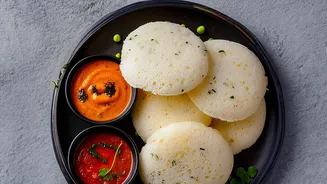
Far from being just a simple powder, it’s a carefully crafted mix of roasted lentils, seeds, and spices. Think of it as a dry chutney, ready to be deployed at a moment's notice. It’s most famously served alongside breakfast staples like soft idlis and crisp dosas. The traditional way to eat it is by creating a small well of the powder on your plate, pouring in a little gingelly (sesame) oil or melted ghee, and mixing it into a flavourful paste for dipping.
The Story Behind the Explosive Nickname
While its exact origin is debated, the nickname 'gunpowder' seems to have a few logical roots. The most common theory points to its fiery character. The blend gets its heat from a generous amount of dried red chillies, and the resulting 'explosive' flavour kick is thought to be the source of its moniker. Another theory suggests the name is a nod to its coarse, granular texture and reddish-brown, sand-like appearance, which might vaguely resemble actual gunpowder. Whatever the true reason, the name has stuck, adding a layer of intrigue to a beloved, everyday condiment. It’s a name that perfectly captures its power to instantly liven up any meal.
A Symphony of Toasted Ingredients
The magic of milagai podi lies in the alchemy of its ingredients, which are dry-roasted to unlock deep, nutty, and aromatic flavours. The foundational components are typically lentils like urad dal (split black gram) and chana dal (split chickpeas), which provide a nutty base and a satisfyingly coarse texture. Dried red chillies are crucial, lending both colour and heat, with the type of chilli used—from milder Kashmiri to fiery Guntur—dictating the spice level. Sesame seeds are another key player, adding their distinct toasty aroma and richness. A pinch of asafoetida (hing) provides a savoury, allium-like depth that ties everything together. This careful process of roasting and grinding creates a flavour that is simultaneously spicy, nutty, and deeply umami-rich.
Every Home, A Different Flavour
One of the beautiful things about podi is that there is no single, definitive recipe. It is a universe of variations, with each state, region, and even family having its own treasured version. Tamil Nadu versions often stick to a classic base of dals and sesame seeds. In Andhra Pradesh and Telangana, the podi is often spicier and may include garlic and coriander seeds. The Karnataka version, known as chutney pudi, might feature dried coconut and a touch of tamarind or jaggery for a sweet and sour note. Some recipes add peanuts for extra crunch, while others incorporate fragrant curry leaves or even nutritious additions like flax seeds. This diversity is a testament to the podi's role as a personal, adaptable staple of the South Indian kitchen.
More Than Just an Accompaniment
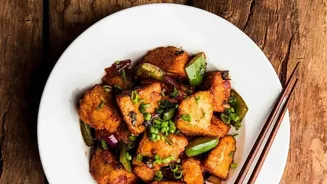
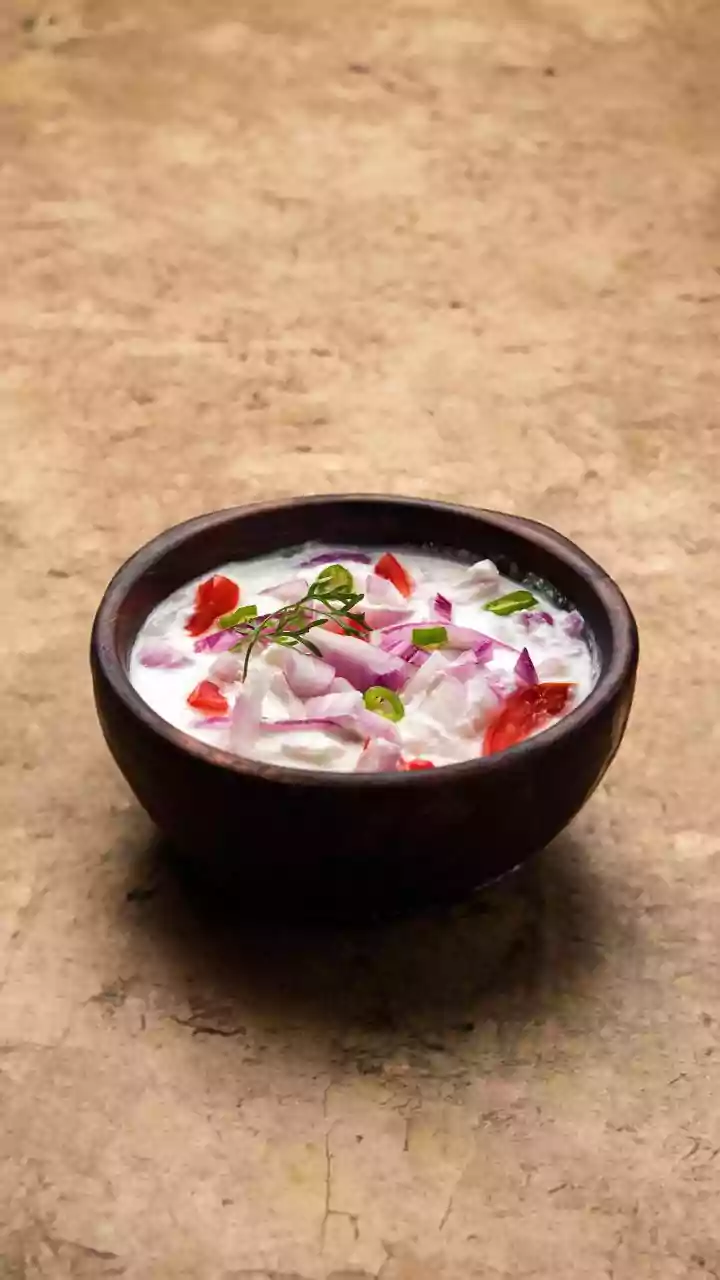
While its classic pairing is with idli and dosa, the uses for gunpowder extend far beyond the breakfast table. It’s an incredibly versatile ingredient that can add a punch of flavour to almost anything. Many South Indians enjoy it simply mixed with hot steamed rice and a dollop of ghee for a quick and comforting meal. But its modern applications are endless. You can sprinkle it over roasted vegetables, toss it with French fries, or use it to season a slice of avocado toast. Some cooks use it as a dry rub for meats or fish, while others stir it into yoghurt to create a quick raita. Its potent, complex flavour makes it a secret weapon for adding instant depth and excitement to a wide range of dishes.