
The Refreshing Tradition of Cooling Drinks
No Independence Day celebration in the thick of August is complete without a glass of something cool and refreshing. For generations, Indian households have relied on a roster of classic thirst-quenchers to stay hydrated and energized. Drinks like Nimbu
Pani, the simple yet effective Indian lemonade, and Chaas (buttermilk) seasoned with roasted cumin and black salt are timeless staples. These beverages are not just about beating the heat; they are an integral part of the culinary tradition, offering a moment of cool respite during a day of patriotic festivities. Another favourite is Aam Panna, a tangy drink made from raw mangoes, celebrated for its ability to replenish electrolytes lost in the summer heat.
A Patriotic Palette: Tri-Colour Sips
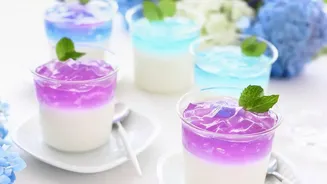
The visual appeal of the national flag often finds its way into the day’s cuisine, and drinks are no exception. Layered mocktails featuring saffron, white, and green are a common sight. These colourful concoctions are often achieved using natural ingredients. The saffron or orange layer might come from mango or orange juice, the white from lassi or a lemon-based drink, and the green from kiwi or a khus syrup. These drinks are especially popular at community events and family gatherings, adding a fun, patriotic flair to the beverage station while delighting both kids and adults.
The Sweet Shift to Festive Desserts
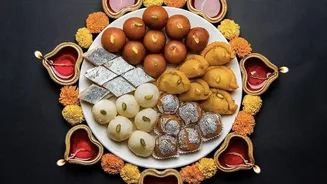
While refreshing drinks hold their ground, the modern Independence Day menu is seeing a significant expansion in the dessert category. No longer just an afterthought, sweets have become a centrepiece of the celebration. This trend is driven by a desire to make the occasion more indulgent and celebratory, moving beyond simple, everyday mithai to more elaborate and visually appealing creations. Food trends for 2026 point towards a blend of nostalgia and innovation, and this is clearly reflected in the Independence Day dessert spread, where traditional recipes are being presented with a modern, festive twist.
Tri-Colour on a Plate
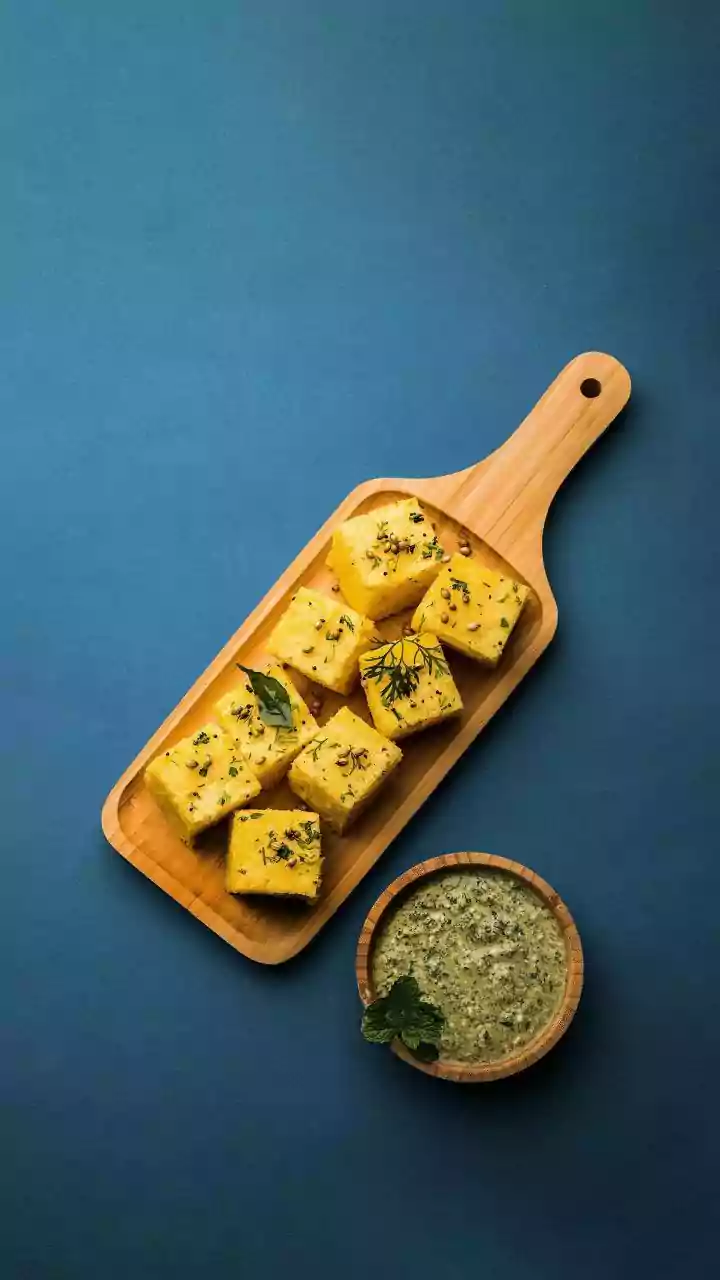
The most visible trend in festive sweets is the adoption of the tri-colour theme. Home cooks and chefs are using natural colouring agents to create stunning saffron, white, and green desserts. Popular choices include layered barfi made with carrot for orange and pistachio for green, or tri-colour idlis where the batter is tinted with carrot and spinach puree. Coconut ladoos are also easily adapted, with portions of the mixture being infused with saffron milk for the orange hue and ground pistachios for the green. Even savoury items like dhokla are given a patriotic makeover, with layers of batter coloured with tomato and spinach puree to create a visually striking and delicious snack.
Modern Twists and Fusion Flavours
Beyond the tri-colour theme, there is a growing interest in Indian fusion desserts that blend traditional tastes with contemporary formats. The 2026 food landscape shows an appetite for new experiences grounded in familiar flavours. This translates to creative desserts like Gulab Jamun cheesecake, Rasmalai cake, or even a Shahi Tukda made with croissants instead of bread. These innovative sweets offer a delightful surprise, combining the richness of classic Indian mithai with modern textures and presentation. This trend allows for more personal expression in the kitchen, making the celebratory meal a true reflection of both heritage and contemporary taste.