








What The Agreement Actually Means
The foundation of this enhanced cooperation is the Acquisition and Cross-Servicing Agreement (ACSA), which was signed in 2020 and came into force in July 2021. This agreement provides a legal and administrative framework for the armed forces of India
and Japan to provide each other with logistical support, supplies, and services. This isn't about offensive weapons or ammunition, which are explicitly excluded. Instead, it covers the essential, non-lethal nuts and bolts of military operations: things like fuel, water, food, transportation, spare parts, and access to bases. It streamlines the process for an Indian naval vessel to refuel at a Japanese port or for a Japanese maritime patrol aircraft to receive maintenance at an Indian airbase. More recent developments, including a Memorandum of Arrangement on Maritime Security Cooperation signed in August 2026, build upon this foundation, aiming to make cooperation even more operational.
Unlocking Strategic Ports and Bases
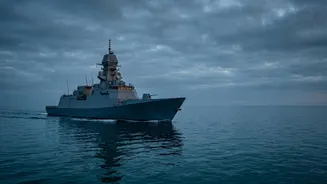
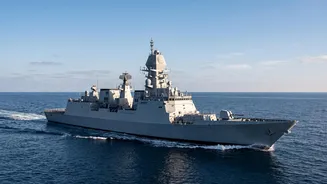
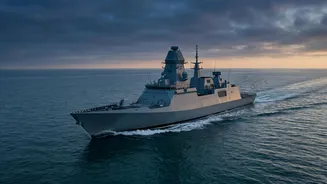
The core benefit of these agreements is reciprocal access. For the Indian Navy, this pact significantly extends its operational reach into the Western Pacific. The ability to use Japanese port facilities means Indian warships can sustain longer deployments far from their home bases without costly and time-consuming returns for supplies. Conversely, the Japan Maritime Self-Defense Force (JMSDF) gains more efficient access to Indian facilities, which is crucial for its operations in the vast Indian Ocean. This is particularly significant given India's strategically located bases, including the Andaman and Nicobar Islands, which sit near critical maritime chokepoints like the Strait of Malacca. The agreement facilitates naval visits, joint exercises, and mutual use of maintenance and repair facilities, effectively creating a shared logistical network across the Indo-Pacific.
A Counterweight in the Indo-Pacific
This logistical partnership is not happening in a vacuum. It is a direct response to shared concerns about maintaining a free, open, and rules-based Indo-Pacific. Both India and Japan have expressed opposition to unilateral actions that attempt to change the status quo by force and impede freedom of navigation, a thinly veiled reference to China's increasing assertiveness in the region. By enhancing interoperability, the two navies can work together more seamlessly, not just bilaterally but also within multilateral frameworks like the Quadrilateral Security Dialogue (Quad), which also includes the United States and Australia. The agreement allows for more complex and sustained joint military exercises, such as the Malabar, Dharma Guardian, and JIMEX series, building a more credible and coordinated maritime presence to ensure the security of vital sea lanes.
Beyond Military: Economic and Industrial Synergy
While the strategic angle is paramount, the cooperation also unlocks significant economic and industrial opportunities. The recent agreements specifically mention exploring joint development in naval shipbuilding and design. This arrangement could pair Japan's advanced technological expertise with India's growing manufacturing capabilities and ambitions under the 'Make in India' initiative. A reciprocal ship repair arrangement is also on the horizon, which would allow for greater use of Indian shipyards. Furthermore, the deal strengthens cooperation on Maritime Domain Awareness (MDA), improving information sharing that is vital for everything from anti-piracy operations to humanitarian assistance and disaster relief (HADR). This creates a more resilient and responsive security architecture that benefits commercial shipping and regional stability.