

A Pancake Unlike Any Other
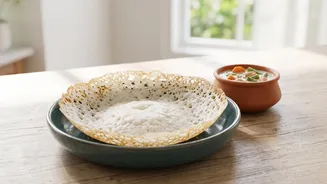
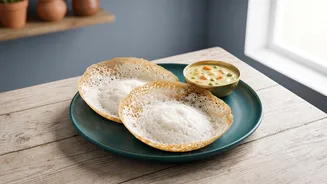
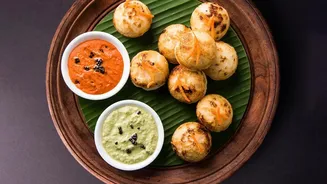
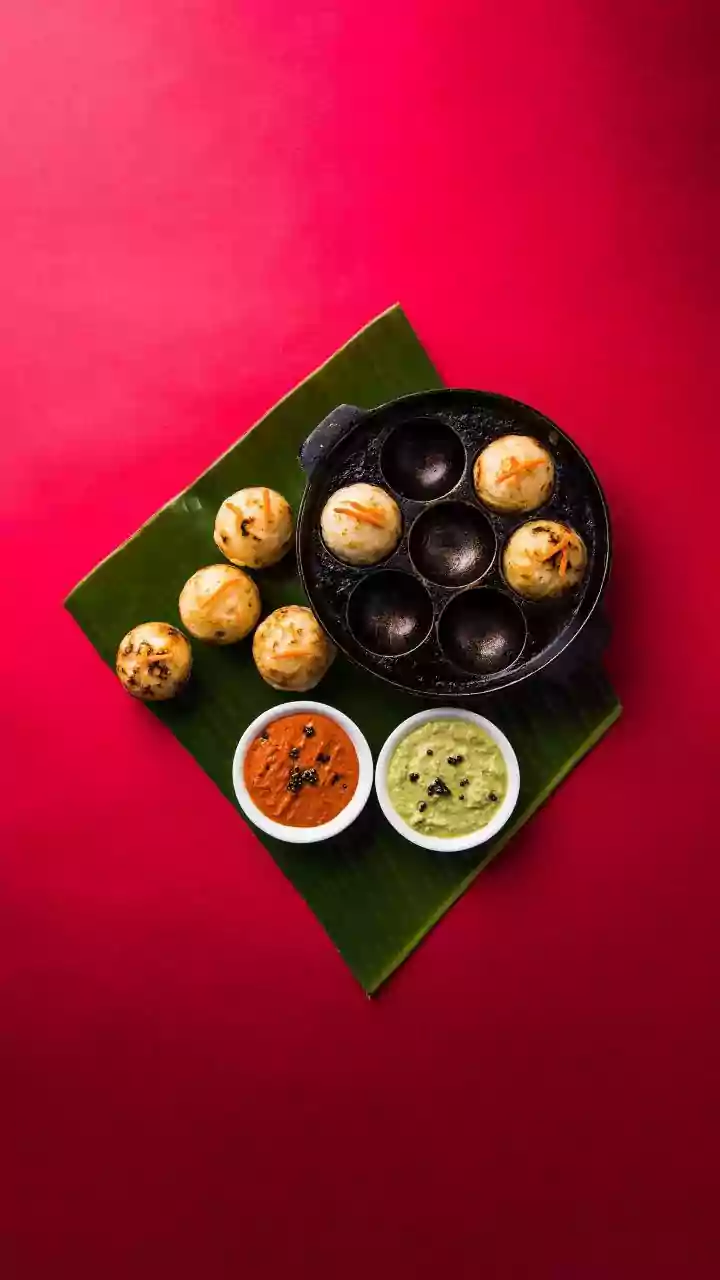
Hailing from the southern Indian states of Kerala and Tamil Nadu, the appam is a culinary icon. While often compared to a pancake, it defies easy categorization. Unlike a flat dosa, an appam is cooked in a special curved pan called an 'appachatti', which
gives it a unique bowl shape. This isn't just for aesthetics; the form is fundamental to its function. The batter pools in the centre, creating a thick, pillowy heart, while spreading thinly up the sides to form paper-thin, crispy edges. It's a breakfast and dinner staple, but its history is rich and varied, with some historians tracing its origins to early Jewish settlers in India, while ancient Tamil poetry also makes mention of it. Known as a 'hopper' in Sri Lanka, this versatile dish has travelled across cultures, becoming a beloved comfort food.
The Magic of Fermentation
The secret to the appam's signature texture and taste lies in its batter. The primary ingredients are simple: ground rice and coconut. What transforms them is the magic of fermentation. Traditionally, the leavening agent was 'toddy', a mildly alcoholic sap from coconut palm trees, which imparted a distinctive sweet and sour note. Today, with toddy being harder to find, many recipes use yeast, and sometimes a bit of sugar, to kickstart the process. The batter is left to ferment for several hours, often overnight, until it becomes bubbly and light as air. This crucial step creates the air pockets that result in a spongy centre and gives the appam a delightful, subtle tang that sets it apart from other rice-based creations like the unfermented neer dosa.
Built for the Scoop
The true genius of the appam is its structure. The bowl shape isn't an accident; it's an intentional design that makes it the ultimate vehicle for rich, saucy dishes. The soft, absorbent centre acts like a sponge, soaking up every drop of curry, while the crispy, brittle edges provide a contrasting crunch. You can tear off pieces of the lacy fringe to dip, or use the entire appam as an edible bowl, filling its soft core with a generous spoonful of stew. This combination of textures—crispy, soft, and spongy—in a single bite is what makes eating an appam such a satisfying experience. It’s a pancake that does more than just sit on the plate; it actively participates in the meal.
Perfect Partners on a Plate
While an appam is delicious on its own, it truly shines when paired with the right accompaniment. In Kerala, a classic and beloved partner is a fragrant vegetable stew, a mild and creamy curry made with mixed vegetables simmered in coconut milk. Another popular choice is kadala curry, a heartier dish made with black chickpeas in a spiced coconut gravy. For non-vegetarians, chicken or mutton stew, egg roast, and fish molee (fish in a gentle coconut sauce) are all traditional pairings. On the sweeter side, appam can be served simply with sweetened coconut milk, making it a treat for any time of day. The mild sweetness of the appam complements both savory and sweet dishes, making it incredibly versatile.