

An Ancient Practice Reimagined
Foraging for food is anything but new in India. For centuries, indigenous and forest-dwelling communities have relied on the bounty of the wild for sustenance and medicine. This traditional knowledge, passed down through generations, forms the bedrock
of countless regional cuisines. What's changing is that contemporary chefs are now turning to these ancient pantries, not as a novelty, but as a way to reconnect with food at its most fundamental level. They are venturing into forests and partnering with local communities to discover ingredients that tell a story of a specific place and season. This revival isn't about creating an exclusive trend but about celebrating the incredible biodiversity that thrives just beyond our cultivated fields and understanding ingredients in their natural environment.
A Taste of the Indian Wilderness
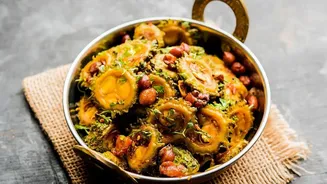
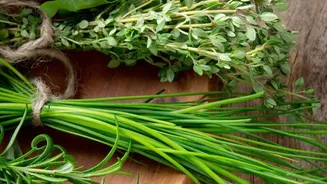
The flavours being rediscovered are as diverse as India's landscapes. In the Himalayan states, chefs and home cooks treasure lingri or fiddlehead ferns, the tightly coiled shoots of a young fern that appear briefly during monsoon and spring. Often prepared simply to preserve their crisp texture and earthy taste, they are a seasonal delicacy. From central India comes the mahua flower, a naturally sweet blossom traditionally used by tribal communities. Beyond its use in local beverages, chefs are now incorporating it into desserts, sauces, and even savoury dishes for its unique honey-like sweetness. Other foraged treasures making their way onto menus include sea buckthorn from Ladakh, wild mushrooms from forest floors, and an array of wild greens like takla from Maharashtra, each bringing a unique taste and texture that cannot be replicated by farmed produce.
Chefs Leading the Charge
A new generation of Indian chefs is championing this ingredient-first philosophy. Chef Prateek Sadhu, at his restaurant NAAR in Himachal Pradesh, builds his menu around foraged Himalayan produce, from wild berries to seasonal herbs. Similarly, Chef Vanika Choudhary of Mumbai's Noon uses her platform to spotlight ingredients like foraged wild garlic (skotse) from Ladakh and a variety of regional ferments. These chefs are not just cooking; they are acting as culinary archivists, preserving flavours and techniques that might otherwise be lost. Their work involves building deep relationships with local farmers and foragers, ensuring that the ingredients are sourced with respect and knowledge.
The Perils of Popularity
The headline's caution against turning foraging into 'hype' is a critical one. When a wild ingredient becomes trendy, it risks over-commercialisation and unsustainable harvesting, which can damage delicate ecosystems and exploit the very communities that have been its traditional custodians. The United Nations has noted a decline in wild food species globally due to factors like rapid urbanisation and monoculture. Responsible foraging is about restraint; it means taking only what is abundant and leaving enough for the ecosystem to regenerate. It also means giving credit and fair compensation to the indigenous communities whose knowledge is invaluable. The goal is to create a win-win situation, where chefs get unique ingredients and local communities find a sustainable livelihood without depleting their natural resources.