




What Exactly Is El Niño?
El Niño, which means 'Little Boy' in Spanish, is a climate pattern defined by the unusual warming of surface waters in the eastern and central equatorial Pacific Ocean. Normally, strong trade winds blow from east to west, pushing warm water towards Asia.
During an El Niño event, these winds weaken, causing the warm water to shift eastward, away from Asia and toward the Americas. This change might seem distant, but it disrupts atmospheric circulation patterns globally, influencing weather worldwide. For India, the connection is critical: El Niño events are historically linked to weaker monsoon seasons. The World Meteorological Organization (WMO) and other global agencies have warned that the El Niño event that began developing in June 2026 is intensifying rapidly and is expected to become strong, potentially even a 'Super El Niño', later in the year.
The Forecast for India's 2026 Monsoon
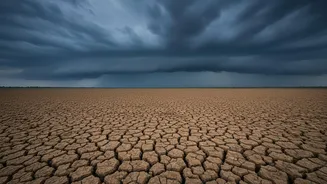
The outlook is concerning. The India Meteorological Department (IMD) has already forecast "below-normal rainfall" for the second half of the monsoon season, covering August and September 2026. In its latest updates, the IMD projected seasonal rainfall to be around 90% of the Long Period Average (LPA), with a 60% probability of a deficient monsoon. As of early August 2026, the cumulative rainfall deficit for the season already stood at 12% below average. This aligns with warnings from the WMO, which anticipates drier-than-normal conditions over the Indian subcontinent as the El Niño strengthens. While not every El Niño leads to a drought in India, a strong one dramatically increases the probability.
From Fields to Kitchen Tables
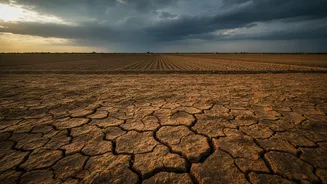
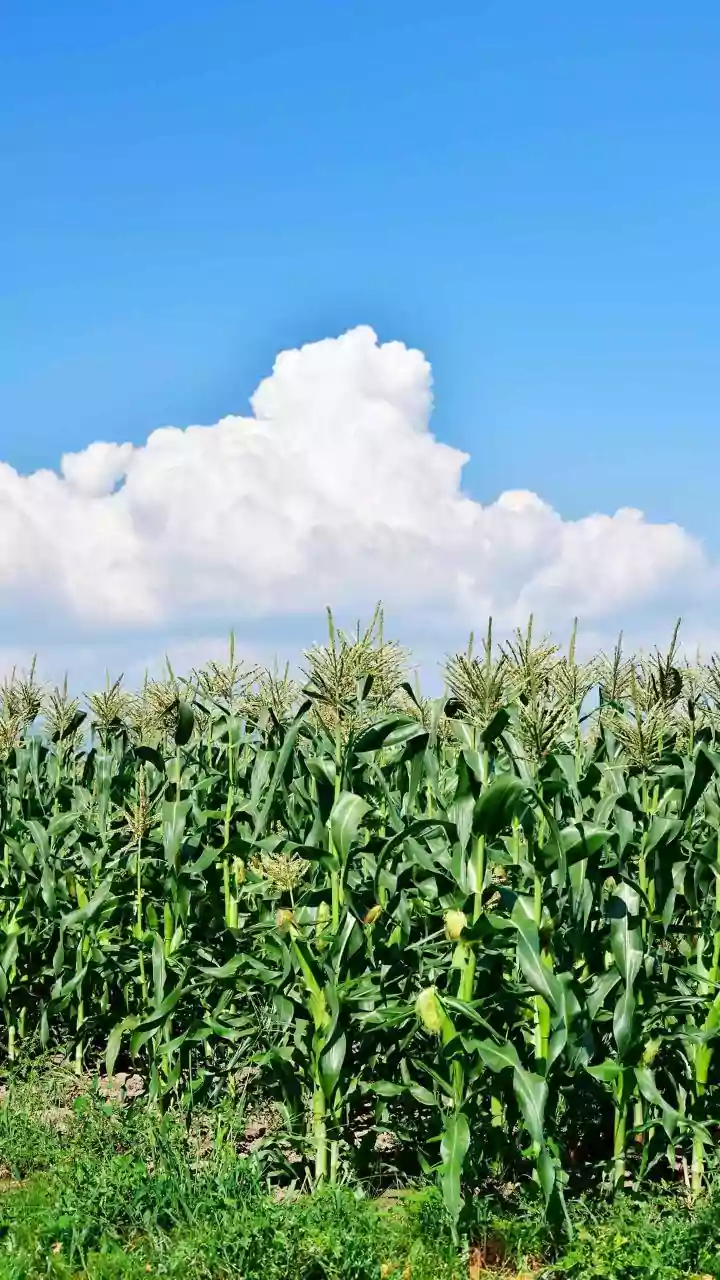
The most immediate and severe impact of a weak monsoon is on agriculture. Nearly half of India's farmland is rain-fed, making it highly dependent on seasonal rains for kharif crops like rice, soybean, maize, and cotton. A deficit in rainfall can lead to delayed sowing, reduced soil moisture, and heat stress on crops, ultimately causing lower yields. This has a direct impact on the livelihoods of millions of farmers and can threaten the nation's food security. During past strong El Niño events, India has experienced significant drops in food grain production. The consequences quickly spill over to household budgets, as lower agricultural output puts upward pressure on food prices, driving inflation that affects every citizen.
The Economic Domino Effect
The ripples of a poor monsoon extend far beyond the agricultural sector. Reduced farm incomes lead to a slump in rural demand for a wide range of goods, from tractors and fertilisers to consumer products and two-wheelers. This slowdown in rural consumption can drag down the country's overall GDP growth. Furthermore, a weak monsoon depletes water levels in major reservoirs, affecting drinking water supplies and the generation of hydropower. Simultaneously, hotter and drier conditions often increase the demand for electricity as reliance on irrigation pumps and air conditioning grows, straining the power grid. Analysts warn that the economic toll of a significant El Niño event could be substantial, with some estimates suggesting it could cost the Indian economy over a trillion dollars in accumulated losses over several years.
Bracing for a Drier Season
Recognising the heightened risk, Indian authorities are preparing for the potential fallout. The central government has reportedly flagged around 150 to 200 districts as vulnerable to El Niño's impact and has initiated an overhaul of contingency plans. These plans focus on strategies to manage a challenging kharif season, including promoting drought-resistant crop varieties and implementing water conservation measures. The IMD is providing regular updates to help stakeholders, from farmers to policymakers, make informed decisions. While a poor monsoon cannot be prevented, proactive measures and strategic planning can help mitigate its most severe impacts on agriculture, water resources, and the wider economy.