




The New Arteries of a Nation on the Move
A quiet revolution is unfolding across India, paved with asphalt and connected by new railway lines and airports. Ambitious government initiatives are creating a web of modern infrastructure designed to boost economic growth and, as a powerful side effect,
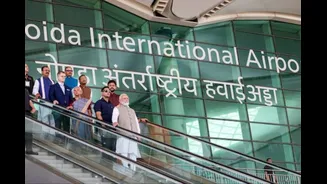
fundamentally alter how Indians travel. Projects like the Bharatmala Pariyojana, which aims to build tens of thousands of kilometres of highways, are creating new economic corridors and expressways. These are not just roads; they are arteries of a new kind of tourism, cutting travel times between major cities and remote destinations from days to mere hours. Alongside this, the UDAN (Ude Desh ka Aam Nagrik) scheme is expanding air connectivity to underserved tier-II and tier-III cities, bringing once-distant locations onto the national aviation grid. This dual push on road and air travel is making multi-destination trips, once a logistical challenge, a much simpler reality.
Journeys of Faith, Reimagined
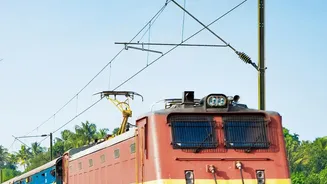
For millions, pilgrimage is a cornerstone of life in India, but these journeys have often been arduous. Improved connectivity is dramatically changing this experience. The expansion of the Vande Bharat train network has been a game-changer, improving access to major spiritual centres like Varanasi, Ayodhya, Tirupati, and Shirdi. Similarly, new expressways are creating dedicated 'tourism corridors'. Upcoming projects like the Char Dham Mahamarg in Uttarakhand and the Somnath-Dwarka Expressway are specifically designed to streamline spiritual travel. For example, the proposed corridor to Somnath could cut the travel time from Delhi by nearly half. This isn't just about convenience; it is transforming the entire ecosystem around these sites. Better accessibility is leading to better public infrastructure, organised visitor facilities, and new economic opportunities for local communities in cities like Puri, Ujjain, and Rameswaram.
Into the Wild, With Greater Ease
It’s not just spiritual journeys that are being reshaped. India’s magnificent wildlife sanctuaries and national parks are also becoming more accessible. Expressways now function as corridors linking urban centres to nature reserves. The Delhi-Mumbai Expressway, for instance, connects travellers to wildlife destinations like Ranthambore and Sariska, making weekend getaways and combined heritage-wildlife trips more feasible. Similarly, the Samruddhi Mahamarg provides easier access to areas near the Ajanta and Ellora caves, integrating natural and historical tourism. This enhanced connectivity, part of thematic circuit development under schemes like Swadesh Darshan, allows for more sustainable tourism by distributing visitors across a wider range of parks and reserves. As a result, previously overlooked regions are entering the mainstream travel circuit, creating new opportunities for eco-tourism and wildlife lodges.
Beyond Convenience: Economic and Social Shifts
The impact of this connectivity boom extends far beyond shorter travel times. It is catalysing a wave of economic activity and social change. The increased flow of tourists creates jobs not just in hotels and transport, but for local guides, artisans, and small business owners. In many rural and remote areas, tourism is becoming a vital source of income, fostering local entrepreneurship and reducing the need for migration to urban centres. The ease of travel is also changing tourist behaviour. Families are now more likely to travel together on pilgrimages, and they expect better accommodation and organised public spaces. This rising demand is encouraging investment in hospitality, with branded hotels and organised homestays appearing in places that were previously off the beaten path, driving regional development.