






The Scale of the Stoppage
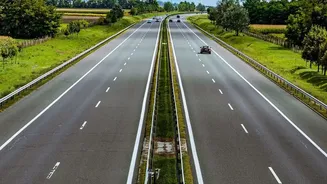
The promise of smooth, fast-moving highways connecting the nation is a cornerstone of India's infrastructure goals. However, the reality on the ground is one of persistent delays. According to recent figures presented to Parliament, 629 out of 1,191 active
National Highway (NH) projects have missed their original completion dates. This means over 53% of the country's highway construction is lagging, a figure that highlights systemic challenges in project execution. The delays are widespread, affecting numerous states, with Maharashtra, Karnataka, and Uttar Pradesh leading in the number of delayed projects. Some smaller states report an even higher percentage of setbacks, with nearly all their highway programs overshooting deadlines.
The Primary Hurdle: Land Acquisition
Ask any expert or government official, and one reason for delays stands out above all others: land acquisition. Before a single kilometre of road can be paved, the government must acquire vast stretches of land, often from thousands of individual owners. This process is fraught with complications, including legal disputes over compensation, the complex task of rehabilitating displaced populations, and local opposition. Even with digital platforms like the BhoomiRashi portal designed to streamline compensation, acquiring land in a timely and conflict-free manner remains the single biggest bottleneck for highway development across India. These issues can stall a project for months or even years before construction can even begin.
Navigating a Maze of Clearances
Beyond land, projects require a formidable number of approvals from various governmental bodies. These include environmental clearances, forest permissions, and authorisations for building over or under railway lines. Each step can introduce significant delays. For example, a proposed highway route might cut through a sensitive forest area, requiring a lengthy environmental impact assessment and potentially a redesign. Similarly, coordinating with railways for approvals on overbridges adds another layer of bureaucracy. While efforts have been made to create single-window clearance systems like the PARIVESH portal, the sheer number of agencies involved continues to slow down progress.
Execution Woes and Contractor Accountability
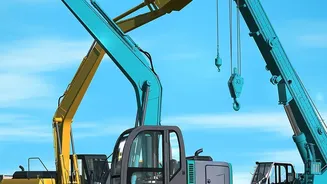
Once land is acquired and clearances are in hand, the focus shifts to the contractors tasked with building the roads. Here, a new set of problems can emerge. Some contractors may lack the financial stability to see a large-scale project through, while others may be guilty of poor performance and slow execution. In response, the government has become stricter, penalising or blacklisting over 100 contractors in recent years for poor quality work and delays. Union Minister Nitin Gadkari has publicly expressed frustration over these execution gaps, vowing to take strict action against underperforming firms and officials. Penalties amounting to crores have been imposed, though recovery of these fines is an ongoing process.
The Economic and Social Cost of Delays
These delays are not just numbers on a government report; they have tangible consequences for the economy and daily life. Each delay contributes to cost overruns, meaning taxpayers ultimately pay more for the same infrastructure. Economically, poor infrastructure is estimated to reduce India’s GDP growth by 1-2% annually. For businesses, it means higher logistics costs and slower movement of goods, which can weaken export competitiveness. For the average citizen, it translates to more time stuck in traffic, increased pollution, and the frustration of waiting for the promised convenience of a modern highway network.