






Beyond Medical Treatment
Acute medical care, like surgery or medication, is designed to save lives and stabilise health conditions. However, it doesn't always prepare you for the challenges of returning home. Simple tasks that were once second nature—like climbing stairs, cooking
a meal, or even getting dressed—can suddenly feel overwhelming. This gap between being medically stable and being fully functional is where many people feel uncertain and vulnerable. Rehabilitation is a specialised form of healthcare designed to address this very issue. It is a structured, goal-oriented process that helps you get back, keep, or improve the physical, mental, and cognitive abilities you need for daily living. It’s not just about healing from an injury; it's about actively rebuilding your life and confidence.
The Pillars of Recovery
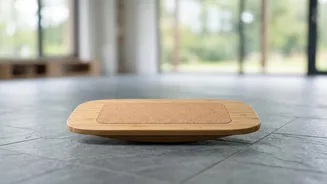
Rehabilitation is not a one-size-fits-all approach. It is a collaborative effort involving different types of therapy that work together to provide comprehensive care. The three main pillars are physical, occupational, and speech therapy. Physical therapy (PT) focuses on restoring movement, strength, and balance. A physical therapist will guide you through exercises and stretches to improve mobility, manage pain, and help you walk or move with confidence again. Occupational therapy (OT), on the other hand, helps you regain the skills needed for the “occupations” of daily life. This includes everything from self-care tasks like bathing and eating to more complex activities like managing household chores or returning to work. An occupational therapist might teach you new ways to perform tasks or recommend adaptive equipment to make your environment safer and more manageable. Speech therapy addresses challenges with communication and swallowing, which can be affected by conditions like a stroke or brain injury. Together, these therapies form a holistic plan tailored to your personal goals.
Reclaiming Your Daily Routine
The true success of rehabilitation is measured in the small victories of everyday life. It’s about being able to cook your favourite meal without assistance, play with your grandchildren, or return to a hobby you love. For someone recovering from a joint replacement, it might mean learning to navigate their home safely to prevent falls. For a stroke survivor, it could involve relearning how to button a shirt or use a fork. These practical achievements are the building blocks of independence. By focusing on real-world activities, rehabilitation helps restore not just physical function but also a sense of normalcy and control. This process also builds confidence, as fear of movement or re-injury can be a major barrier to recovery. Guided by professionals, you learn to trust your body again and safely push your limits.
A Personalized and Forward-Looking Approach
Modern rehabilitation is a proactive and personalized journey. Therapists work with you to set meaningful goals, whether that’s walking a certain distance or being able to drive again. This personalized approach ensures that the therapy is directly relevant to your life and what you want to achieve. The benefits extend beyond the immediate recovery period. Rehabilitation equips you with strategies for long-term health, helping to prevent future injuries and manage chronic conditions. Studies have shown that structured rehabilitation programs can reduce hospital readmissions and lead to a higher quality of life long after the program ends. In India, where there is a growing recognition of the need for care beyond the hospital, transitional and home-based rehabilitation services are becoming increasingly vital. They help optimize recovery while also easing the burden on hospital infrastructure.