







The 'Natural' Doesn't Mean 'Safe' Myth
There's a common belief that if an ingredient is natural, it must be gentle and safe for your skin. Unfortunately, this is a dangerous misconception. Plants produce potent chemicals to defend themselves, and these compounds can be powerful and sometimes
harsh. Everything in skincare is chemistry, and ingredients from your kitchen are no exception. Lemon juice is highly acidic and can disrupt your skin's protective barrier, while other popular ingredients can cause anything from mild irritation to serious reactions. Your unique skin may react differently than someone else's, which is why assuming a 'natural' mix is universally safe can lead to trouble.
Common Kitchen Culprits and Their Risks
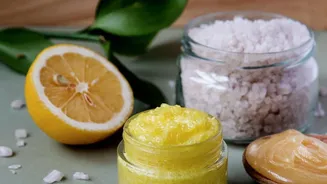
Many popular DIY brightening ingredients come with hidden risks. Lemon and lime juice are prime examples. They contain chemicals called furanocoumarins which, when exposed to sunlight, can trigger a painful, burn-like reaction called phytophotodermatitis. This can leave you with blisters and long-lasting dark patches—the exact opposite of your brightening goals. Turmeric, while lauded for its anti-inflammatory properties, can cause yellow staining and, for some, contact dermatitis, leading to redness, swelling, and itchiness. Other ingredients like apple cider vinegar can be overly acidic, and coarse scrubs made from sugar or coffee grounds can create micro-tears in the skin, weakening its barrier and inviting inflammation.
What Exactly Is a Patch Test?
A patch test is a simple method of applying a small amount of a new product to a discreet area of your skin to check for a negative reaction before you apply it all over your face or body. Think of it as a dress rehearsal for your skin. It helps you predict if a product is likely to cause irritation or a full-blown allergic reaction, known as allergic contact dermatitis. Performing this test is a crucial safety measure that can save you from days or even weeks of uncomfortable and visible skin inflammation.
How to Perform a Patch Test Correctly
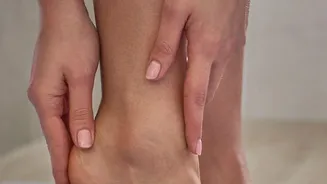
Performing a patch test is easy and requires no special equipment. Following a few simple steps can provide invaluable information about how your skin will tolerate a new mix. First, prepare your homemade concoction exactly as you intend to use it. Then, the American Academy of Dermatology recommends applying the product to a small, quarter-sized test spot. Good locations are areas where the product won't be easily rubbed or washed off, like the underside of your arm, the bend of your elbow, or just behind your ear. Apply the mixture and leave it on for the same amount of time you would for a full application. For a face mask, this might be 20 minutes; for a leave-on product, you'd let it sit. You should repeat this test twice daily for 7 to 10 days to check for delayed reactions.
Reading the Signs: What to Look For
During the testing period, you need to monitor the area for any signs of distress. A negative reaction can manifest in several ways. Look for redness, swelling, burning, intense itching, hives, or the formation of small bumps or blisters. These are signs of contact dermatitis, an inflammatory skin condition indicating that your skin is reacting poorly to one or more ingredients. It’s important to note that a reaction might not appear immediately; some can take 24 to 72 hours or even longer to develop, which is why a multi-day test is recommended. If you notice any of these symptoms, wash the area immediately and discontinue use.
If You Have a Reaction
If the patch test reveals a sensitivity, the first step is to gently wash the product off the affected area with mild soap and water. You can apply a cool compress to help soothe the immediate burning or itching. Follow up with a simple, fragrance-free moisturiser to help calm the skin. If your symptoms are severe—involving significant blistering, swelling, or pain—or if the reaction doesn't improve after a day or two, it is best to consult a doctor or a board-certified dermatologist for guidance. They can help manage the reaction and may perform further tests to identify the specific allergen.