




The Visa Situation: Easier Than You Think
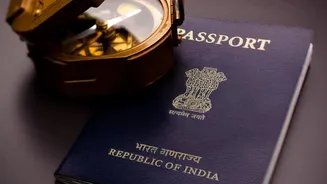
For Indian passport holders, getting into Uzbekistan is straightforward. The most common route is the e-visa, which you can apply for online. The process typically takes a few working days, costs around $20 USD, and grants a 30-day stay. You'll need a digital
copy of your passport and a recent photograph. In a significant new development from September 2026, Indian citizens who hold valid multiple-entry visas from countries like the USA, UK, Canada, or Schengen states may be able to enter Uzbekistan visa-free for up to 30 days, provided they have a confirmed return ticket. However, it's crucial to verify this rule's implementation before you travel. A visa on arrival is generally not an option for Indian travellers.
Getting There: Direct Flights Are Key
Connectivity between India and Uzbekistan has improved dramatically. Direct flights are the best option, saving time and hassle. Uzbekistan Airways, IndiGo, and the newer Centrum Air operate regular direct flights from Delhi to Tashkent, with a flight time of about three to four hours. Recently, Centrum Air also launched direct flights from Hyderabad to Tashkent, expanding options for travellers from South India. Round-trip fares can range from ₹20,000 to ₹35,000 if booked a couple of months in advance, though prices can increase during peak seasons. Travellers from other cities like Mumbai or Bengaluru will likely have a layover, often in Dubai or Istanbul.
Budget and Money: What to Really Expect
Uzbekistan is remarkably affordable. A comfortable 8 to 10-day trip can cost between ₹50,000 and ₹80,000 per person, including flights. On the ground, budget travellers can manage on ₹500-800 per day for food, with a delicious plate of Plov costing as little as ₹150. Accommodation is also well-priced, with clean guesthouses and boutique hotels available for ₹1,200 to ₹2,500 per night. The local currency is the Uzbekistani soʻm (UZS). While credit cards (mainly Visa and Mastercard) are accepted in larger hotels and restaurants in cities like Tashkent, cash is essential for everything else, including markets, taxis, and smaller towns. It's best to carry US dollars to exchange at official counters or withdraw soʻm from ATMs, which are available in major cities. Using unofficial street money changers is illegal.
Safety and Culture: A Welcoming Environment
Uzbekistan is widely considered a safe country for tourists, including solo female travellers, with low rates of violent crime. Tourist police are a common sight in major hubs, and locals are generally welcoming. However, standard precautions apply: avoid isolated areas at night, use official ride-hailing apps like Yandex Taxi, and always be aware of your surroundings. When it comes to dress code, modesty is appreciated. For both men and women, this means keeping shoulders and knees covered, especially when visiting mosques and other religious sites. Loose, breathable fabrics like cotton and linen are perfect for the climate. You'll see locals dress conservatively, and respecting this cultural norm is a sign of courtesy.
On The Ground: Registration and Getting Around
A crucial rule for all tourists is registration. If you stay in the country for more than three days, you must register with the local authorities. Hotels and official guesthouses handle this automatically, providing you with a small registration slip for each night's stay. It is vital to keep these slips, as they may be checked by immigration officials when you depart. Getting between the main tourist cities of Tashkent, Samarkand, and Bukhara is easy thanks to the 'Afrosiyob' bullet train. It's fast, comfortable, and affordable, with tickets costing between ₹800 and ₹2,000. It's recommended to book these train tickets in advance, especially during peak season.