




The Vibe: Community Party vs. Solo Glide
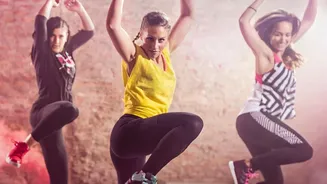
The core difference between Zumba and roller skating lies in their atmosphere. Zumba is a structured, group fitness class built around Latin and international music. The vibe is infectious and social; you're part of a collective moving to the beat, guided
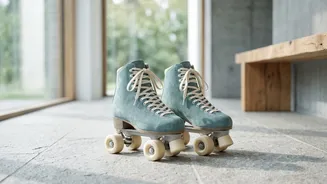
by an instructor. It’s perfect for those who thrive on shared energy and find motivation in a party-like setting. You don't need to be a great dancer, just willing to move and follow along. Roller skating, on the other hand, offers a sense of individual freedom. While you can skate with friends or at a social rink, the fundamental experience is about you and the wheels. It’s about finding your own rhythm and flow, whether you're dancing on skates outdoors or cruising along a paved trail. This makes it ideal for those who prefer a more meditative or self-directed workout, allowing you to get lost in the repetitive, smooth motion.
The Workout: Muscle Engagement and Core Strength
Both activities provide an excellent aerobic workout, but they target muscles in slightly different ways. Zumba is a full-body workout that engages your legs, glutes, and especially your core. The constant hip movements, twists, and dance steps like lunges and squats work the abdominals, hamstrings, and quads. While standard Zumba is less focused on arms, specialized classes like Zumba Toning incorporate light weights to work the upper body. Roller skating is a powerhouse for the lower body and core. It intensely targets the glutes (maximus and medius), quads, and hamstrings with every push and glide. The outward push of the skate is particularly effective for activating hip abductors. Moreover, the constant need to maintain balance provides a serious challenge for your core muscles, including your abs and lower back, which work to keep you stable and upright on an unstable surface.
Calorie Burn: A Head-to-Head Comparison
When it comes to burning calories, both are highly effective, but the final count depends on intensity, duration, and your body weight. A typical hour-long, high-intensity Zumba class can burn between 300 and 900 calories. One study found that participants burned an average of 369 calories in a 39-minute class, which is more than cardio kickboxing or step aerobics in the same time frame. Roller skating's calorie burn is also significant. An hour of moderate roller skating can burn around 300 to 400 calories for a 70kg person. If you increase the intensity to a vigorous pace, like skating at 10 mph, you could burn up to 600 calories per hour. While some high-impact activities like running may burn slightly more calories per minute, roller skating offers a low-impact alternative that is much gentler on the joints.
Accessibility, Cost, and Injury Risk
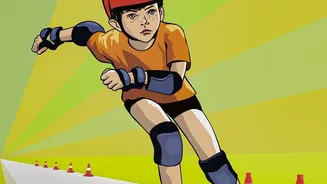
Getting started with Zumba is relatively straightforward. Classes are widely available at gyms and community centers, and there are countless online options if you prefer to dance at home. The main cost is the class fee or gym membership. In terms of injury, Zumba is considered moderate impact. Common injuries are often related to the twisting and side-to-side movements, with knees, ankles, and shoulders being the most affected areas, especially if form is incorrect or classes are too frequent. Roller skating requires an initial investment in a pair of skates and protective gear like a helmet and wrist guards. You also need access to a safe, smooth surface like a park, paved trail, or skating rink. Skating is celebrated as a low-impact exercise, meaning it’s easier on your joints than activities like running. However, the risk of falling is higher, especially for beginners. Common injuries include scrapes, sprains, and fractures, particularly to the wrist, making safety equipment essential.