





Why a Gentle Transition Is Crucial
After a period of not eating, your digestive system slows down. Your body reduces the production of the enzymes needed to break down food. Rushing back into large, heavy meals can overwhelm your system, leading to uncomfortable bloating, gas, stomach
cramps, and blood sugar spikes. For those completing longer fasts (over 48-72 hours), a careful reintroduction is even more critical to prevent a serious condition known as refeeding syndrome. This is a potentially dangerous shift in fluids and electrolytes that can occur when nutrition is reintroduced too quickly after a period of undernutrition. The guiding principle is always to start low and go slow.
The Best Foods to Break a Fast
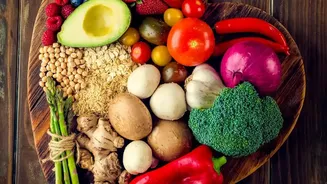
Your first meal should be small, nutrient-dense, and easy to digest. Think of it as waking up your digestive system, not shocking it. Good options include: Bone Broth: It's hydrating, rich in electrolytes, and very gentle on the gut. It prepares the digestive system without overwhelming it. Soups: Lighter soups with well-cooked vegetables and perhaps some lentils or beans provide hydration and gentle nutrients. Cooked Vegetables: Steamed or roasted non-starchy vegetables like zucchini, spinach, and carrots are soft and easier to digest than raw ones. Healthy Fats: Small amounts of avocado or olive oil can provide sustained energy and help reduce inflammation without being too heavy. Fermented Foods: Unsweetened yogurt, kefir, or kimchi can introduce beneficial probiotics to your gut, but start with small portions to see how your body reacts. Lean Protein: In small quantities, easily digestible proteins like fish, tofu, or scrambled eggs are good choices after the initial break-in period.
What to Avoid in Your First Meals
Just as important as what you eat is what you don't eat. Certain foods can be particularly harsh on your system after a fast and should be avoided for the first day or so. Steer clear of: Large, Heavy Meals: This is the most common mistake. Give your body time to adjust with small, frequent meals if needed. Sugary Foods and Drinks: Pastries, sweets, and juices can cause rapid spikes and crashes in blood sugar and may lead to 'dumping syndrome,' where food moves too quickly through your system. Processed and Fried Foods: These are difficult to digest and can cause significant bloating and discomfort. Red Meat: Heavy, fatty meats are taxing on the digestive system. Opt for lighter proteins first. Raw Cruciferous Vegetables: While healthy, vegetables like raw broccoli, cauliflower, and kale can be tough to digest and cause gas. Spicy Foods: These can irritate the stomach lining, especially after it has been resting. * Alcohol: Fasting can increase your sensitivity to alcohol, and it can also dehydrate you and irritate your stomach.
A Sample Reintroduction Plan
How you re-feed depends on the length of your fast. For intermittent fasting (under 24 hours), you may be able to return to normal eating relatively quickly. For longer fasts, a more gradual approach is needed. Hour 1: Begin with hydration. Drink water, and then have a cup of warm bone broth or a very diluted smoothie. Hours 2-3: If you feel good, have a small, easily digestible meal. This could be a couple of scrambled eggs, a small portion of steamed fish with cooked zucchini, or a small bowl of lentil soup. Day 1: Continue with small, simple meals. Focus on cooked vegetables, lean proteins, and healthy fats. Pay close attention to how your body feels. Day 2 and Beyond: You can gradually start to increase your portion sizes and reintroduce more fibrous foods like whole grains and raw vegetables, as long as you feel comfortable. The key is to listen to your body's signals of hunger and fullness.