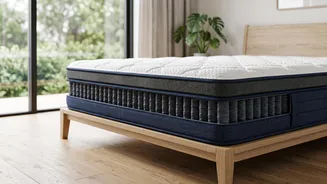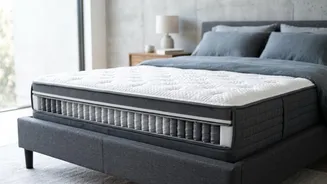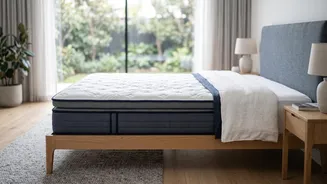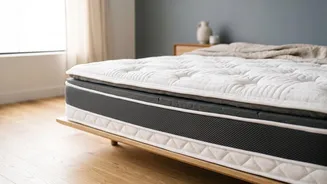







Tossing and turning on an uncomfortable mattress can be frustrating, but the thought of a costly replacement is often worse. Before you commit to a major purchase, there are several effective ways to improve your current bed's comfort.
Add a Quality Mattress Topper
The single most
effective way to transform the feel of your bed is by adding a mattress topper. A topper is a layer of cushioning, typically two to four inches thick, that sits on top of your existing mattress to provide an extra layer of comfort. They come in various materials, each offering a different benefit. Memory foam toppers are excellent for pressure relief, contouring to your body to cushion joints. Latex toppers offer a bouncier, more responsive feel and are often more breathable. There are also feather, wool, or down-alternative toppers for a plush, cloud-like surface. This one addition can soften a mattress that feels too firm or add a comfort layer back to one that has compressed over time.
Inspect Your Bed Base
Often, the mattress gets all the blame when the real culprit is a faulty foundation. A bed frame is not just for show; it provides essential support that prevents your mattress from sagging and wearing out prematurely. Take your mattress off the frame and inspect the base. For slatted frames, look for broken, bowed, or missing slats. The gaps between slats should be no more than about 7-8 cm, as wider spacing can allow the mattress to dip, creating uneven support. If you have a divan or box spring, check for soft spots or areas of compression. Replacing a broken slat or reinforcing the base can dramatically improve how supportive your mattress feels.
Perform Simple Mattress Maintenance
Two simple, free actions can make a world of difference: rotating and flipping. Over time, you create body impressions in the areas where you sleep most. By rotating the mattress 180 degrees from head to foot every three to six months, you can ensure it wears more evenly. Many traditional spring mattresses are also two-sided, meaning you can flip them over entirely. If you haven't done this in a while, flipping it can feel like you have an entirely new sleep surface as it exposes the less-compressed side. Always check if your mattress is labelled as 'no-turn' or 'no-flip' before doing so.
Re-evaluate Your Pillows and Bedding
Your overall sleep comfort is a system, and pillows play a huge role. If your pillow is too high or too flat, it can throw your spine out of alignment, causing neck and back pain that you might mistakenly attribute to your mattress. Strategic pillow placement, such as placing one under your knees for back sleeping or between them for side sleeping, can also alleviate pressure. Additionally, your bedding can affect comfort. Sheets made from breathable materials like cotton or linen can help with temperature regulation, preventing you from sleeping too hot, which is a common complaint with some foam mattresses.
Know When a Topper Isn't Enough
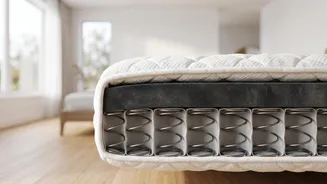
While the tips above can significantly extend the life and comfort of your mattress, they cannot fix fundamental structural damage. A topper can change the 'feel' of a mattress, but it cannot fix the underlying 'support'. If your mattress has a visible sag or dip of more than an inch or two, a topper will simply sink into that dip. Other signs that you truly need a replacement include feeling the springs through the comfort layers, edges that have completely collapsed, or waking up stiff and sore no matter what you do. In these cases, a new mattress is the only long-term solution.