


The First Wave: Coffee for the Masses
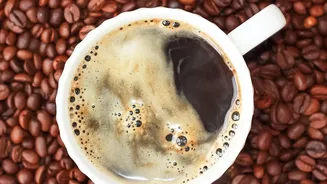
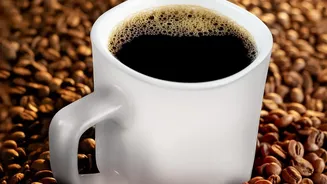
For much of the 20th century, coffee was a commodity, not a craft. The first wave was defined by making coffee accessible and convenient for every household. Think of the large tins of pre-ground coffee that dominated supermarket shelves, from brands
like Folgers and Maxwell House. The main goal was a reliable, affordable caffeine boost. Flavour, origin, and brewing technique were secondary to the pure function of the drink. This era democratised coffee, making it a staple in nearly every American home and a symbol of productivity.
The Second Wave: The Rise of the Café Experience
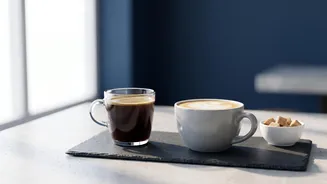
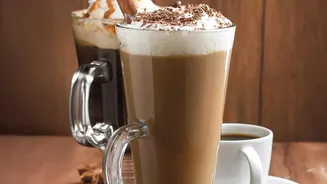
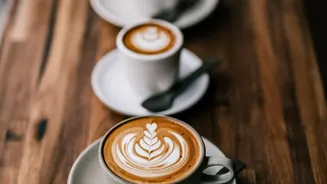
Beginning around the 1970s, the second wave changed not just what we drank, but where we drank it. Giants like Starbucks transformed coffee shops into social hubs—a 'third place' between home and work. The focus shifted from commodity to culture. Suddenly, we were learning a new language: latte, cappuccino, espresso. While the coffee was of better quality than the instant variety, the experience was paramount. This wave introduced the idea of coffee as a social ritual and an affordable luxury, paving the way for a deeper appreciation of the drink itself.
The Third Wave: Coffee as an Artisanal Craft
This is where the so-called 'snobbery' truly begins. The third wave, which gained momentum in the early 2000s, treats coffee with the same reverence as fine wine. It’s a movement focused on appreciating coffee for its intrinsic qualities. This involves an intense focus on origin, processing methods, and precise brewing. The term 'specialty coffee' refers to beans that score highly on a quality scale, and third-wave culture is built around showcasing these exceptional beans. Roasters often prefer lighter roasts to preserve the unique, subtle flavours of a coffee's origin—be it floral, fruity, or earthy—rather than imposing a dark, uniform taste.
Decoding the Menu: Single-Origin vs. Blend
Two key terms in the third-wave lexicon are 'single-origin' and 'blend'. A single-origin coffee comes from a specific farm or region, and its flavour is a direct reflection of that place—its climate, soil, and altitude. It's for the adventurous drinker who wants to taste what makes a particular area unique. A blend, on the other hand, combines coffees from multiple origins to create a balanced and consistent flavour profile. Neither is inherently better; they simply serve different purposes. Blends offer reliability and a familiar taste, while single-origins provide a unique, seasonal experience.
The Great Debate: Appreciation or Pretentiousness?
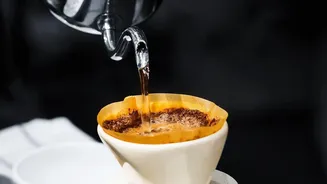
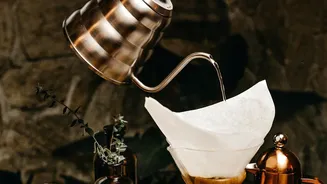
The meticulous focus of the third wave can sometimes feel exclusionary. Complex terminology and specialized equipment, like gooseneck kettles and digital scales for manual pour-overs, can be intimidating. This has sparked a debate: is this culture about a genuine appreciation for quality and ethical sourcing, or is it a form of social posturing? For some, knowing the difference between a washed Kenyan and a natural Ethiopian is a form of 'cultural capital' used to signal superior taste. However, for many producers, roasters, and baristas, the movement is about honouring the immense work that goes into a high-quality cup and creating a more transparent, sustainable supply chain. The line between being a connoisseur and a snob often comes down to attitude—sharing passion versus imposing judgment.