


Why 'One-Size-Fits-All' Fails
We’ve all been told to take a bubble bath or meditate to de-stress. While these can be effective, they aren't universal cures. The reason lies in our autonomic nervous system, which has two main branches. The 'fight or flight' response, governed by the sympathetic
nervous system, floods us with stress hormones like cortisol when we feel threatened. Its counterpart is the 'rest and digest' state, managed by the parasympathetic nervous system (PSNS), which helps the body calm down, conserve energy, and recover. True relaxation is the act of intentionally shifting from fight-or-flight to rest-and-digest. Forcing yourself into an activity you don't like or that doesn’t suit your current state can keep the stress response activated, making relaxation feel like another chore on your to-do list.
The Power of a Purposeful Setting
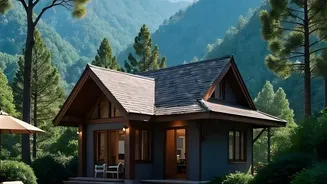
Your environment is more than just a backdrop; it’s an active participant in your ability to unwind. A setting that promotes psychological safety and reduces sensory overload is crucial for allowing your PSNS to take the lead. This doesn't necessarily mean a silent, empty room. For some, a bustling coffee shop provides a comforting, anonymous hum, while for others, the quiet solitude of a forest trail is what’s needed. Consider all your senses. Calming scents like lavender, the warmth of a blanket, or the gentle sound of ambient music can all send signals to your brain that you are safe and can let your guard down. The key is to create an environment that minimizes distractions and stressors, allowing your mind to stop scanning for threats and begin the process of recovery. Without the right setting, even a theoretically relaxing activity can fail to achieve its goal.
Finding Your Ideal Intensity
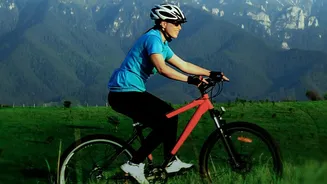
Relaxation isn't always passive. The right intensity level is deeply personal and can change from day to day. We often think of relaxation as inactivity—like watching TV or napping—which is known as passive relaxation. This can provide a temporary distraction, but it often allows stress to linger in the background. Active relaxation, however, involves engaging your mind or body in a focused way. For some people, high-intensity exercise followed by the release of endorphins is the ultimate stress buster, effectively burning off adrenaline and lowering cortisol levels over time. For others, low- to moderate-intensity activities like a gentle walk, yoga, or stretching are more effective at calming the nervous system without causing further strain. The goal is to find an activity that captures your focus and helps your body transition from a state of high alert to one of calm readiness.
The Non-Negotiable Need for Enjoyment
This might be the most overlooked—and most critical—factor. If you don't genuinely enjoy an activity, it will not relax you. In fact, it might do the opposite. Forcing yourself to meditate when you find it frustrating, or going for a run when you despise jogging, can create a sense of internal conflict and failure, which are forms of stress. Enjoyable activities, particularly those that help you enter a 'flow state' where you are fully immersed, are profoundly restorative. This engagement provides a distraction from worries, boosts mood-lifting neurochemicals, and offers a sense of accomplishment. Research shows that leisure activities we find meaningful and engaging are directly linked to lower stress levels, better moods, and improved physical well-being. The activity itself is often less important than the genuine pleasure and satisfaction you derive from it.