


An Ancient Grain for Modern Kitchens
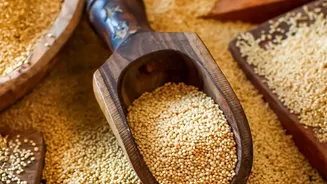
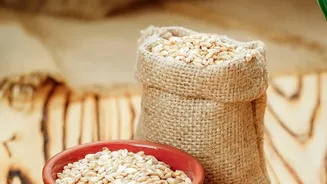
For centuries, finger millet, known across India as ragi, has been a staple food, particularly in the southern states. This humble, hardy grain was traditionally valued for its resilience and nutritional prowess. In recent years, ragi has experienced
a major resurgence, moving from traditional porridge and rotis into the pantries of modern, health-conscious households. It's now celebrated as a 'superfood' for its versatility and impressive health credentials, finding its way into everything from baked goods to breakfast cereals. This revival isn't just about looking back; it's about rediscovering a sustainable and nutrient-dense ingredient that perfectly suits contemporary wellness goals.
The Flavour and Texture Transformation
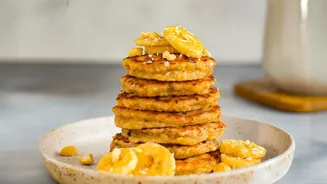
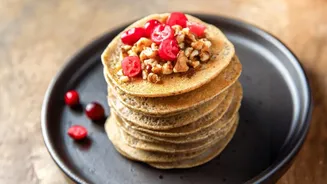
The headline gets it right: the most immediate change when you add ragi flour to your pancake batter is the flavour. It imparts a deep, earthy, and distinctly nutty taste that plain all-purpose flour simply can't replicate. Some even describe it as having notes that pair beautifully with chocolate. This unique taste transforms a simple pancake from a sweet, one-dimensional treat into something more complex and satisfying. The texture also changes; ragi pancakes are often a bit denser and heartier than their wheat-based counterparts, with a pleasant, soft quality. This makes for a more substantial and filling breakfast that feels both indulgent and nourishing.
A Nutritional Powerhouse for Your Plate
Beyond its unique taste, ragi flour packs a serious nutritional punch. It is one of the best plant-based sources of calcium, making it fantastic for bone health. It's also rich in iron, which is essential for combating anaemia, and high in dietary fibre. This high fibre content aids in digestion, promotes a feeling of fullness to help with weight management, and may help in regulating blood sugar levels due to its low glycemic index. Furthermore, ragi is naturally gluten-free, making it an excellent choice for those with celiac disease or gluten sensitivity. Swapping some or all of the refined flour in your pancakes for ragi is an easy way to boost your intake of these vital nutrients.
Tips for Perfect Ragi Pancakes
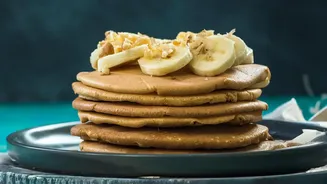
Cooking with ragi flour is simple, but a few tips will ensure your pancakes turn out perfectly every time. First, if you're new to ragi, start by blending it with your regular flour. A 50:50 mix of ragi and whole wheat flour is a great starting point, giving you the flavour and health benefits without an overwhelming texture change. Second, ragi flour is quite 'thirsty' and absorbs more liquid than wheat flour, so you may need to add a splash of extra milk or water to get the right batter consistency. Third, let the batter rest for 5-10 minutes before cooking. This allows the flour to fully hydrate, resulting in a softer pancake. Finally, pair your ragi pancakes with toppings that complement its nutty flavour. Banana, honey, jaggery, and chopped nuts are all excellent choices.
More Than Just Pancakes
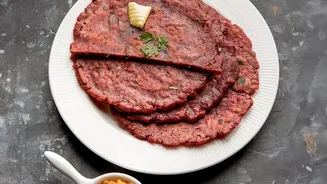
While ragi makes for a fantastic pancake, its versatility doesn't end there. This powerhouse flour is used in a wide array of dishes across India. It can be made into traditional Ragi Mudde (dough balls), savoury dosas, and nourishing porridge. In modern baking, it's being used to create healthier versions of cakes, muffins, cookies, and even brownies, where its earthy notes beautifully complement ingredients like chocolate and jaggery. By keeping a bag of ragi flour in your pantry, you open up a world of possibilities for making your everyday meals more nutritious and flavourful.