





A Pancake Unlike Any Other
At first glance, an appam might look like a delicate, bowl-shaped pancake. It is made from a fermented batter of rice and coconut, cooked in a special curved pan called an appachatti. A deft swirl of the pan creates its signature look: wonderfully crisp,
paper-thin lacy edges that give way to a soft, spongy center. This contrast in textures is a huge part of its appeal. Unlike heavier breakfast options, the appam is famously light and airy, a result of the natural fermentation process that makes the batter rise. The taste is subtly tangy and slightly sweet from the coconut, providing a perfect canvas for its accompaniments.
The Soul Mate: Sweet Coconut Milk
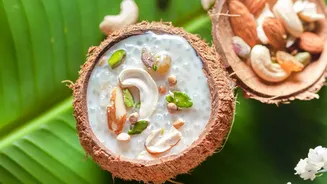
While appam is versatile and pairs beautifully with savory stews and curries, its simplest and perhaps most soulful pairing is with sweetened coconut milk. This isn't just any coconut milk from a can. It’s freshly extracted, then gently sweetened with jaggery and perfumed with a hint of cardamom. This warm, sweet milk, known as 'thengai paal' in Tamil, is poured over the hot appam, seeping into its pillowy center. Each bite is a delightful mix of the appam's fermented tang and the sweet, aromatic richness of the coconut milk. It’s a combination that feels both indulgent and incredibly nourishing, a true gentle treat to start the day.
A Gentle Start to the Day
The description of appam as a 'gentle' breakfast is fitting for several reasons. The fermentation process not only creates its delightful texture but also makes it easier to digest, breaking down starches and enriching it with beneficial probiotics. This makes it easy on the stomach, providing sustained energy without the heaviness associated with many other breakfast foods. For many, a breakfast of appam is a slow, cherished ritual, far from the hurried rush of a typical morning. It’s a meal that encourages you to sit down and savor the moment, a practice of mindfulness before the day's demands begin.
A Dish with Deep Roots
The history of appam is as rich as its flavour. Food historians note that a similar dish is mentioned in ancient Tamil Sangam literature, suggesting its presence in the region for centuries. It's a culinary staple that has been passed down through generations, particularly cherished in the Syrian Christian communities of Kerala and also popular in Sri Lanka, where it's known as a 'hopper'. Though traditionally a breakfast or dinner dish, its lightness makes it a welcome meal at any time of day. Whether served at a festive family gathering or a quiet weekday breakfast, the appam remains a symbol of home-cooked comfort and culinary heritage.
Beyond the Sweet Milk
While the sweet coconut milk pairing is a classic, the versatility of appam is a key part of its enduring popularity. It serves as a perfect vehicle for a wide array of side dishes. In Kerala, it's commonly served with a fragrant vegetable stew, gently spiced with green chillies and ginger and enriched with coconut milk. Other popular pairings include 'kadala curry' (a spicy black chickpea curry), egg roast, or flavourful chicken and mutton curries. Each of these savoury options complements the appam's mild tang, with the soft pancake being perfect for mopping up every last bit of delicious gravy. This adaptability ensures that there's an appam combination to suit every palate.